
COUNTRY BUILDINGS - The Oak Inn & Coach House @ Wigmore
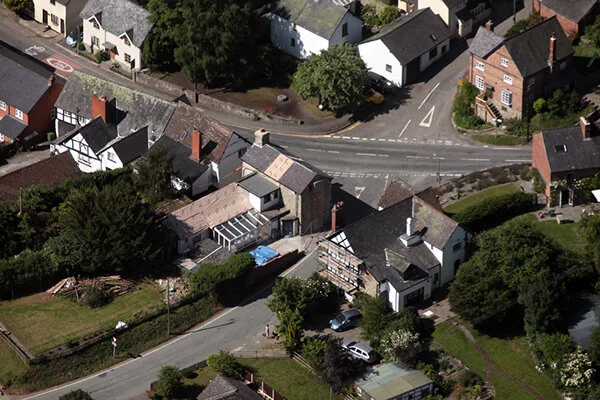
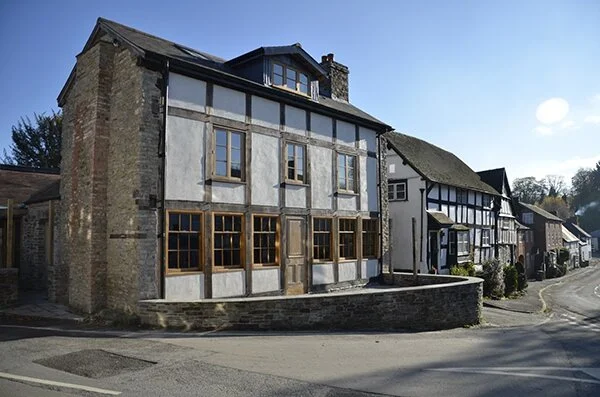
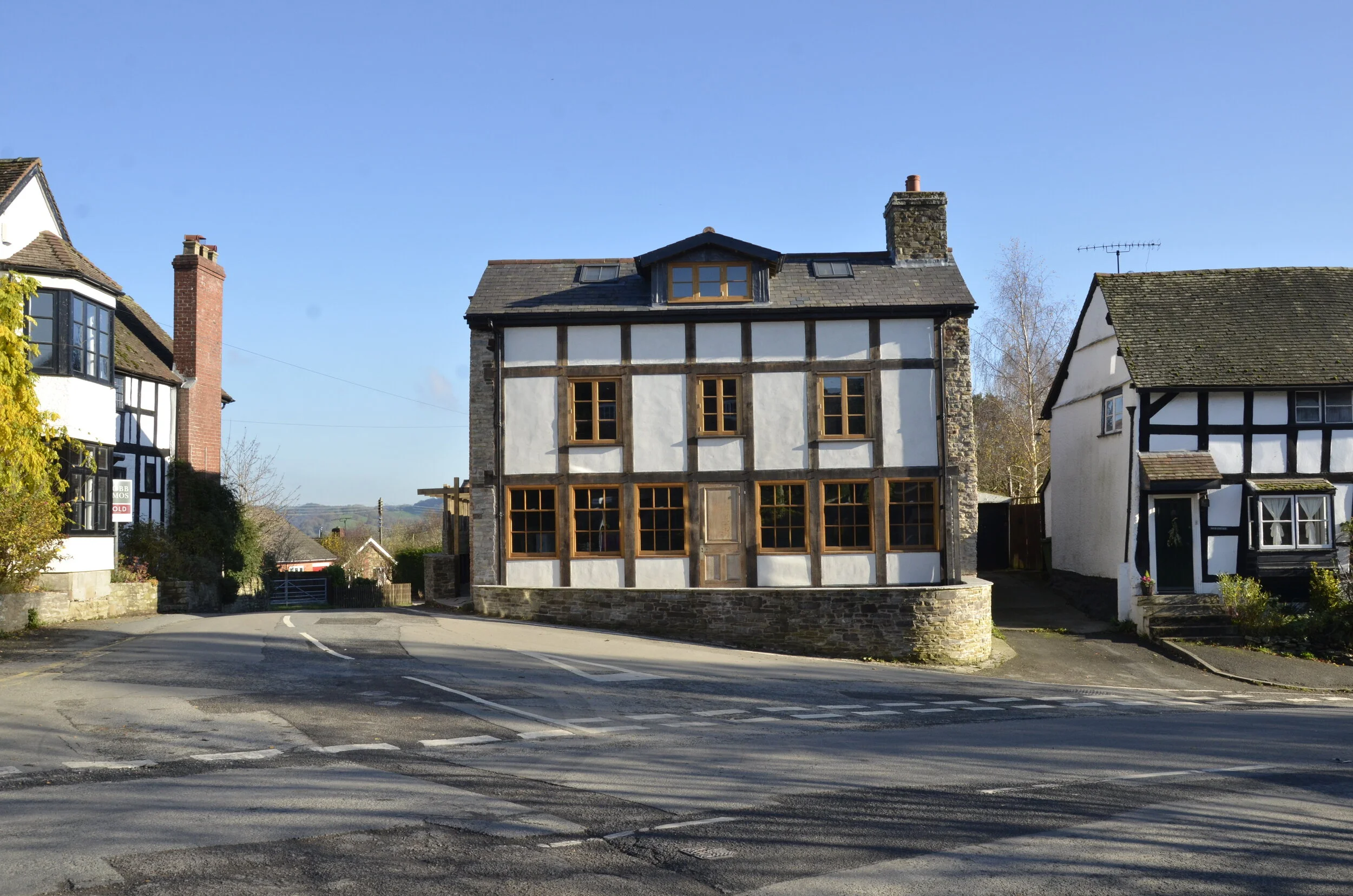
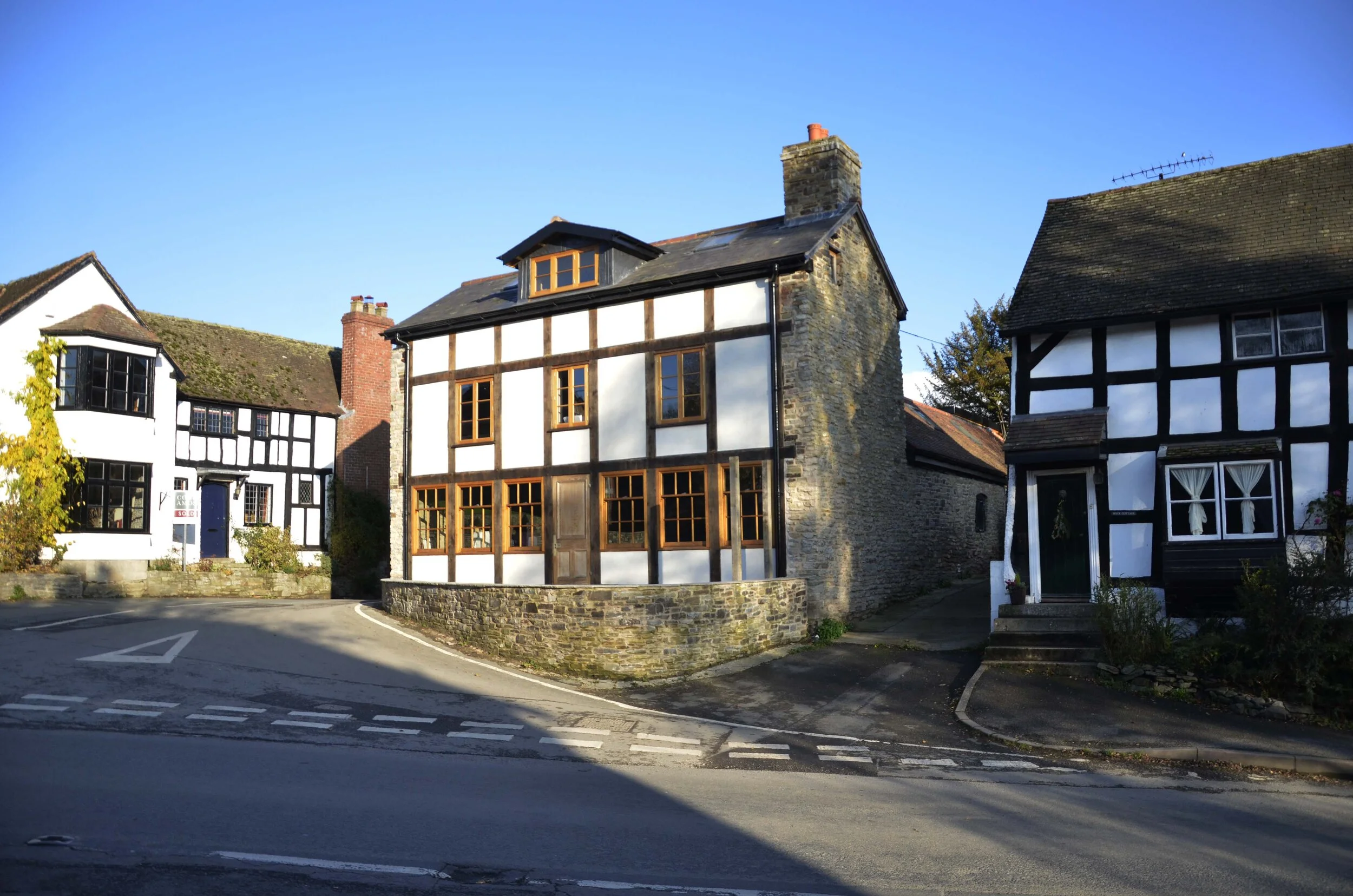
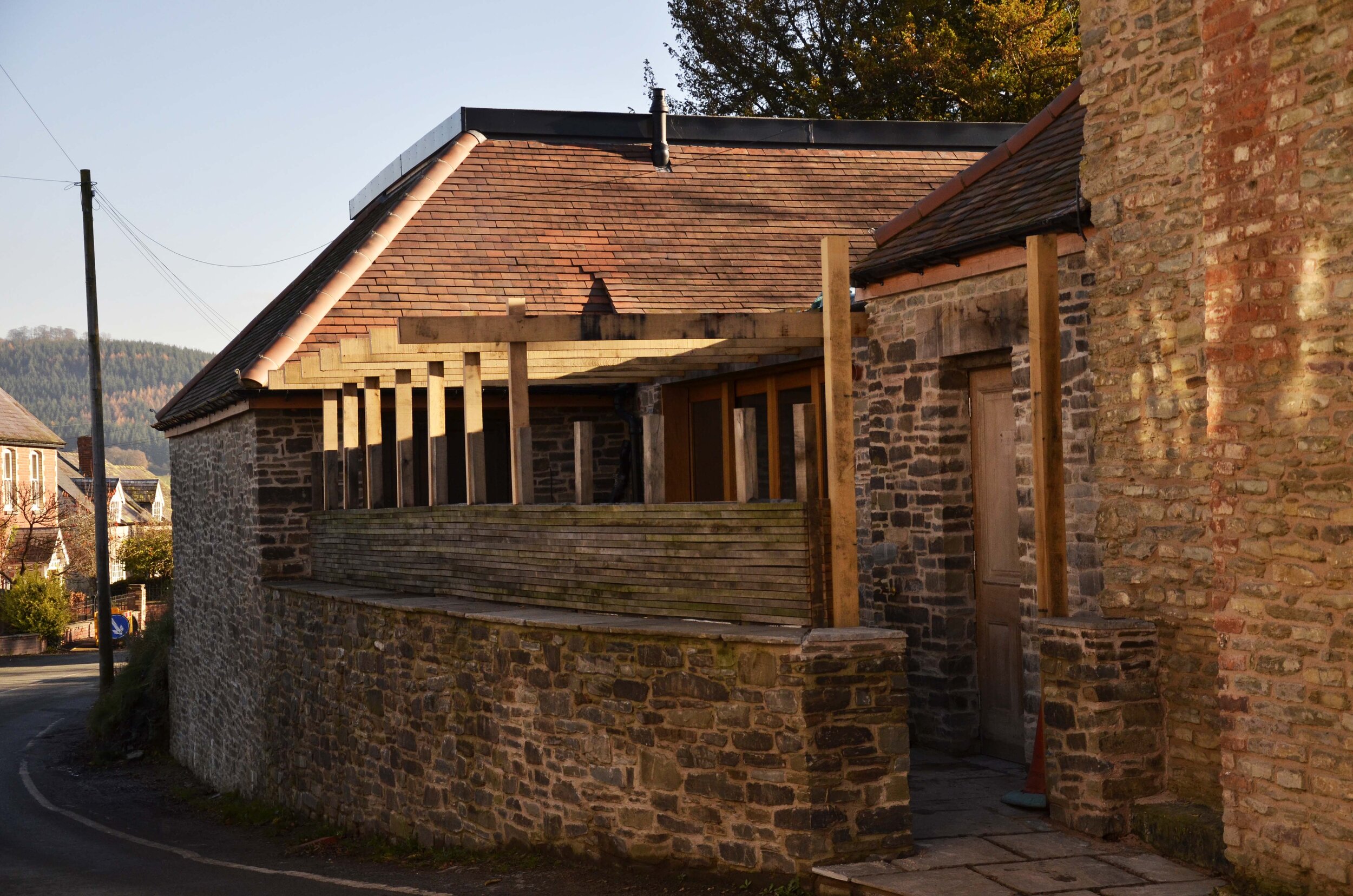

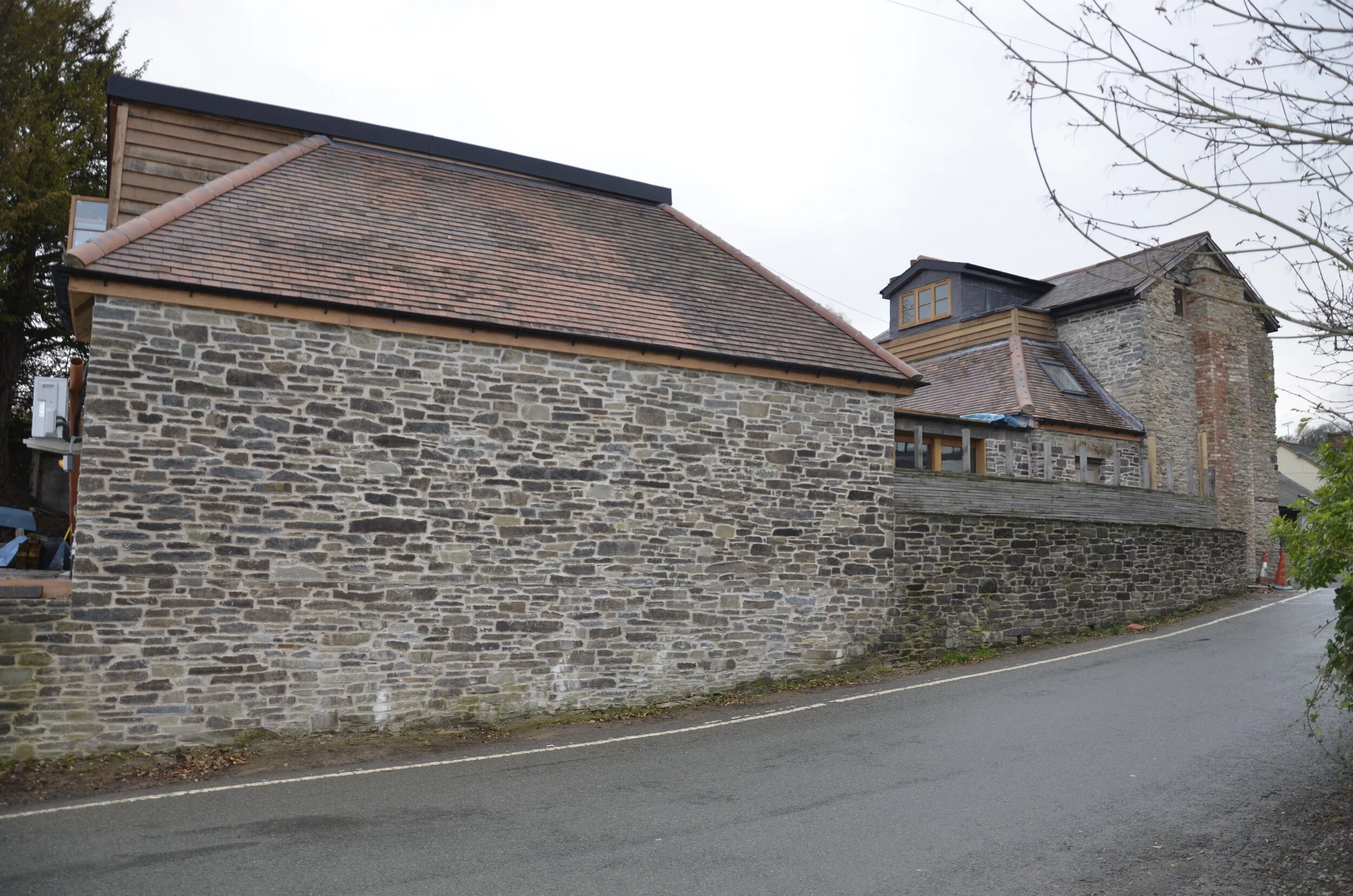
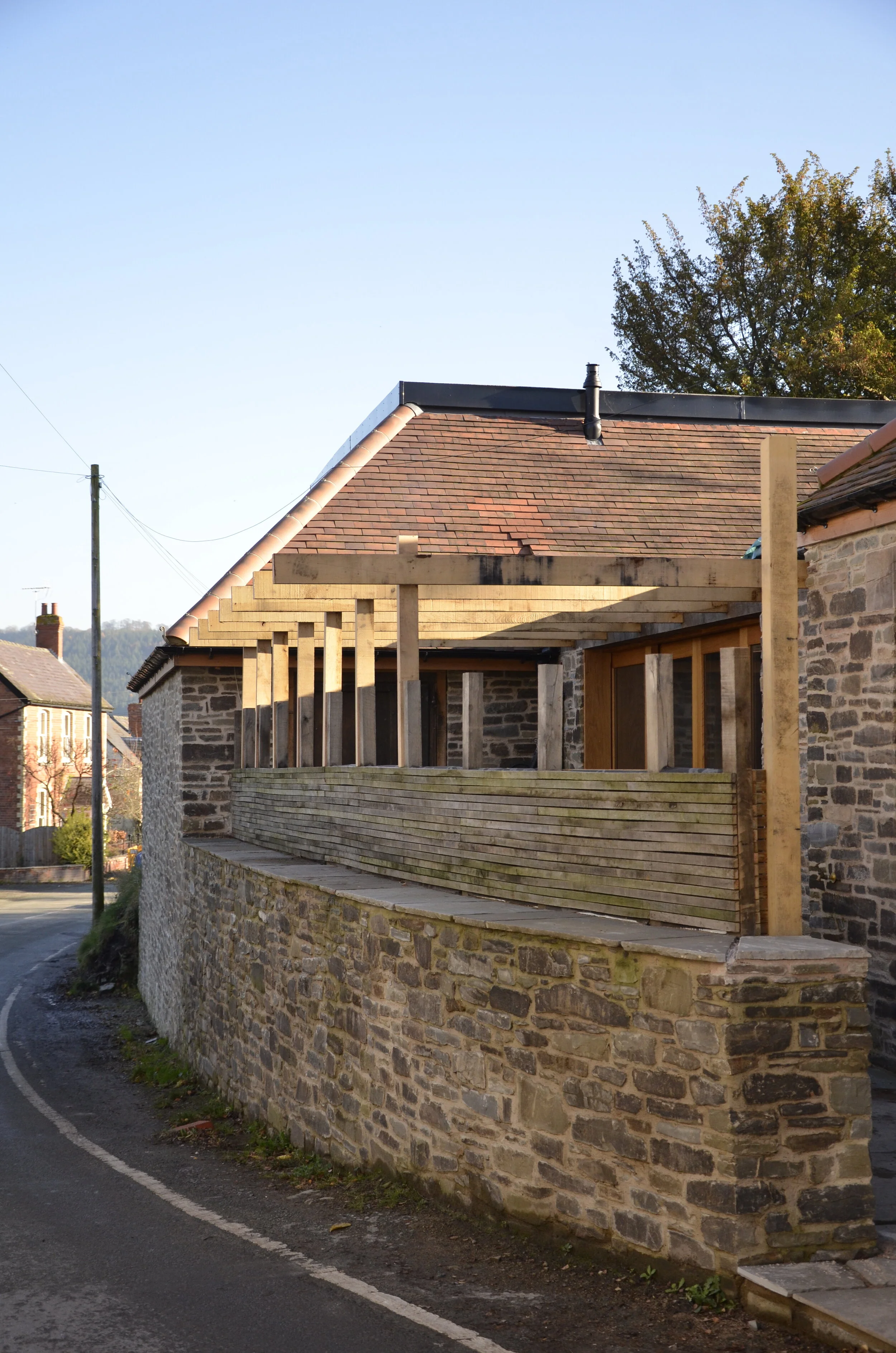



The Oak @ Wigmore
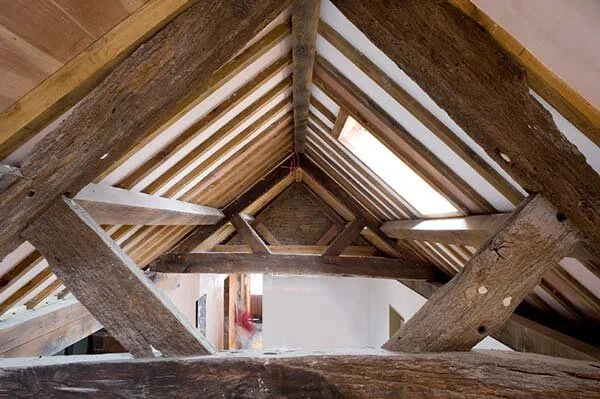
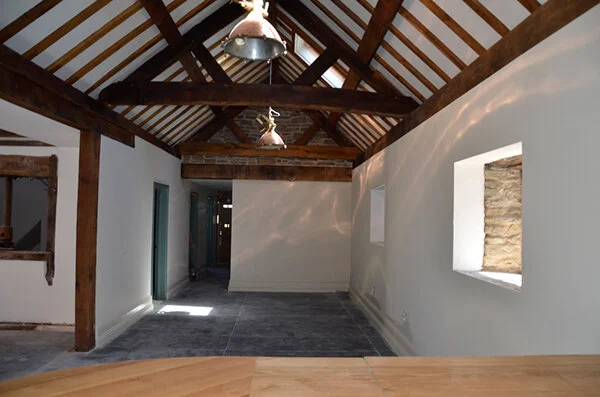
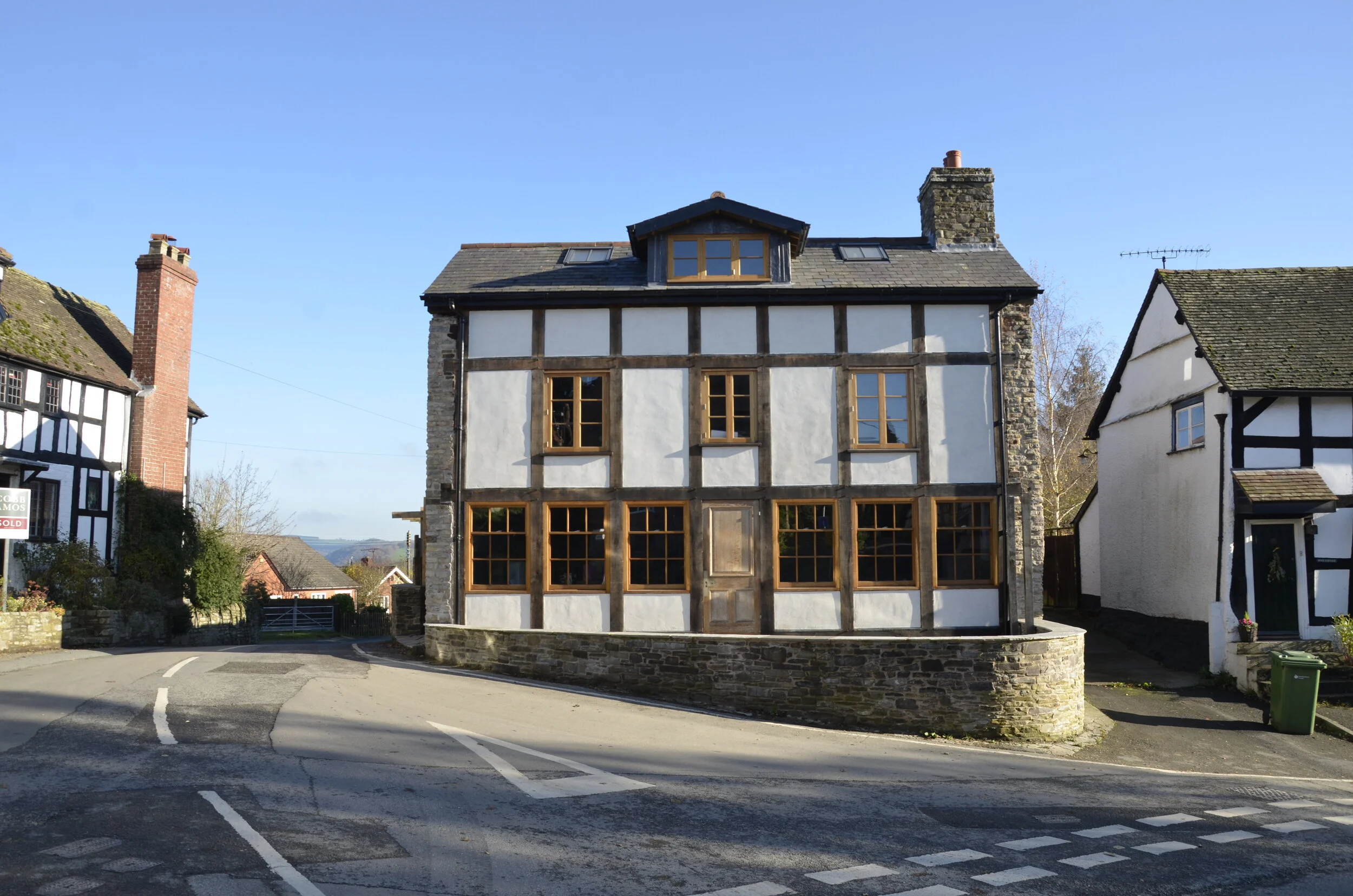
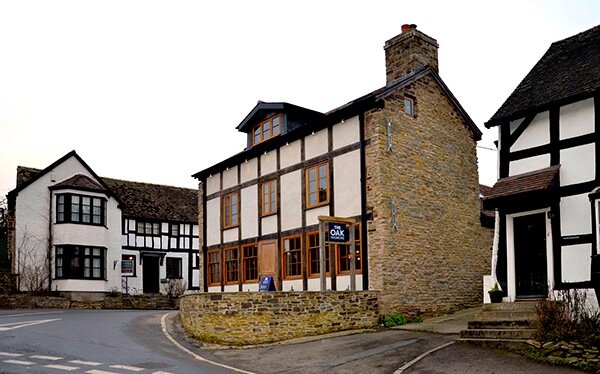
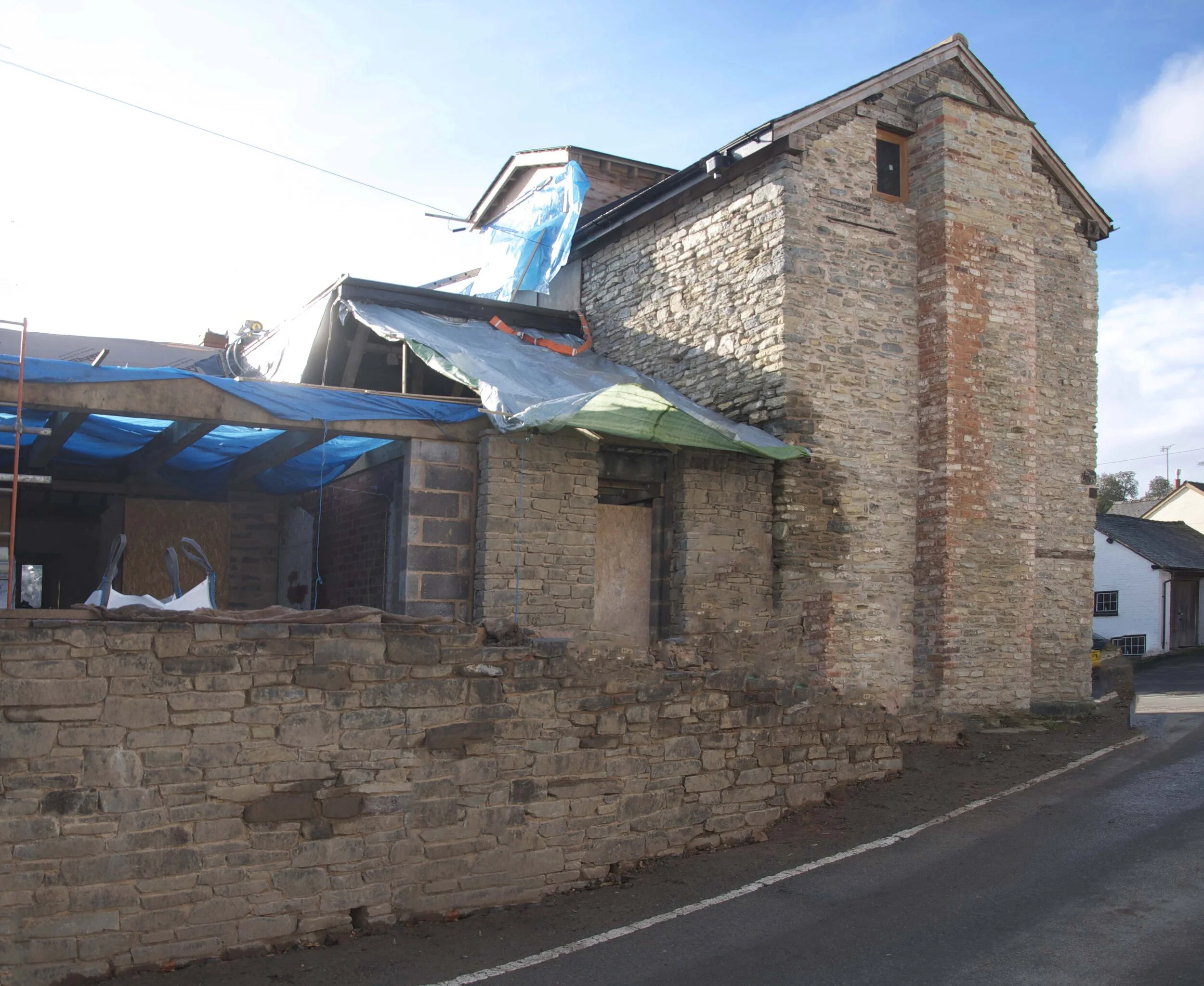
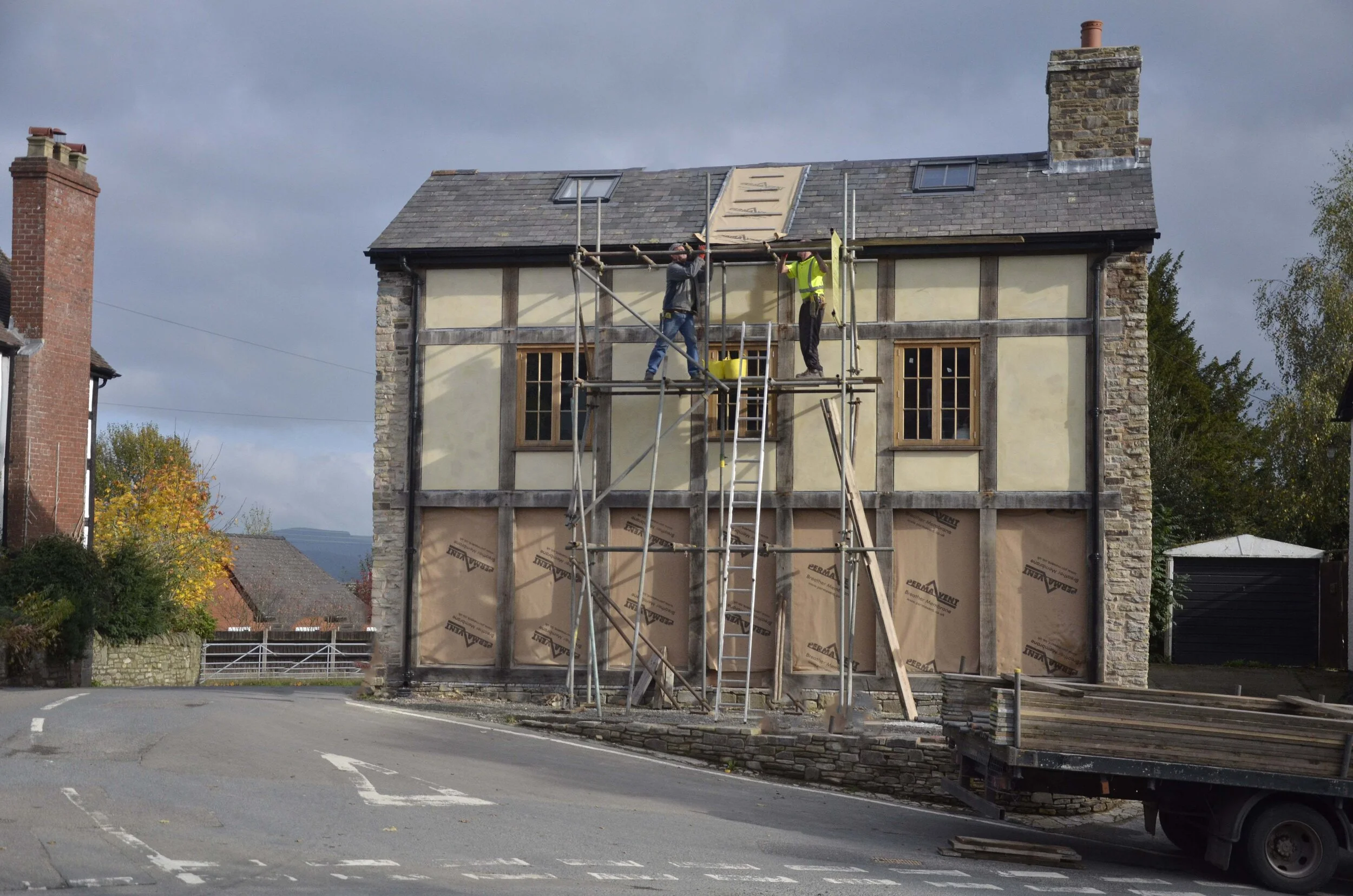
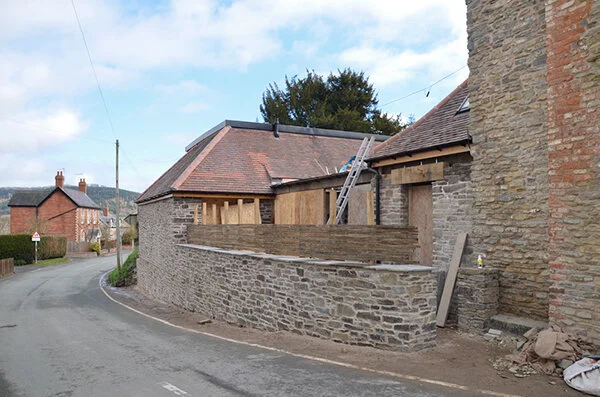
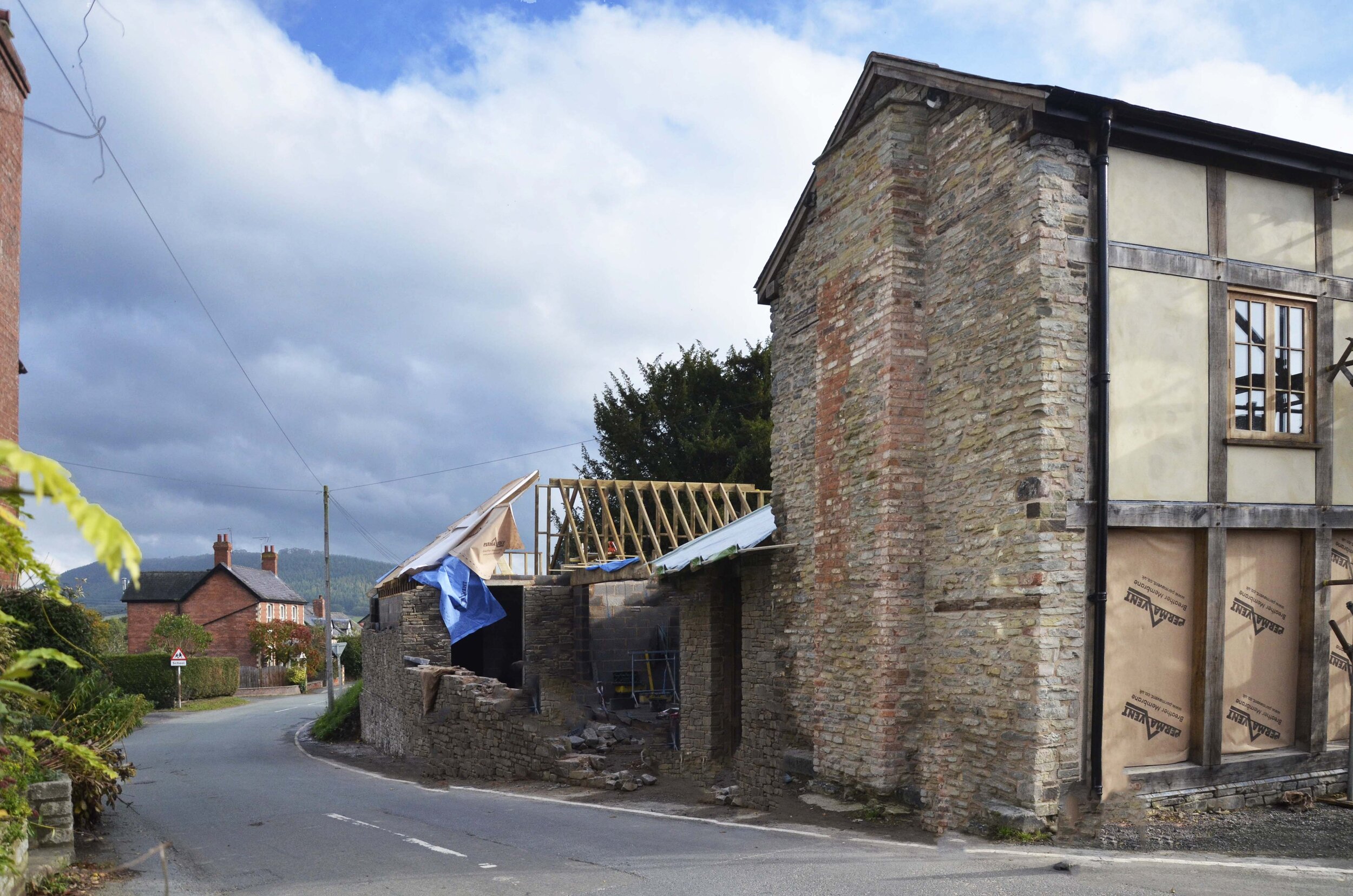
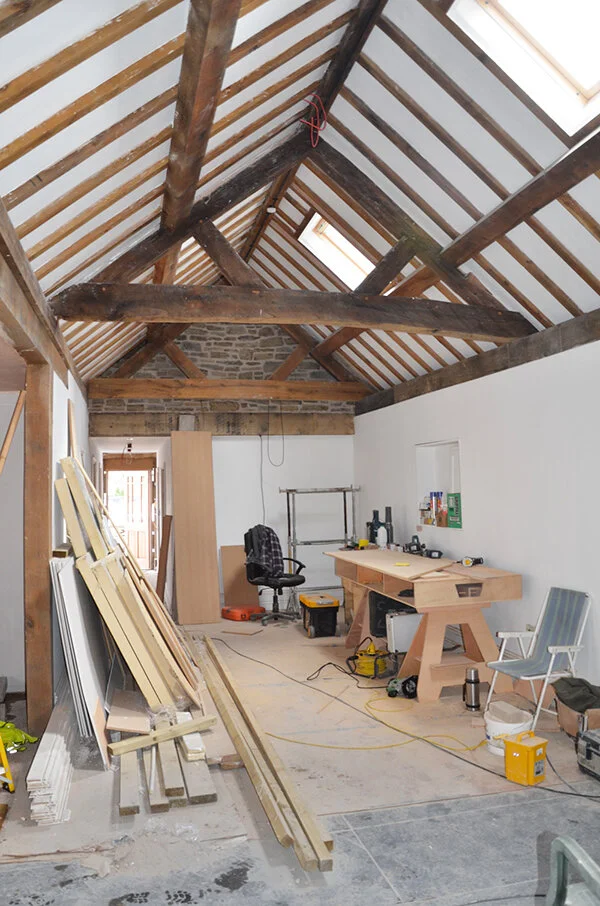
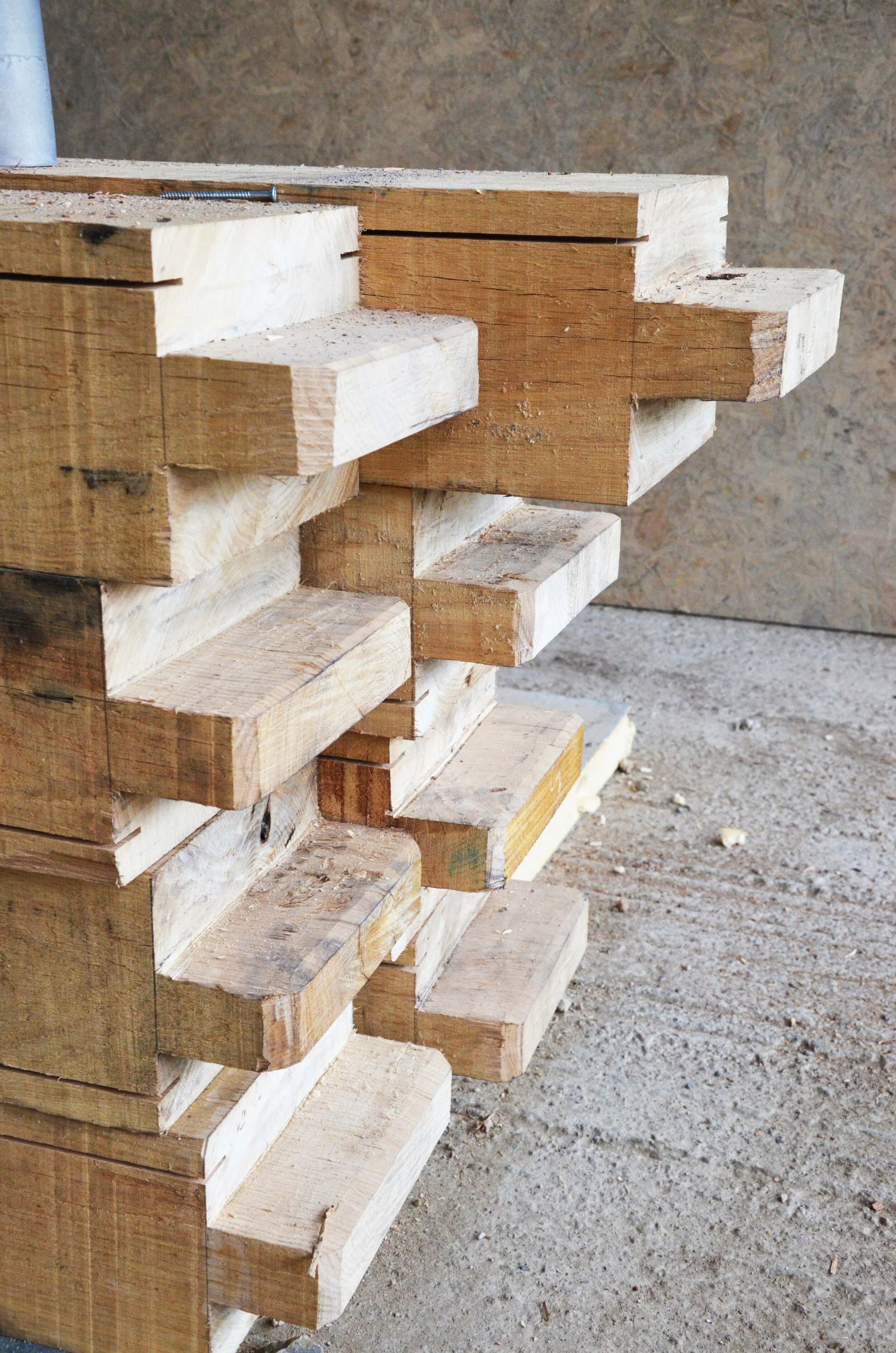
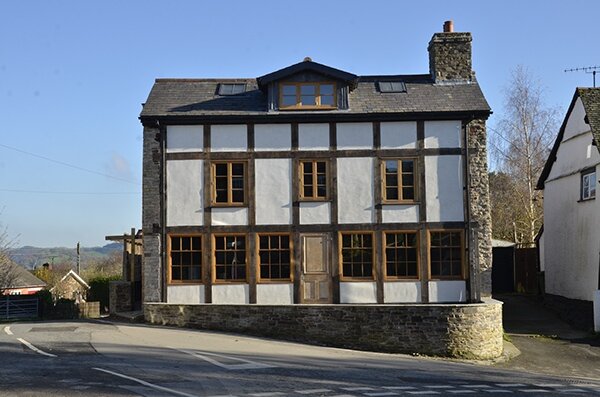
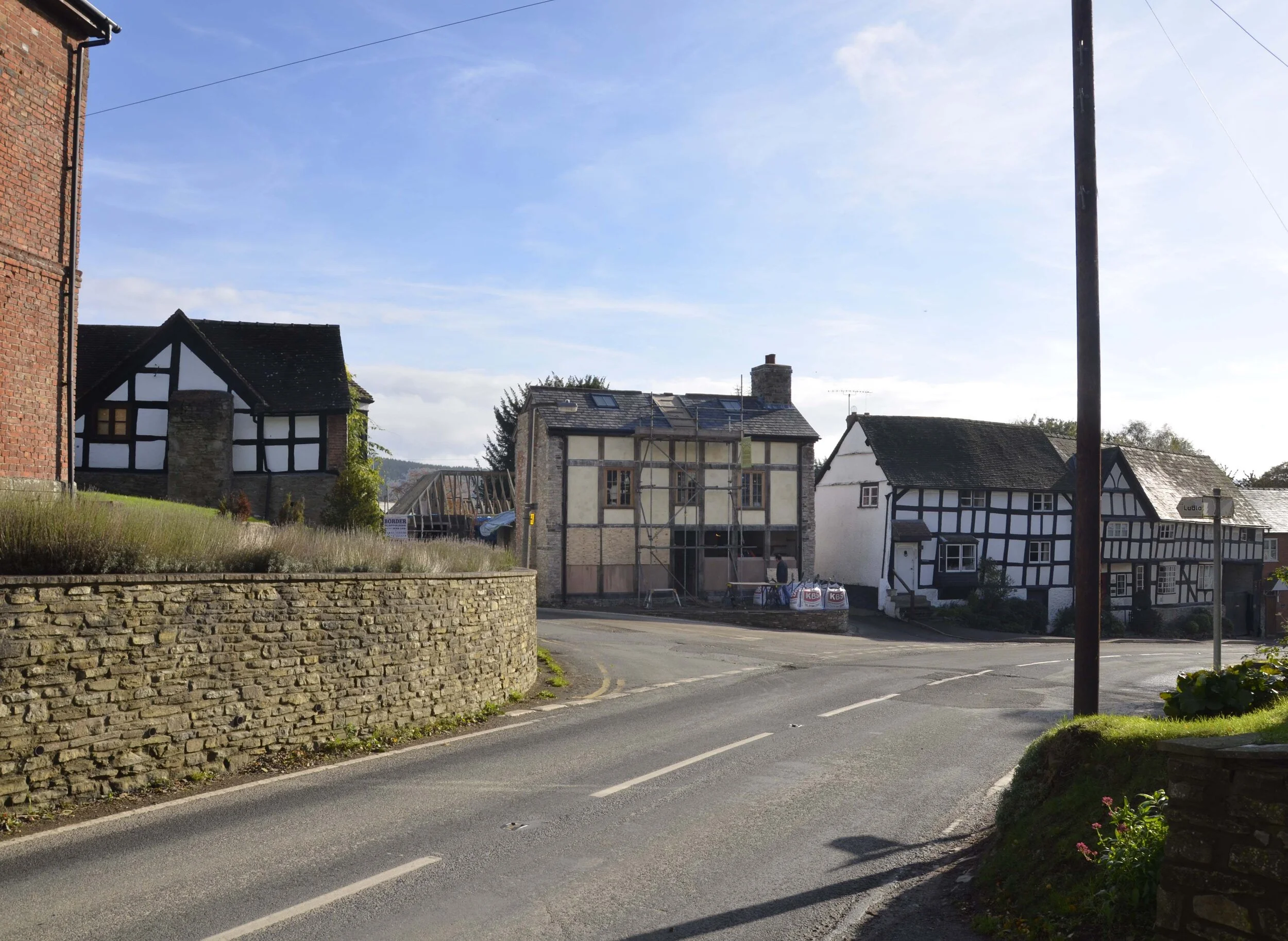
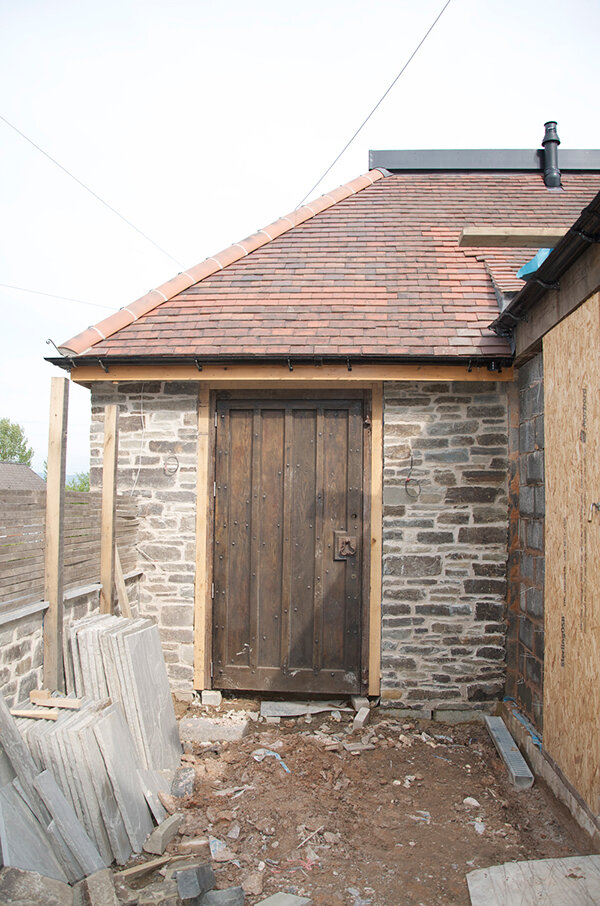
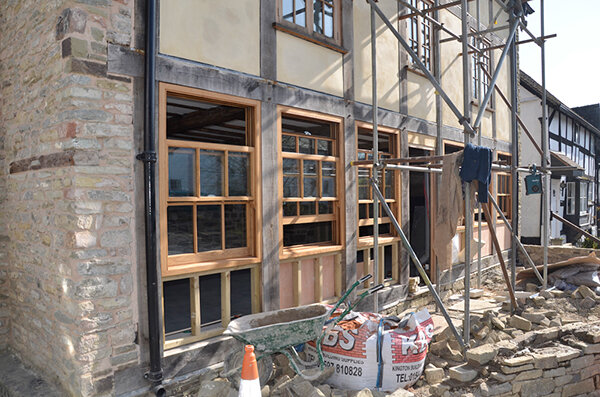
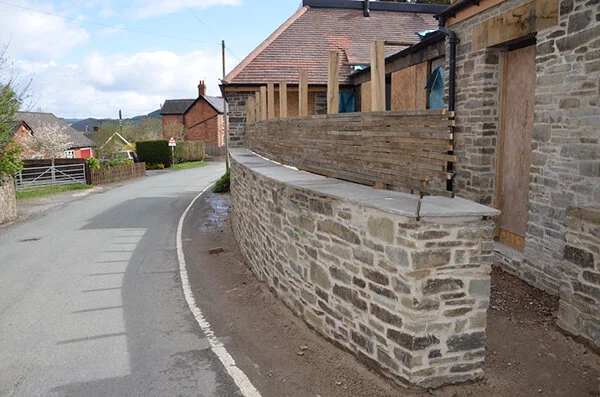
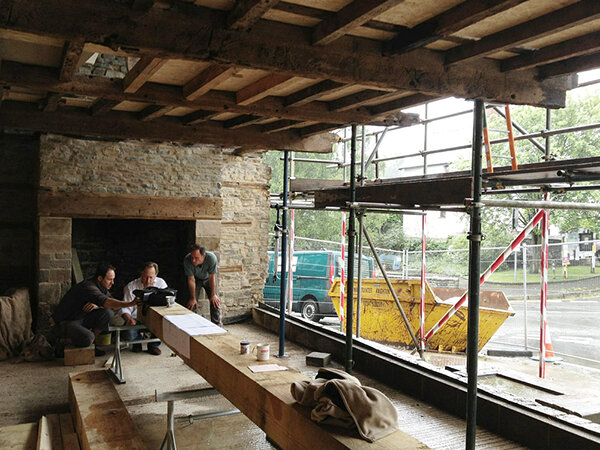
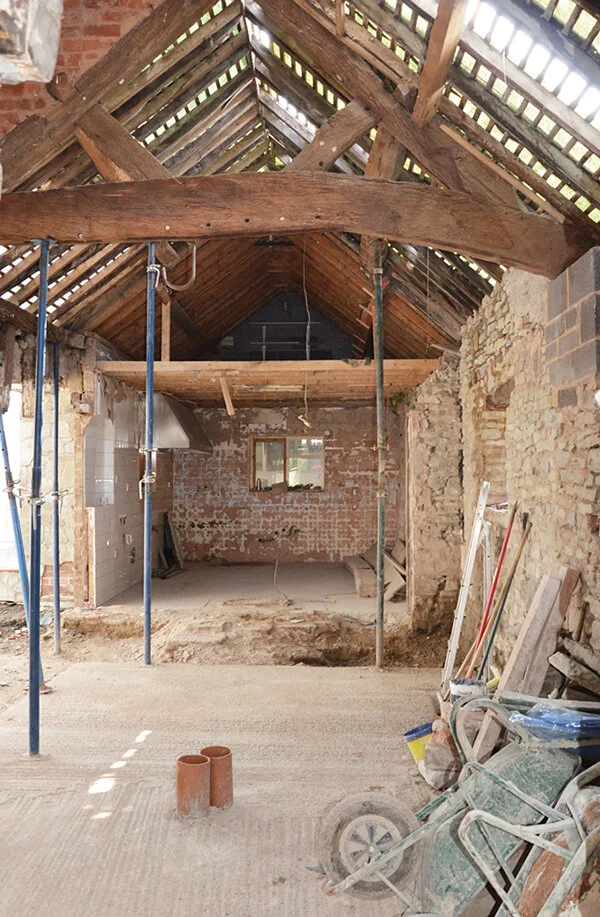
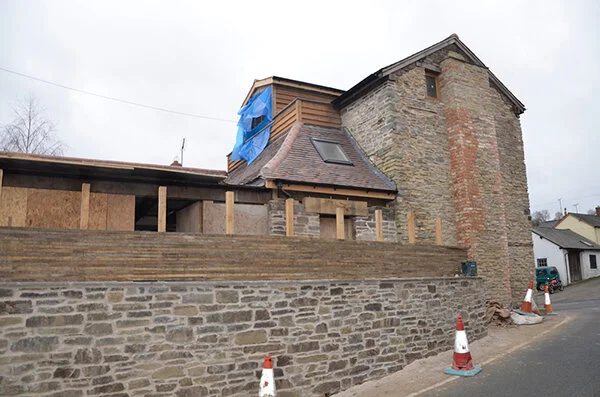
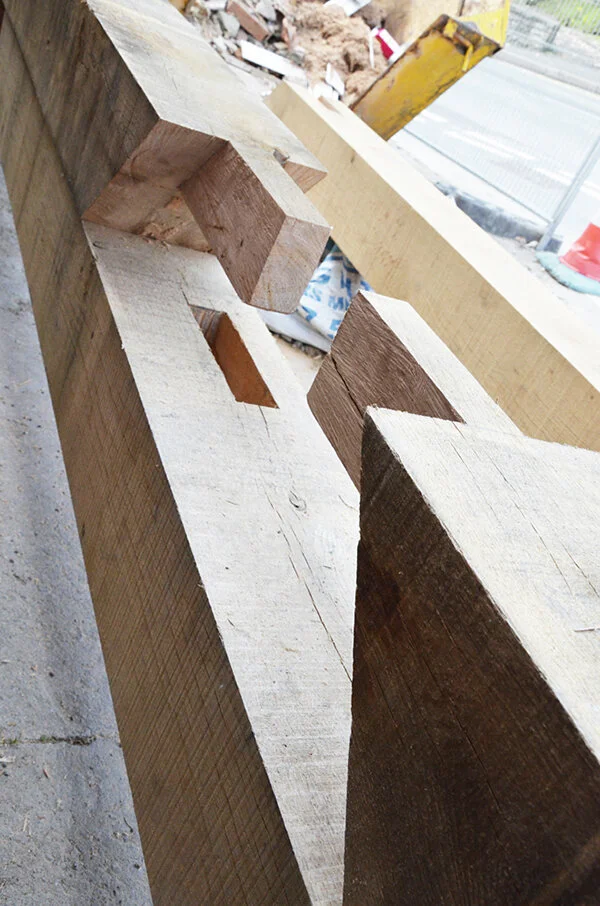
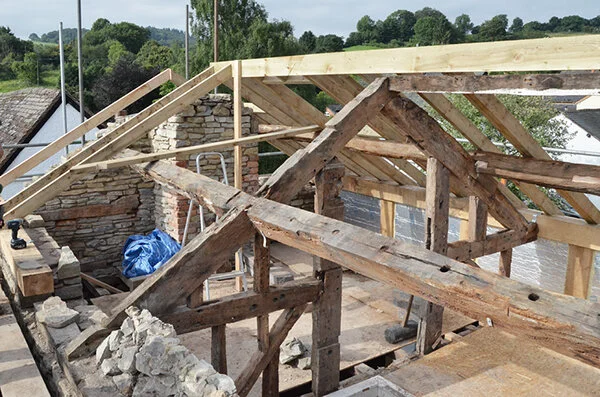
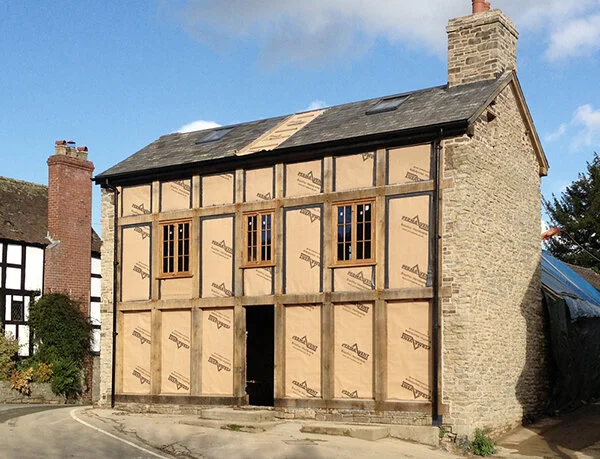
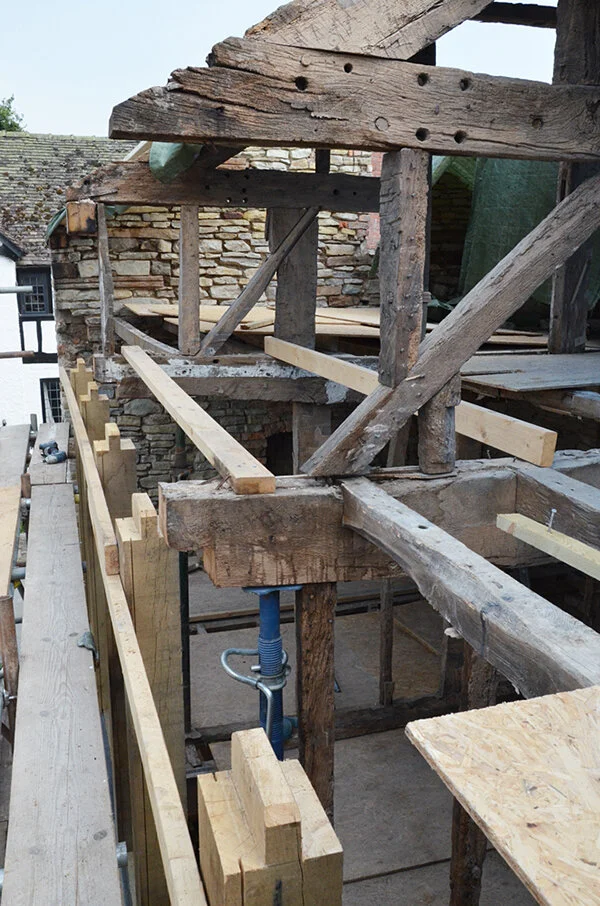
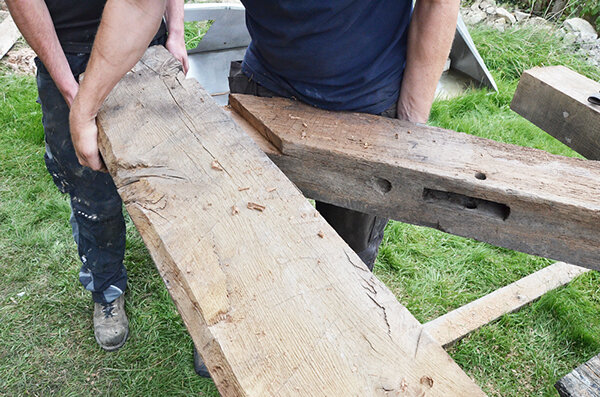
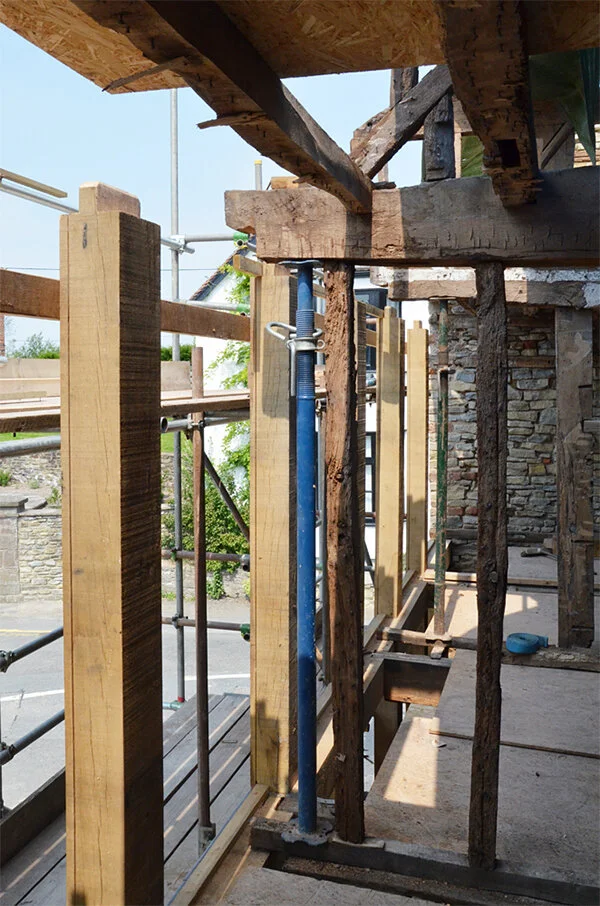
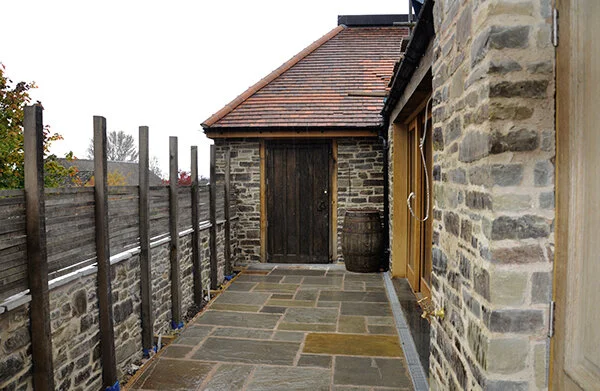
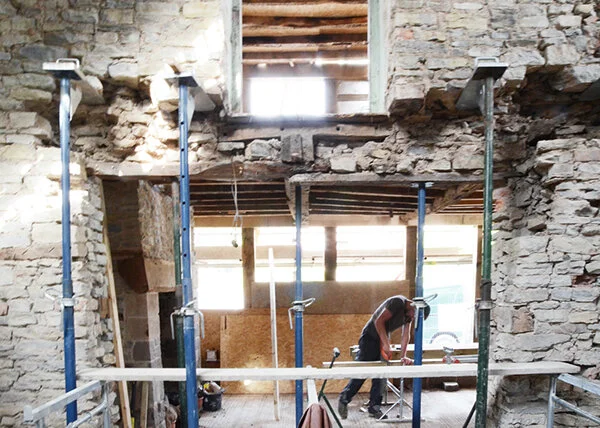
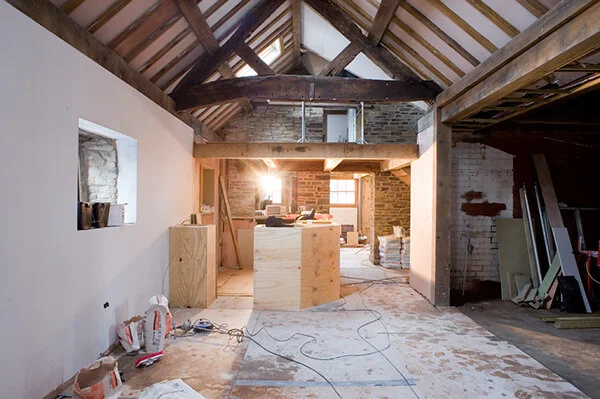
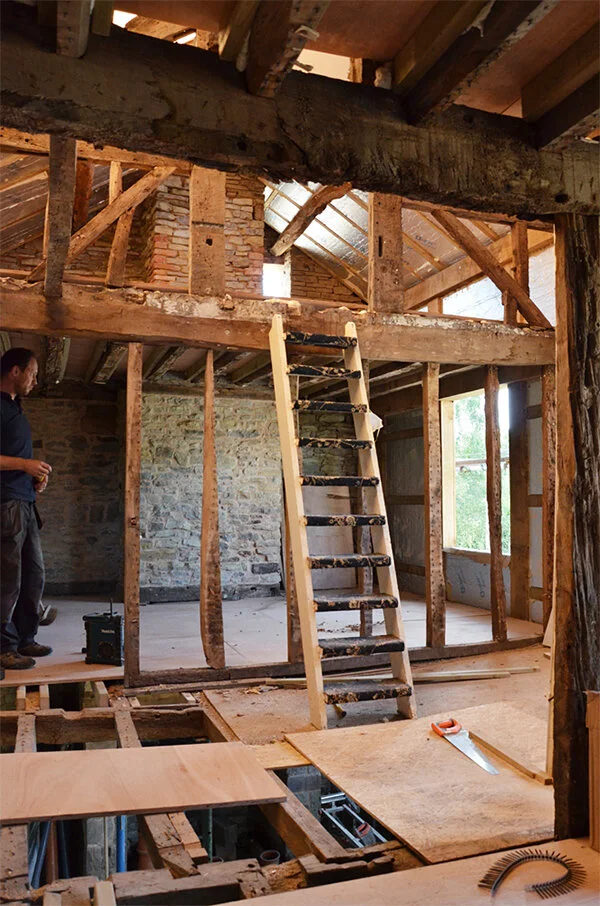
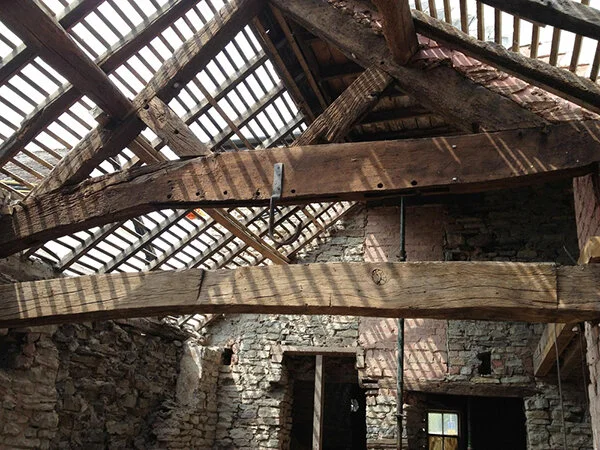
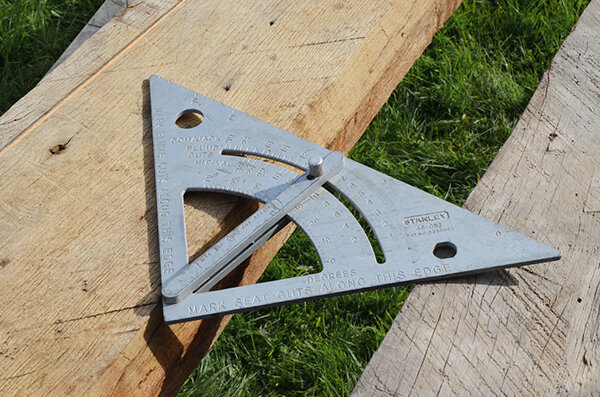
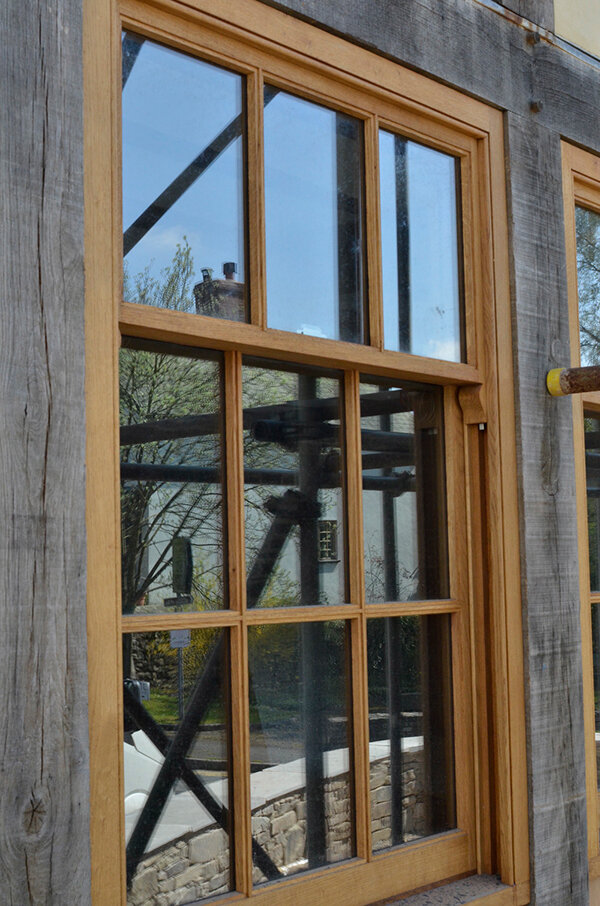
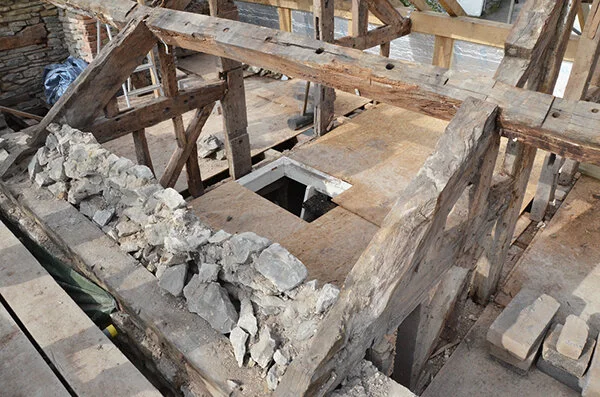
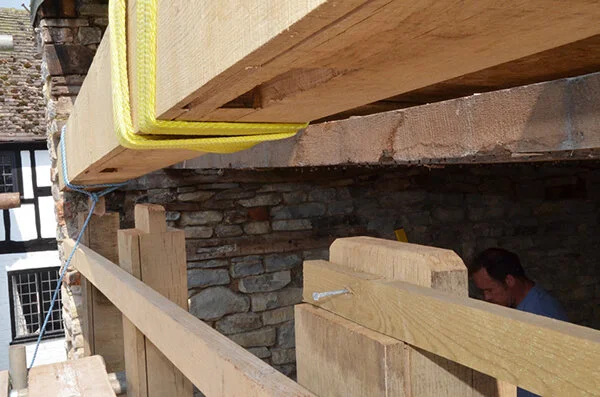
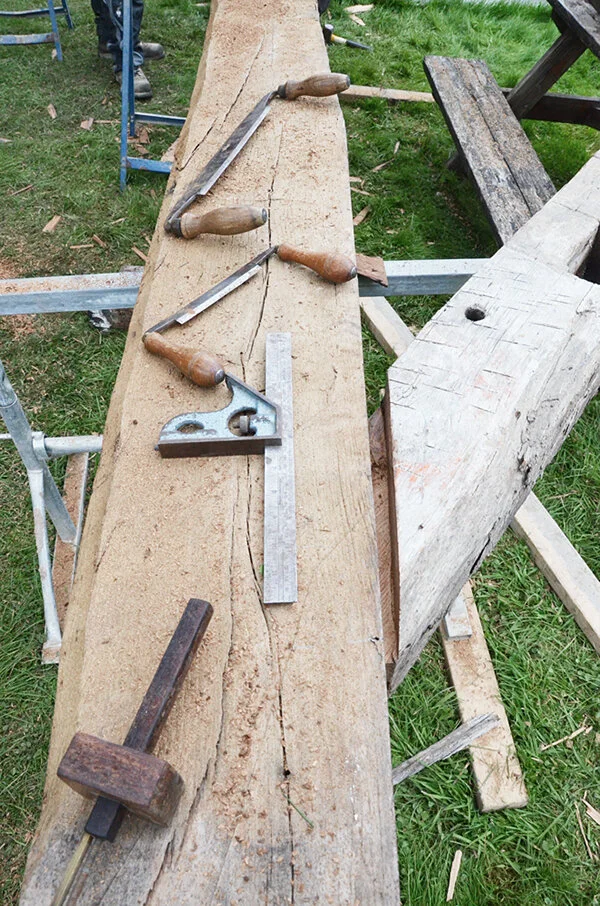
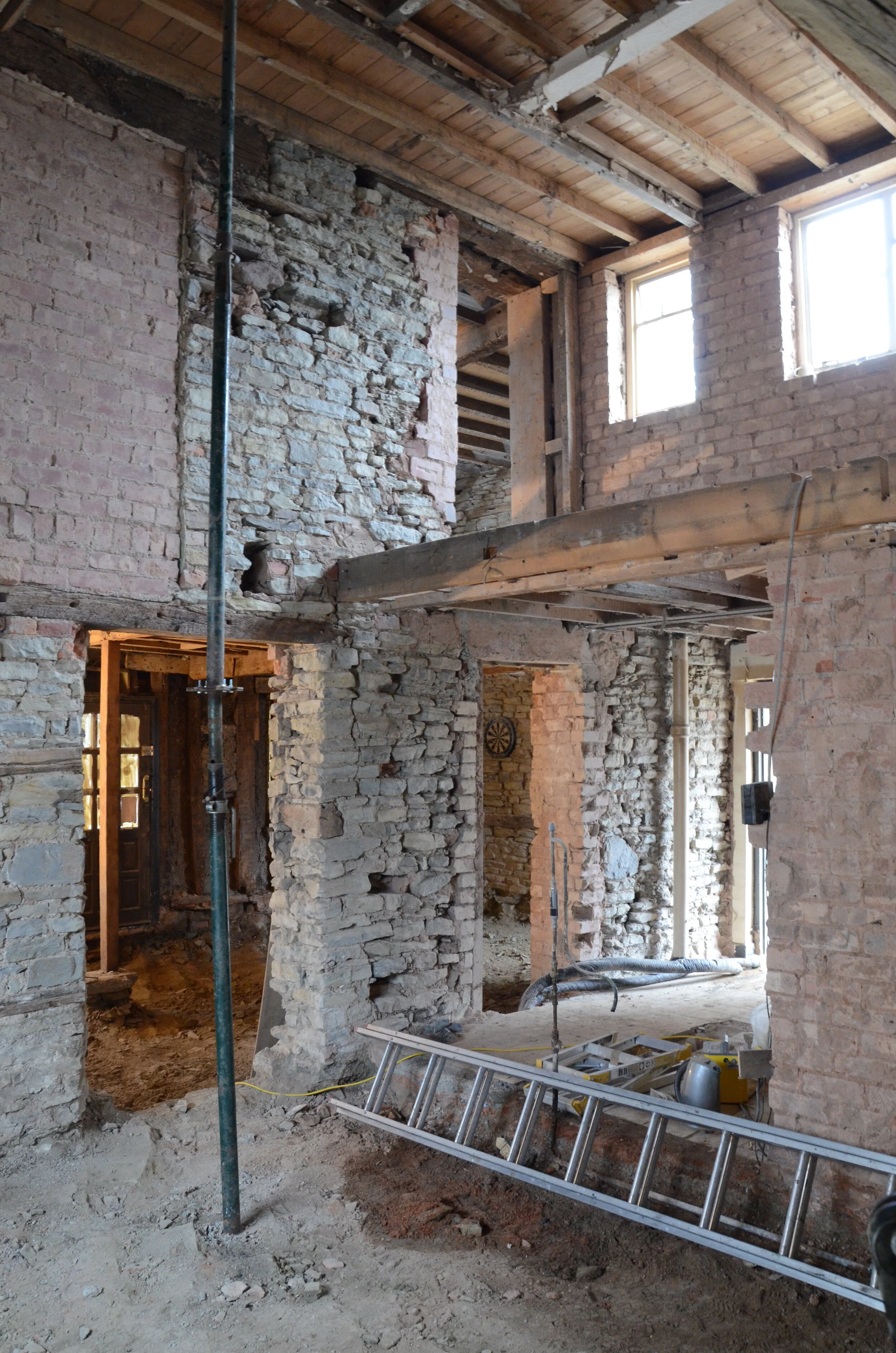
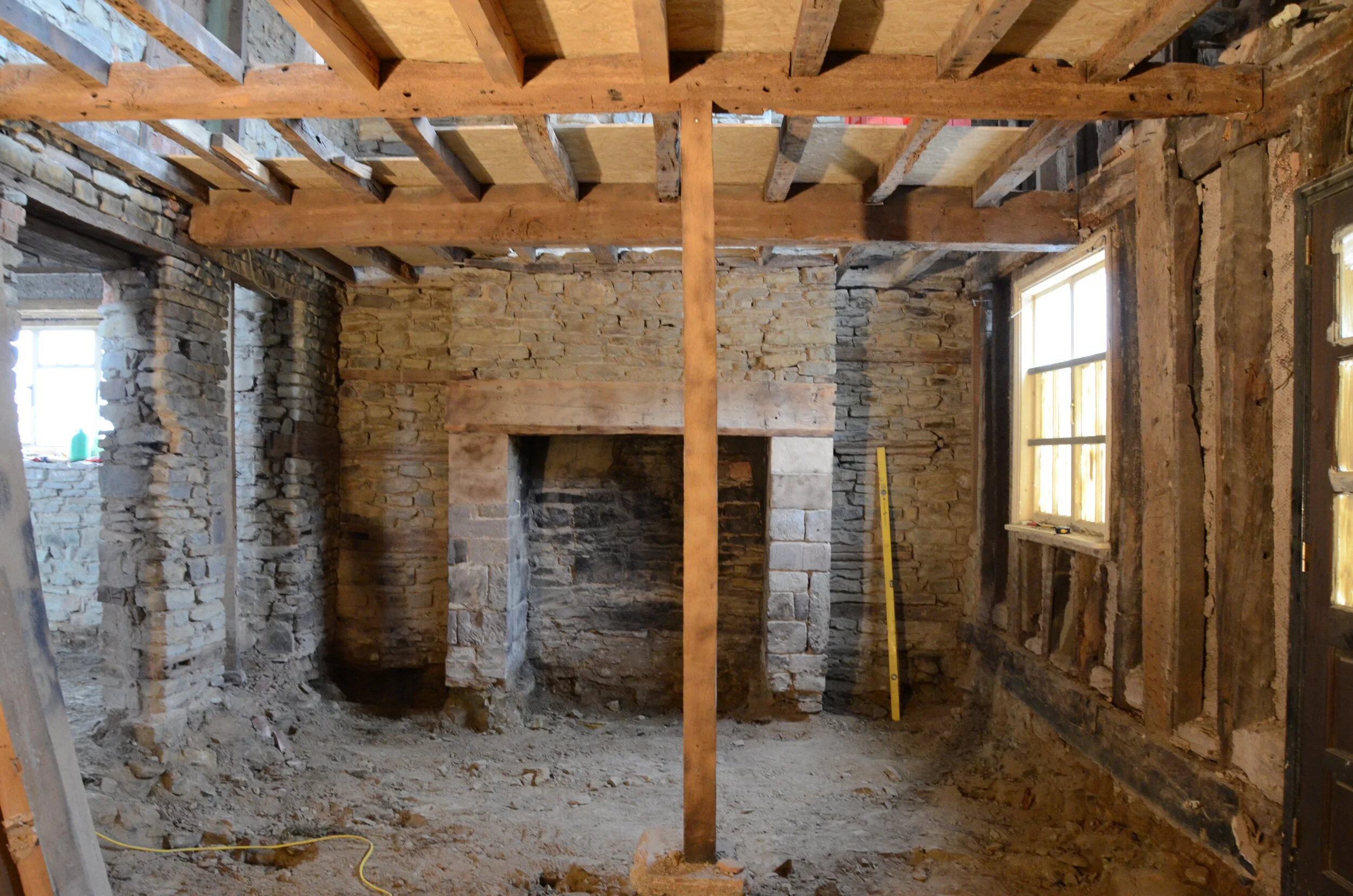
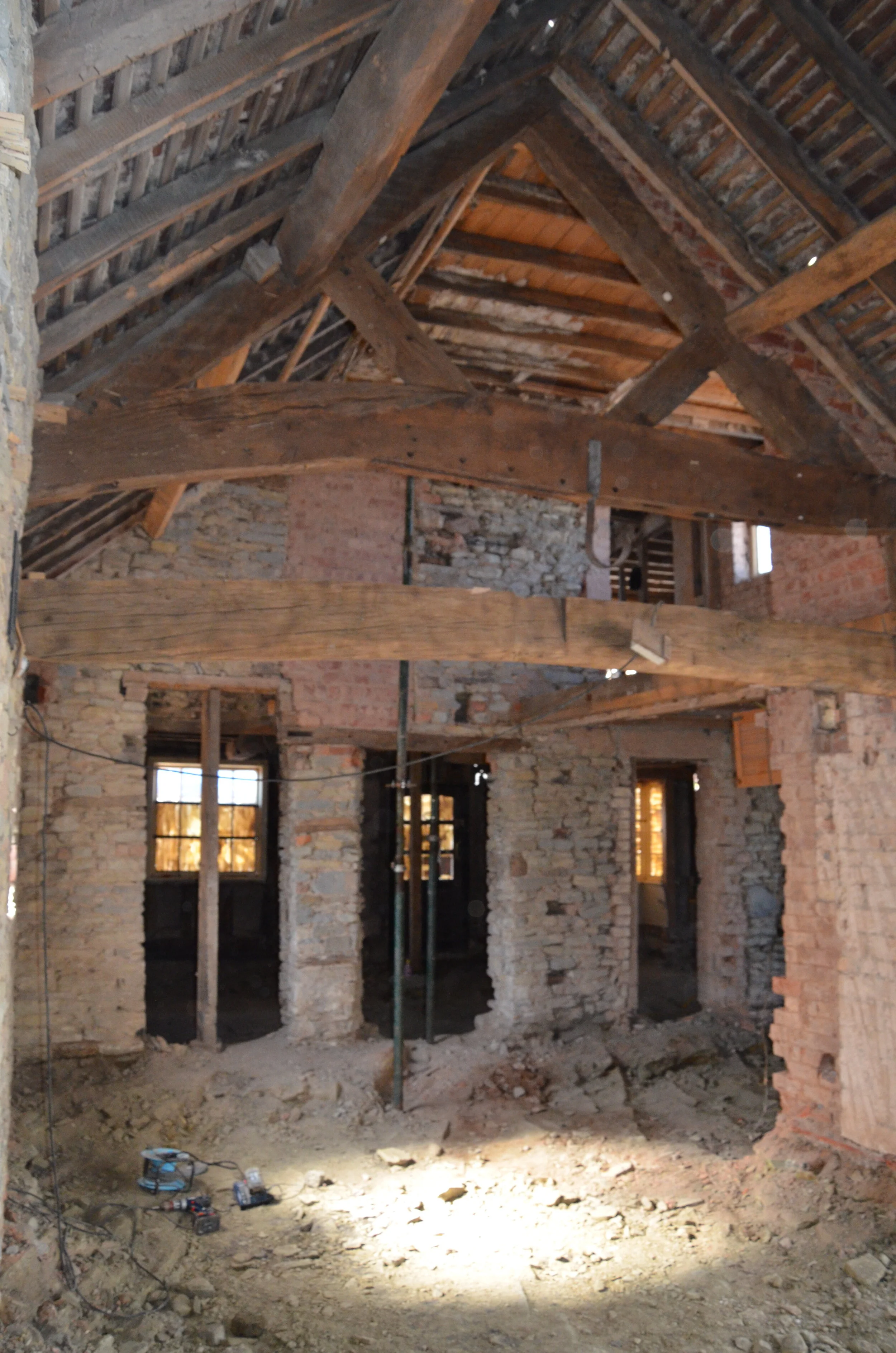
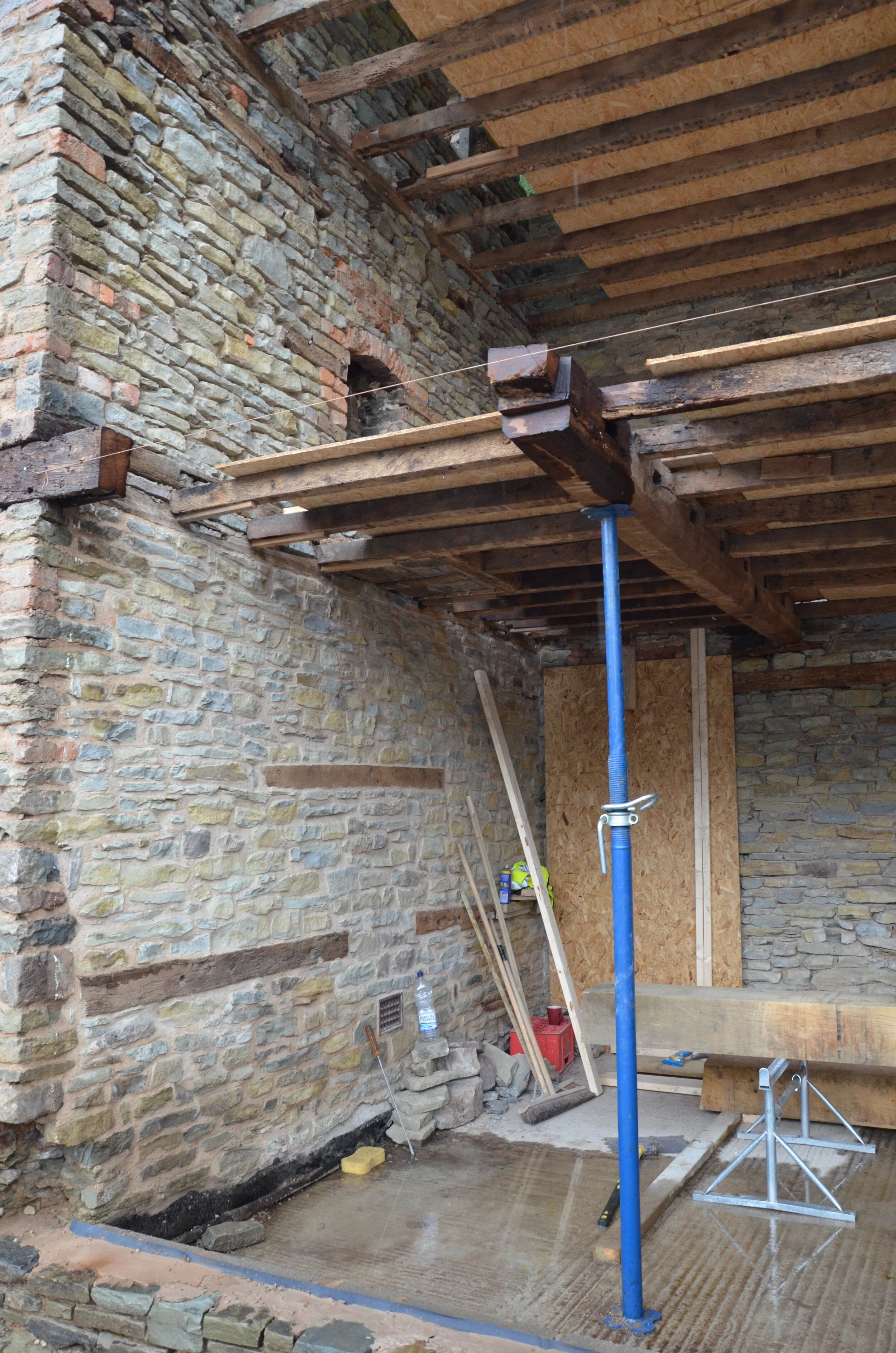
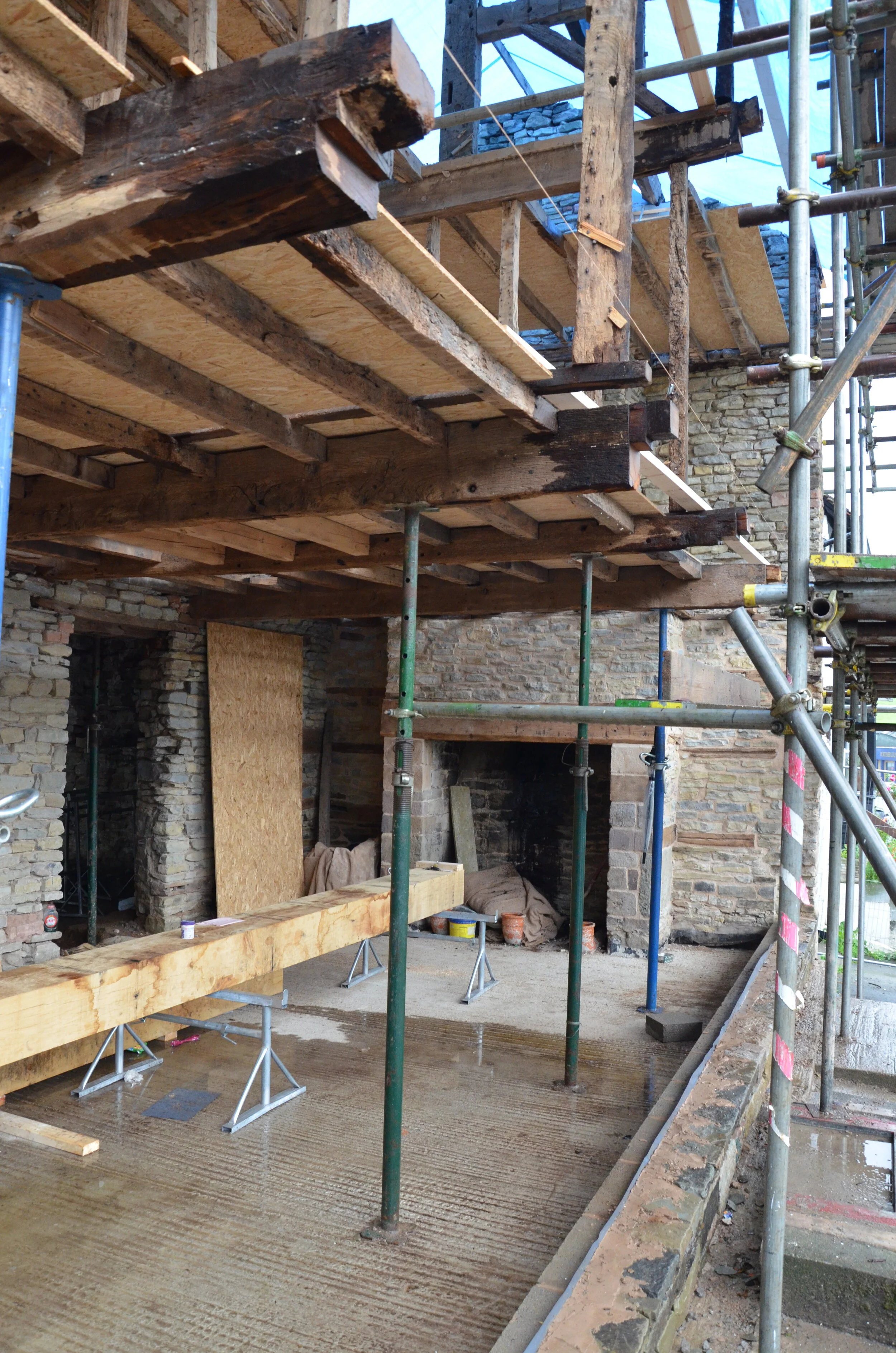
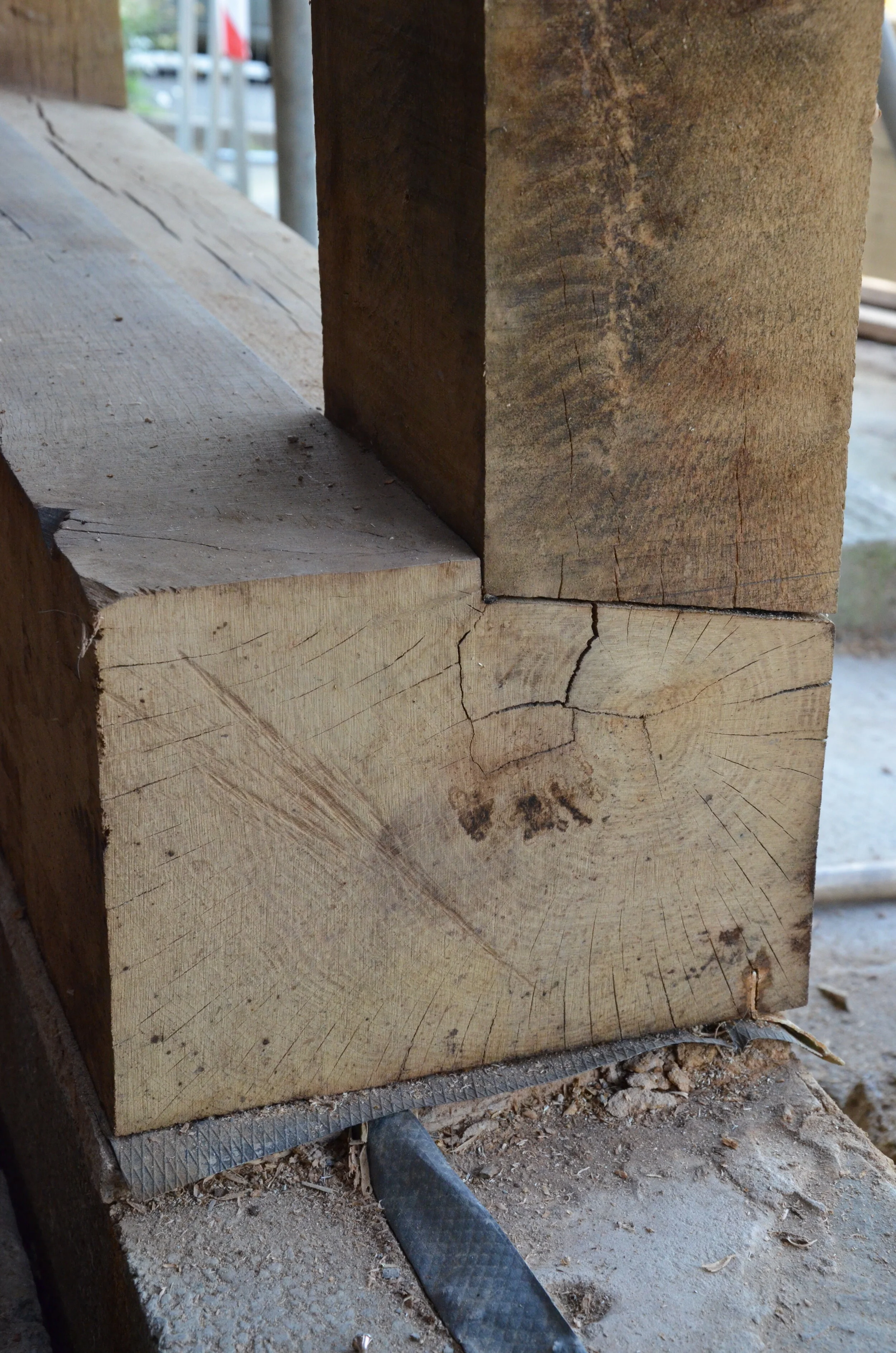
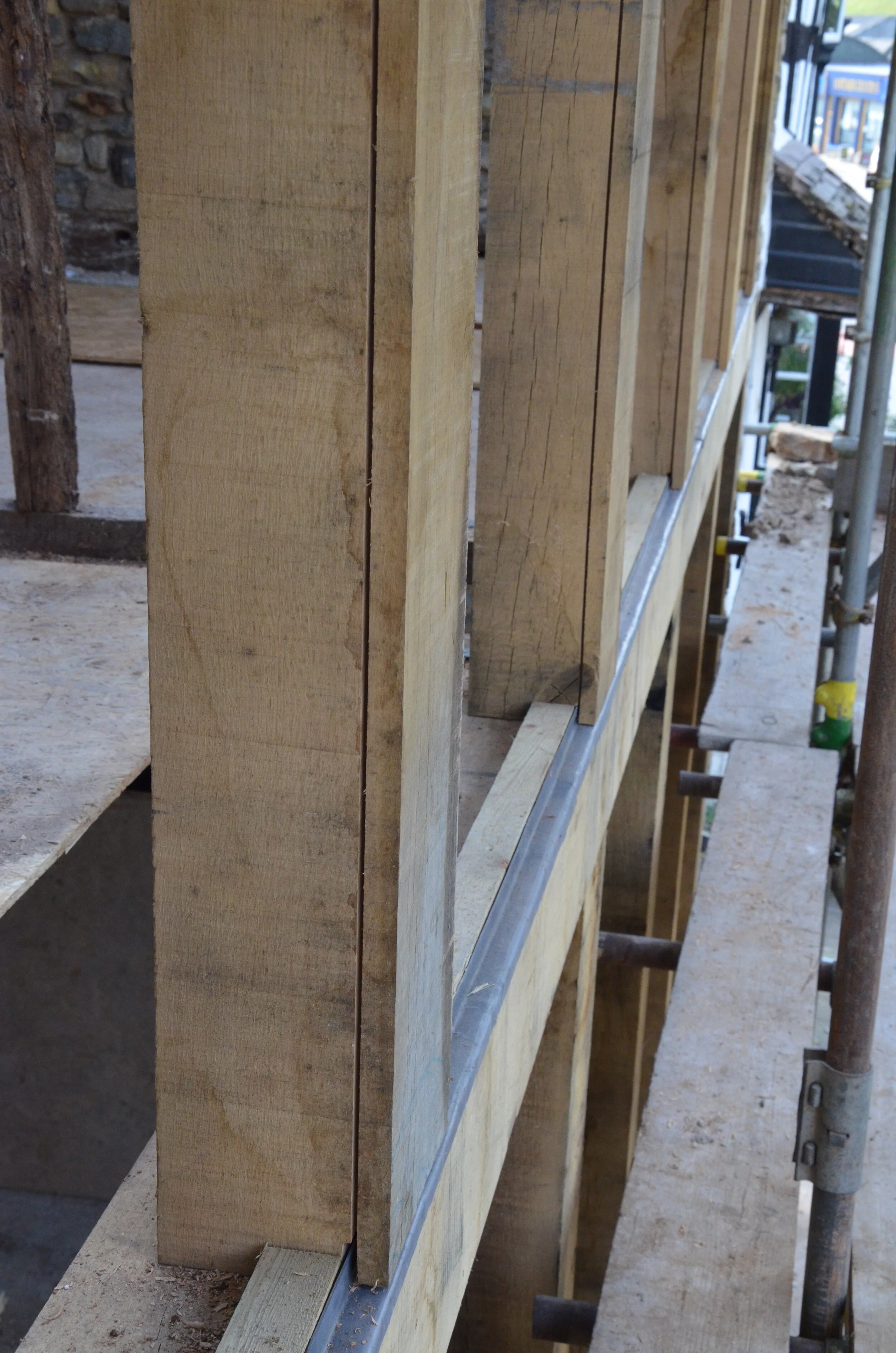
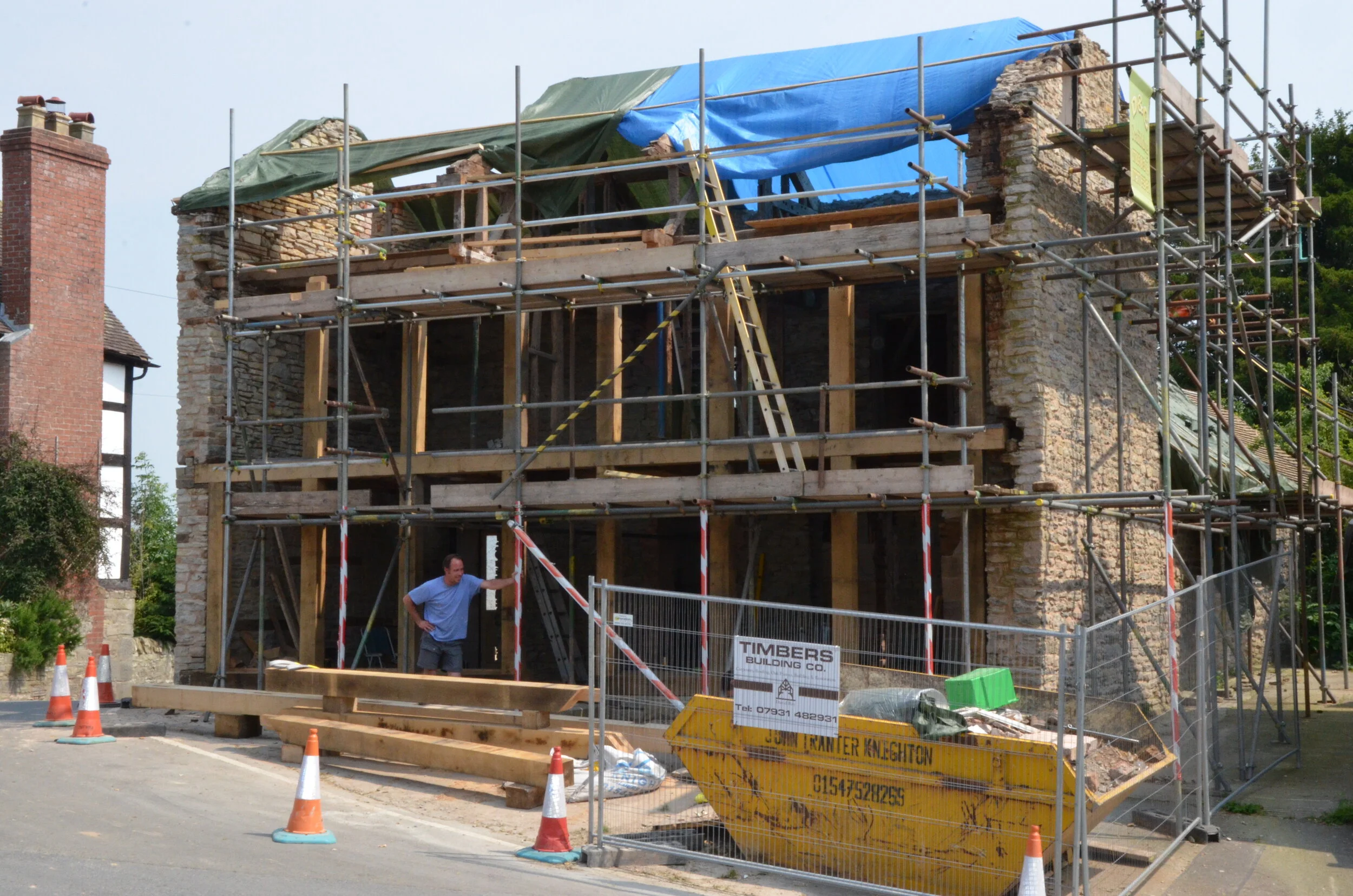
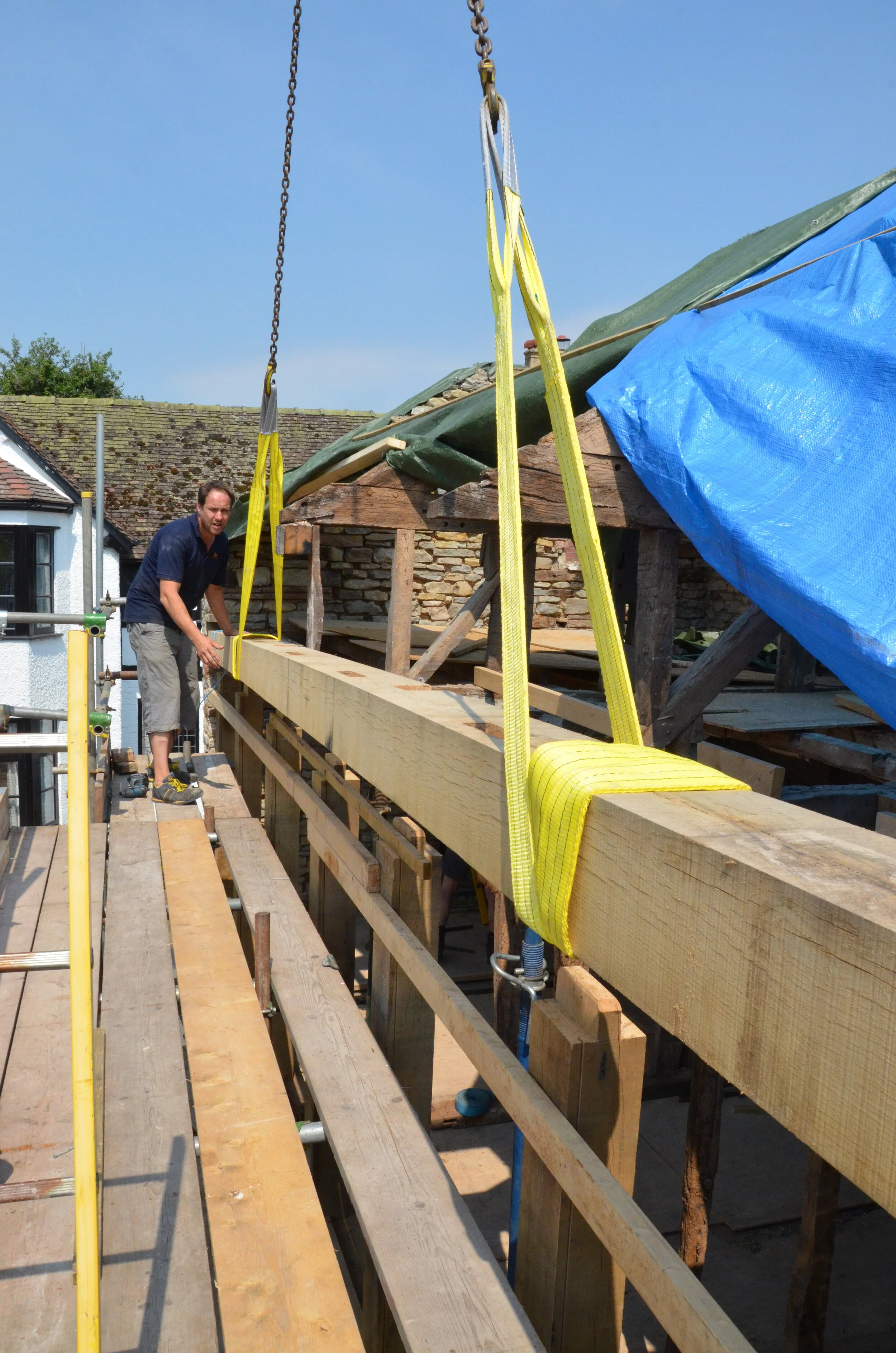
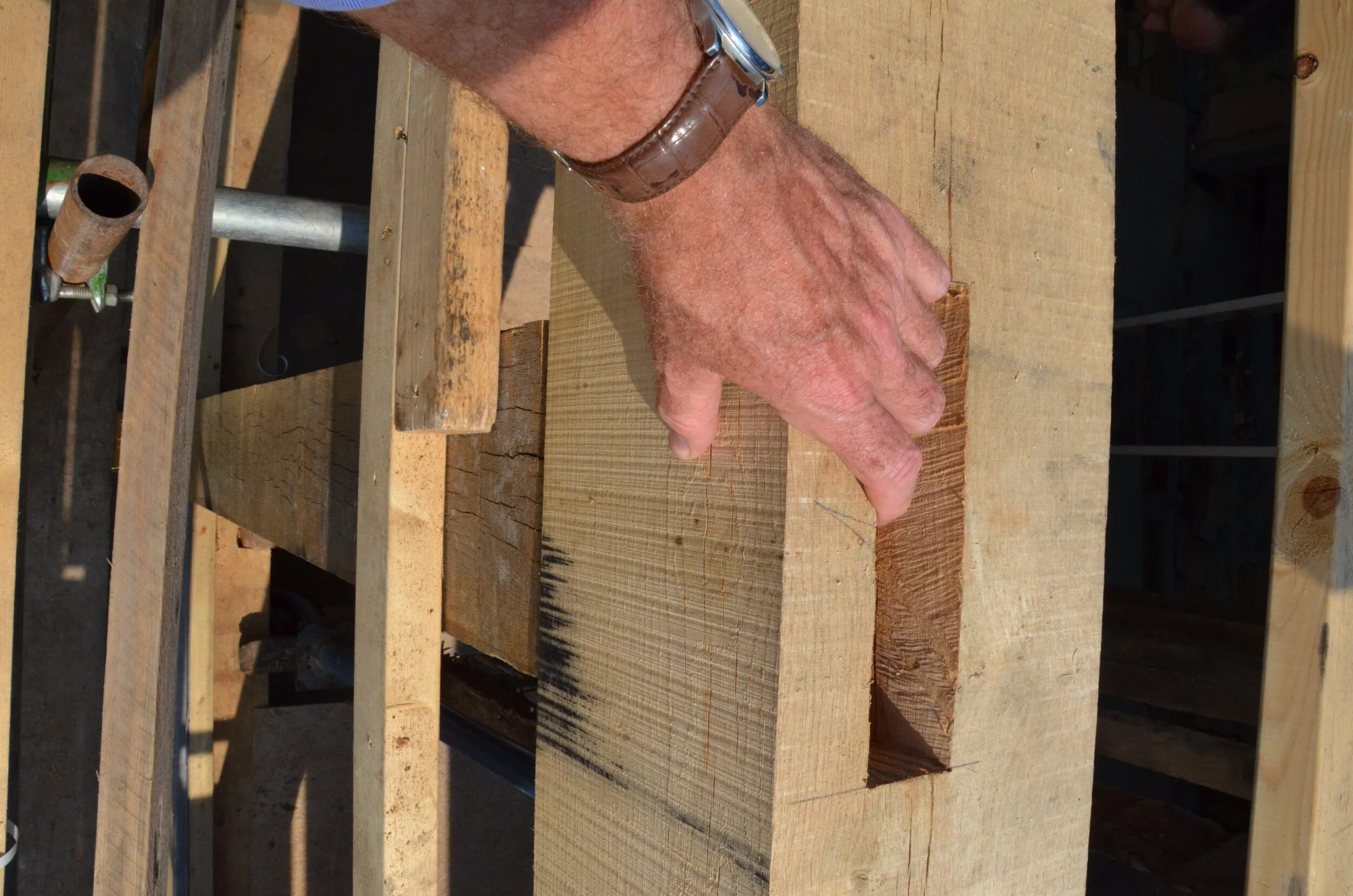
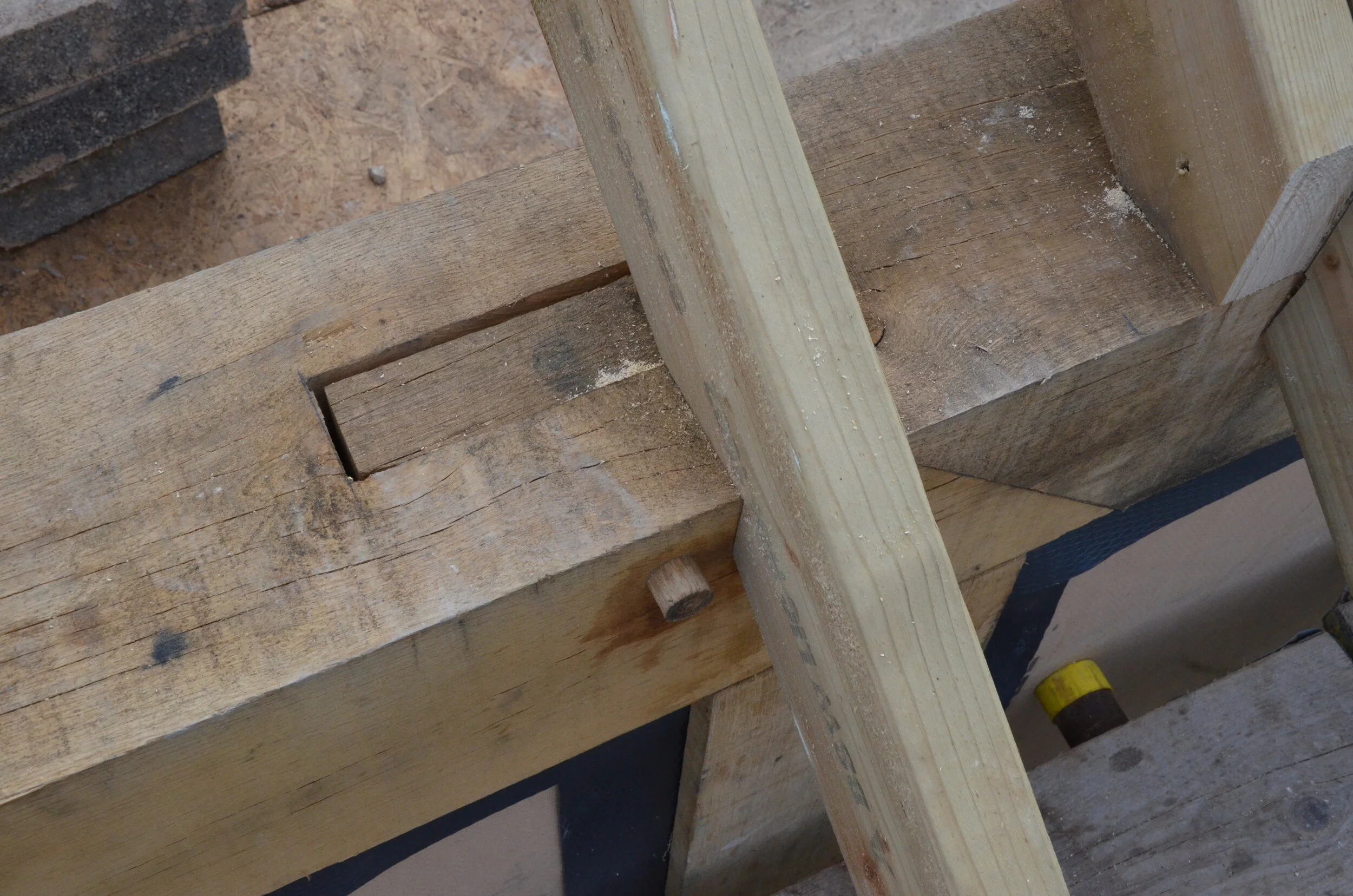
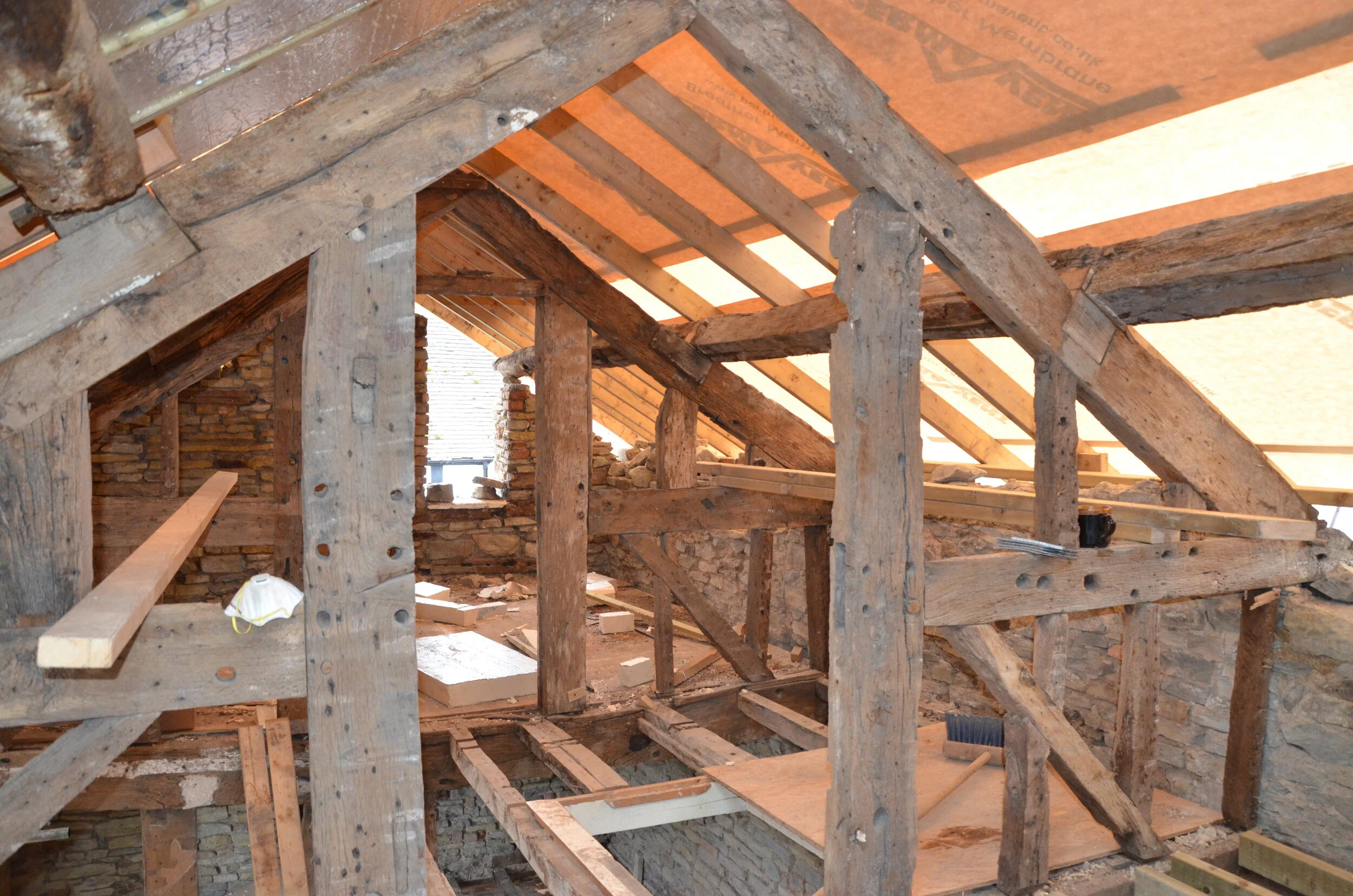
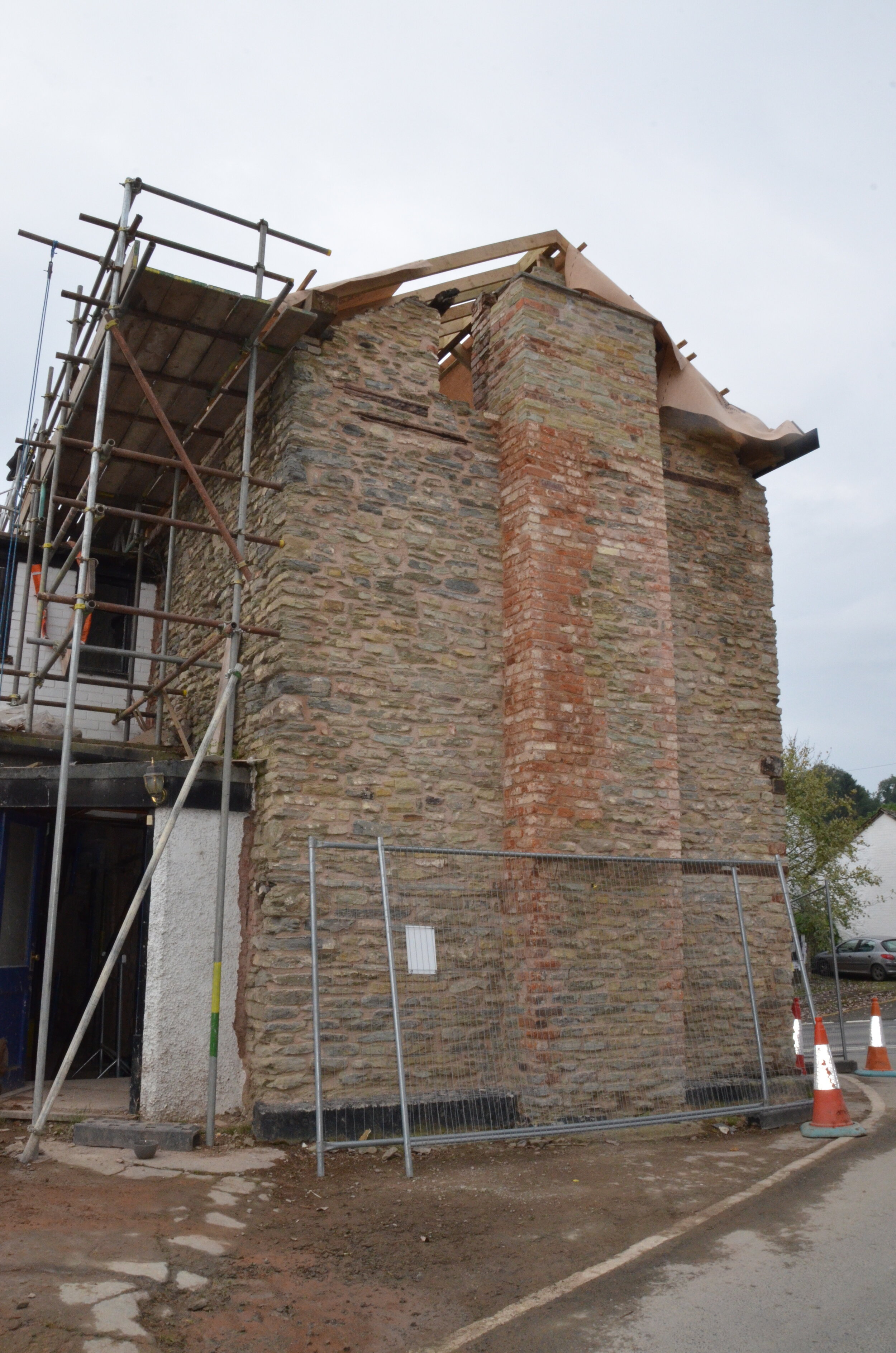
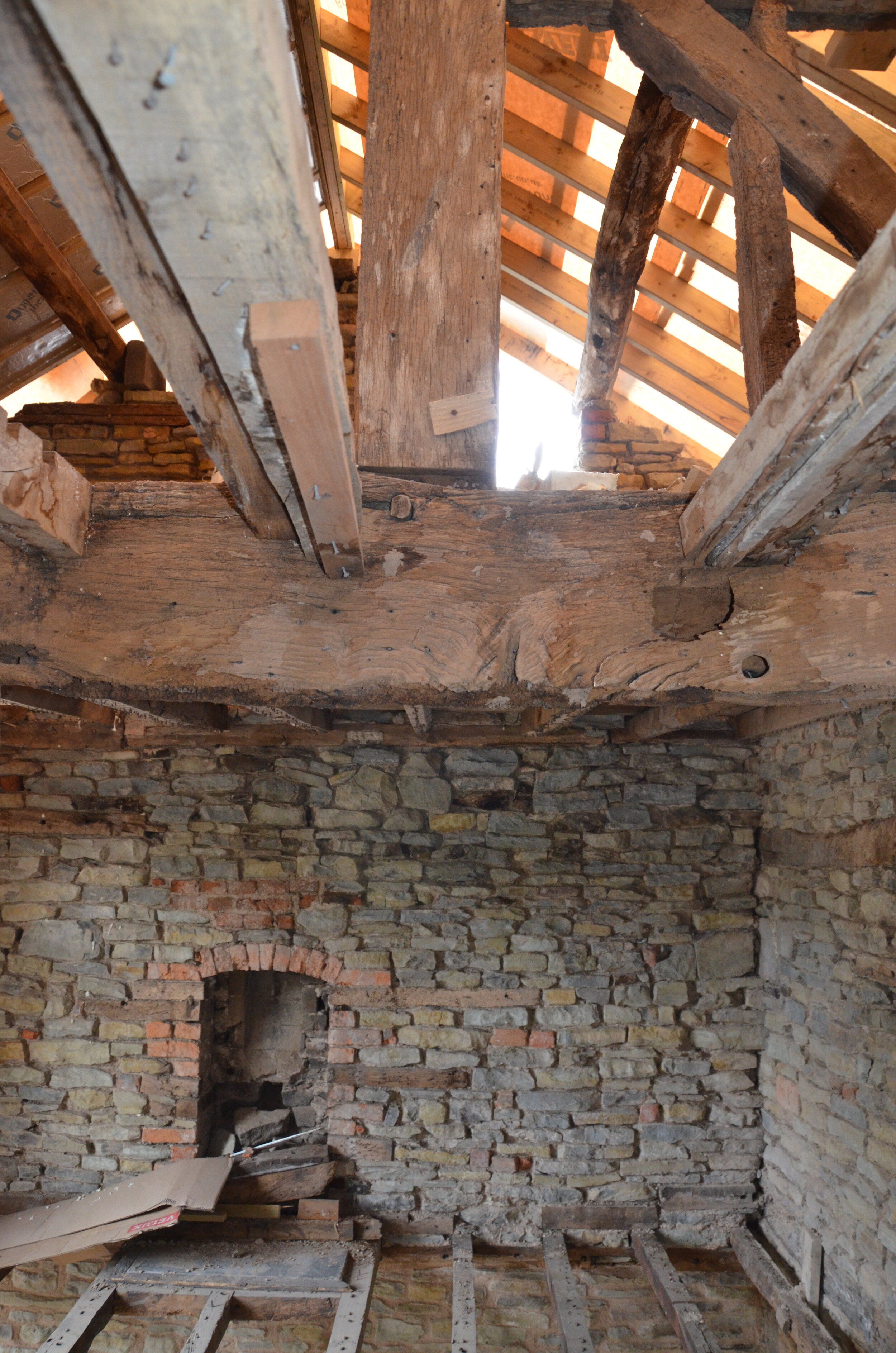
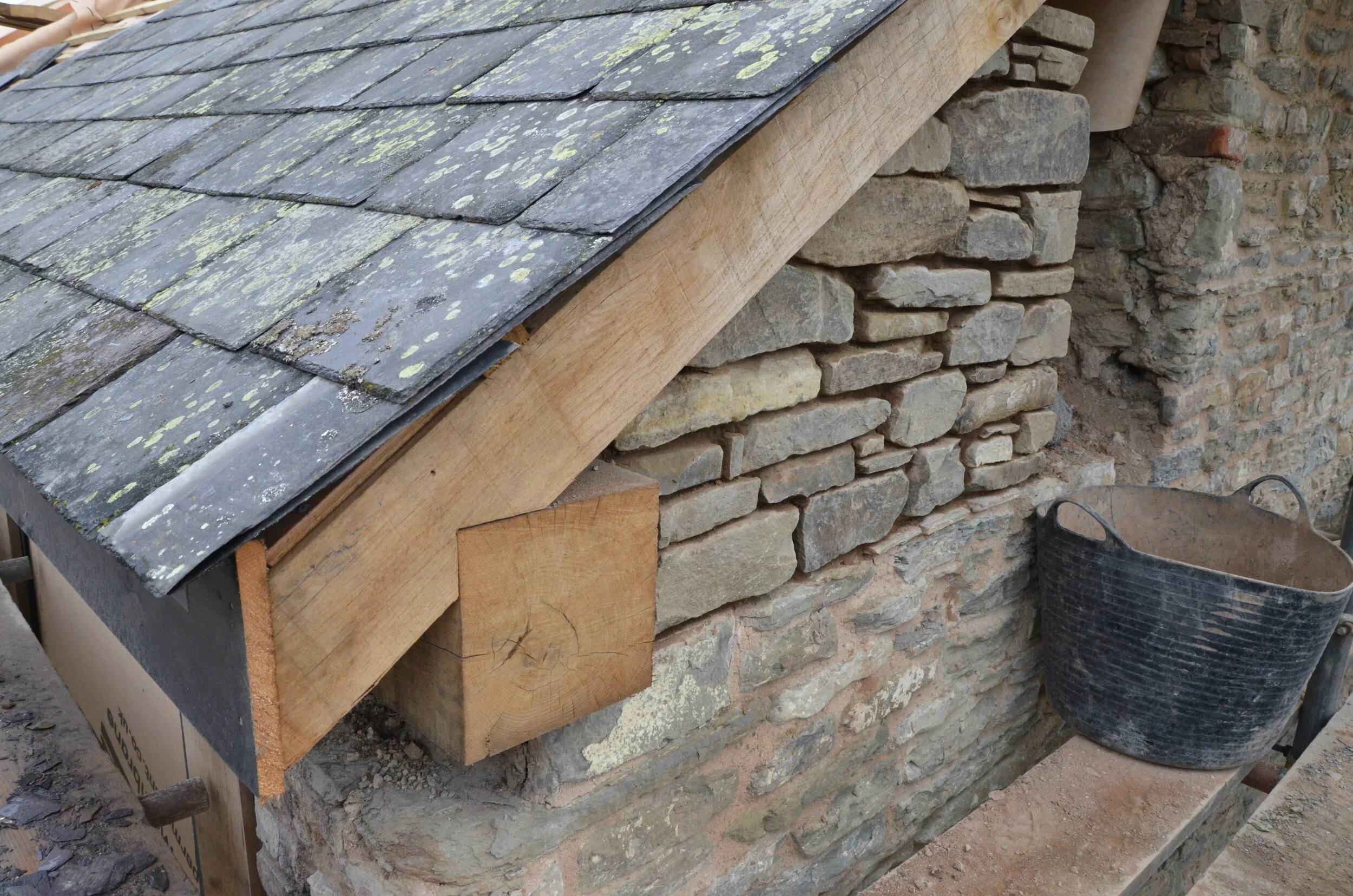
Late night phone calls seldom herald the news “ I’ve bought a pub” After a pause of consternation, the discovery that it’s in the middle of nowhere and badly in need of some repair you quickly realise that the design stage will not be the only problem. The 4 hour trip from London to Ludlow and beyond and procuring a reliable contractor on a limited budget is going to be the big challenge. The first site visit confirms your worst fears. It’s a tear down!. In addition the local decorator suddenly advances the information that he is in fact a full blown contractor capable of restoring a six hundred year old historic building. The trusting client pays the deposit and, after six weeks of demolition when the building resembles little more than a bomb site, he absconds with a quarter of the budget. This is the stuff of many a dinner party “ were having the builders in” conversation. The designs have passed the beady eyes of the Parish Council, but are still before the Planning Committee. Late night call number two. 999. Time to move towards a plan B. Pressure the Local Authority Planning department & Historic Buildings Committee, meet the hundreds of Parishioners and persuade them that this sadly neglected building needs a new life without looking like a “monstrous carbuncle” as the close “friend” of HRH Prince Charles put it. A chance meeting in a local pub led to one of the most meaningful working relationships I have ever experienced on a building site. An extraordinary local carpenter, Mr. David Ray, came to our rescue. His knowledge and understanding of “Green Oak” was remarkable and out came the set square, hand chisel and marking gauge. I drew every joint, peg and tennon in a 3D sketchbook while he moved the huge oak beams around the local sawmill who rough cut the timber and then the building was re-assembled using all the salvaged timbers we could.
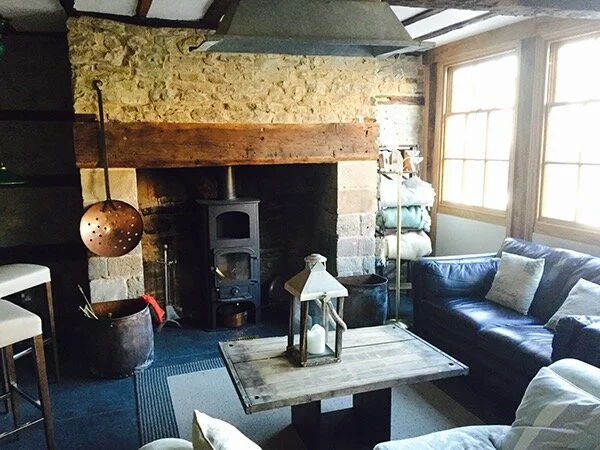
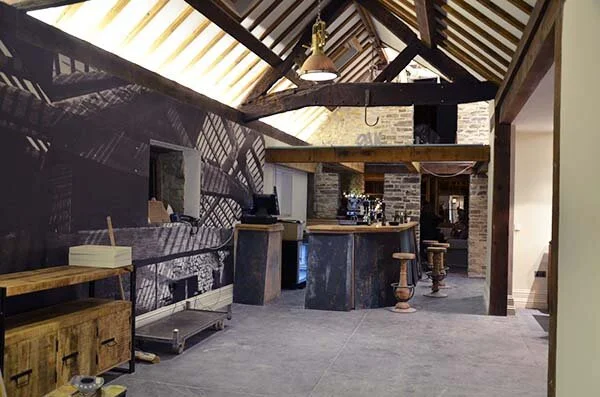
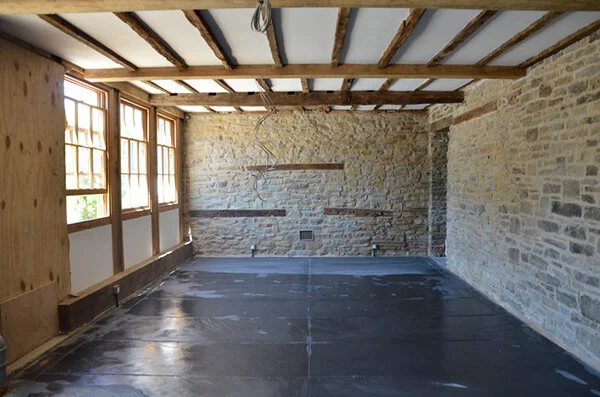
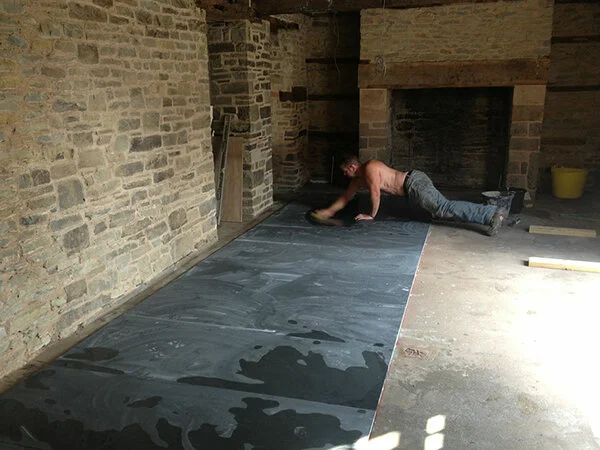
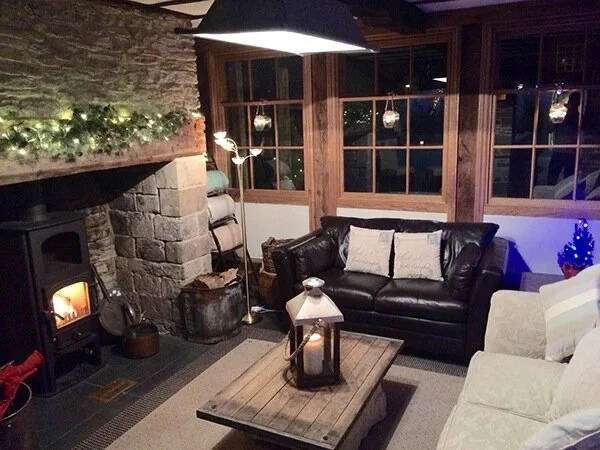
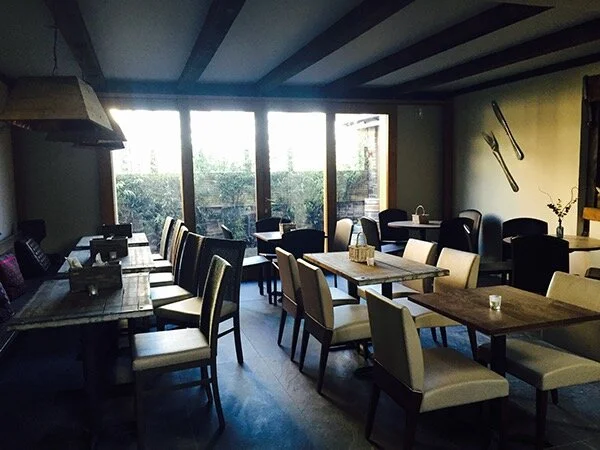
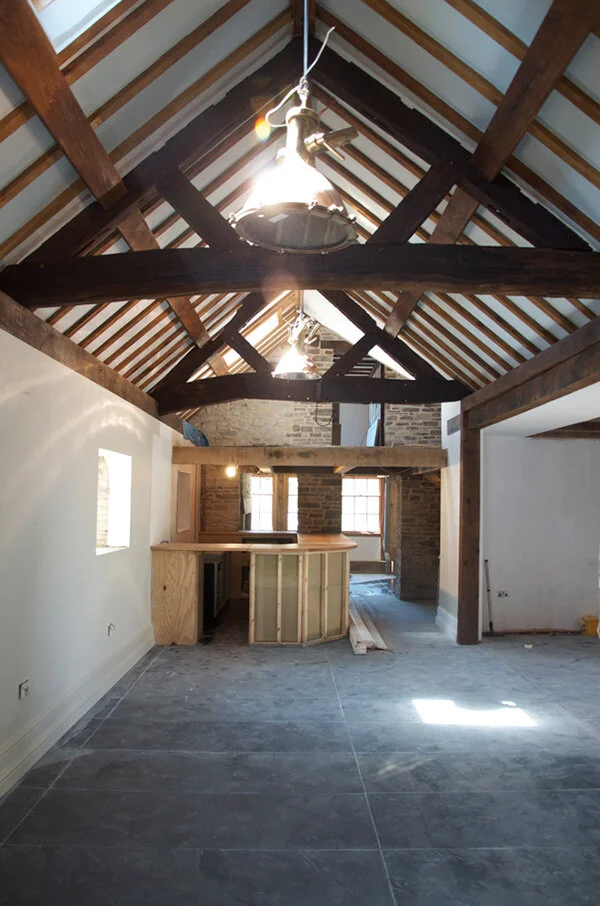
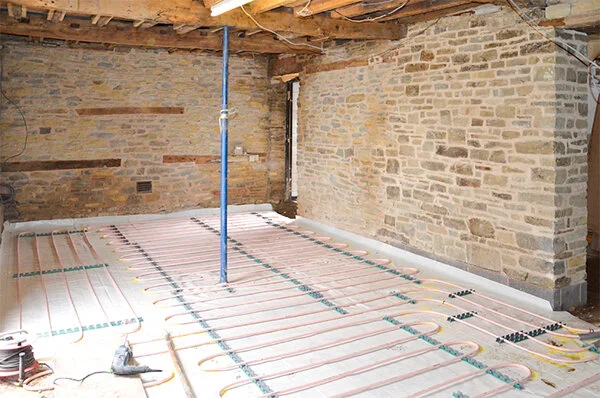
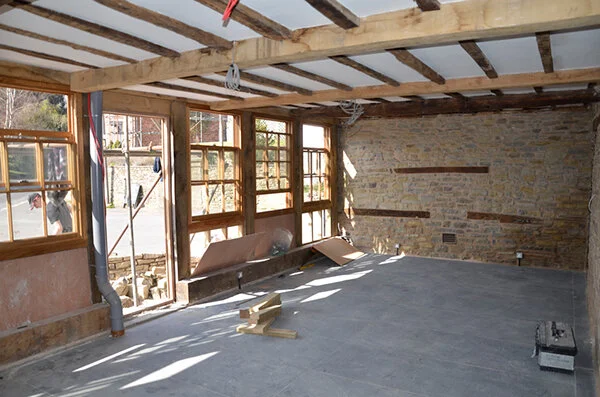
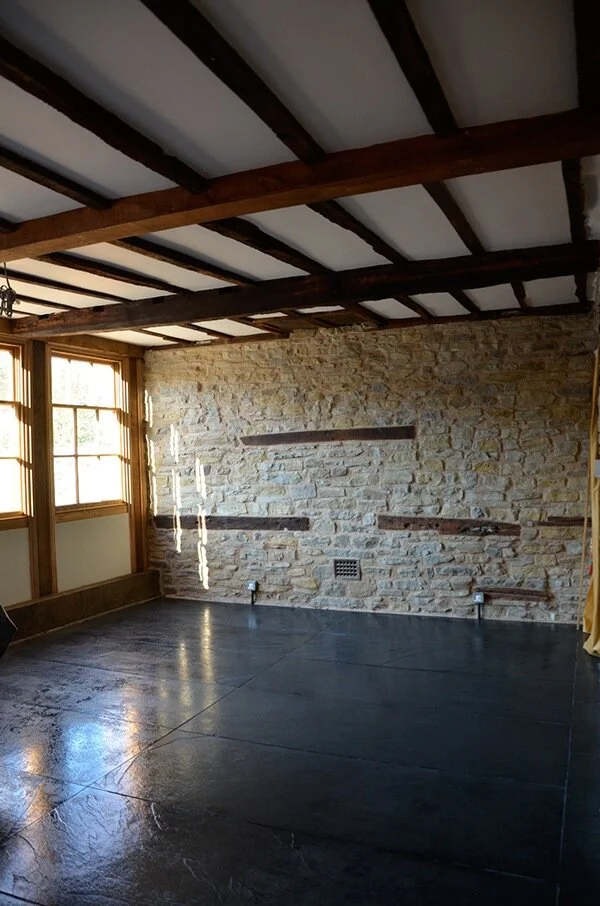
A local junkyard obtained a consignment of pool table tops in 2 inch thick slate and they made a perfect floor covering with a matrix of “Multi-beton” pipework below to provide underfloor heating.
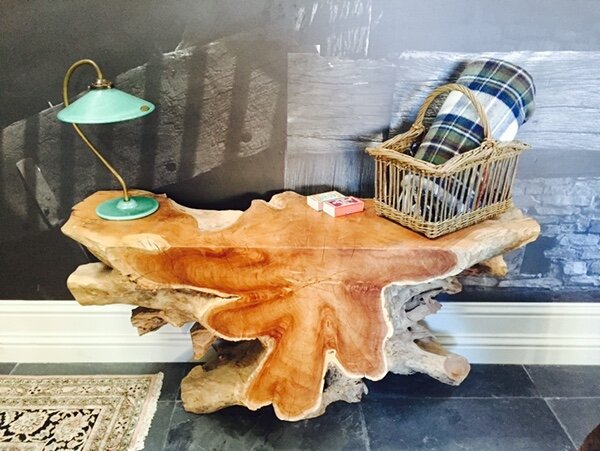
The only “ugly” wall in the building was a long stretch of concrete block along the flank boundary wall. I enlarged the photographs that I had taken during the dismantling/demolition stages and printed them onto self-adhesive 8 x 4 foot sheets to wallpaper the memories over the new construction. An old oak stump was cut into a reception desk. (The original public house was called “Ye Olde Oak” so it seemed an appropriate end to her majesty) The bar stools were fashioned from old tractor seats and the cutlery boxes were old herring boxes from the old Billingsgate Fish Market before I worked on it’s restoration.
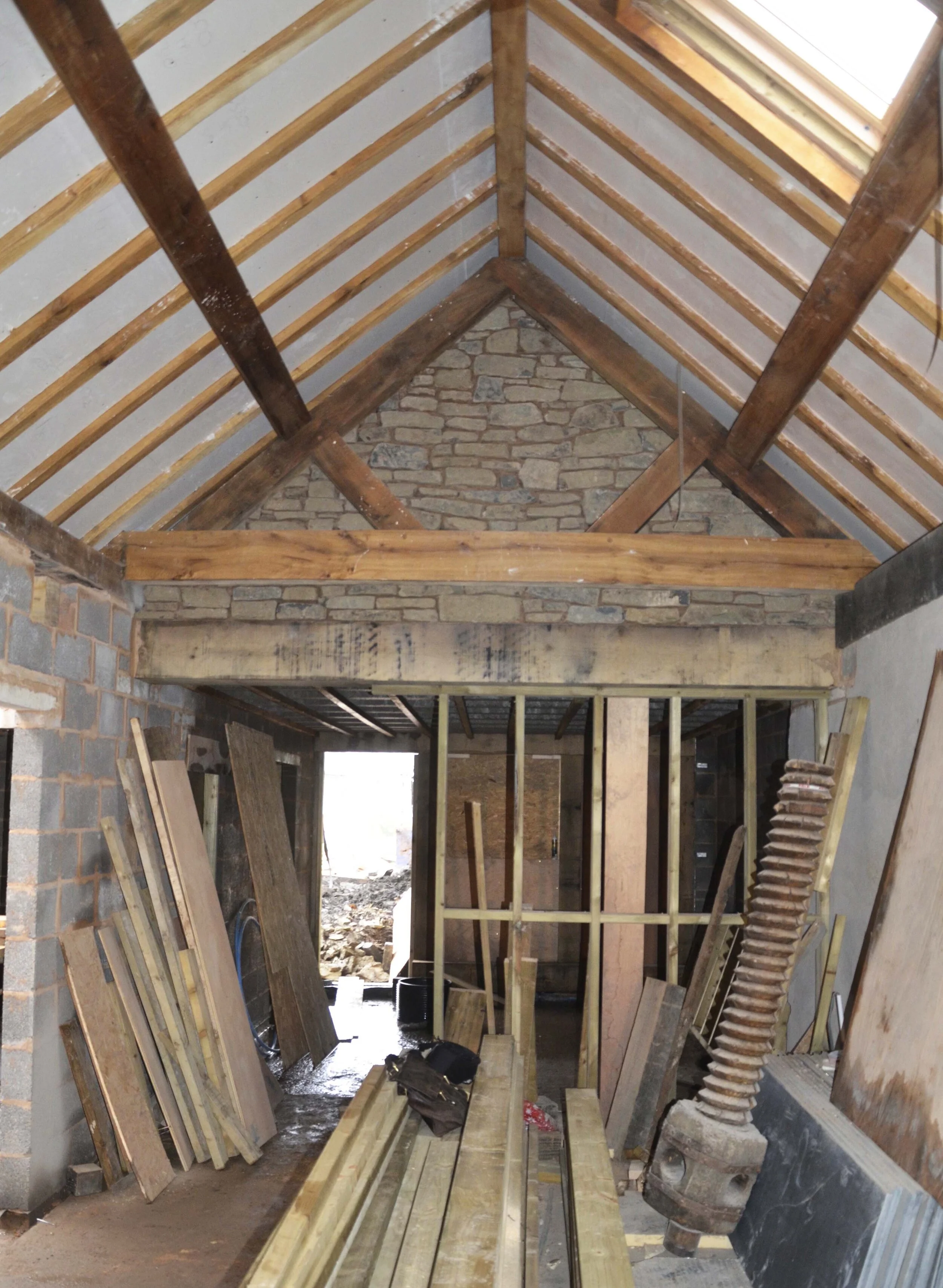
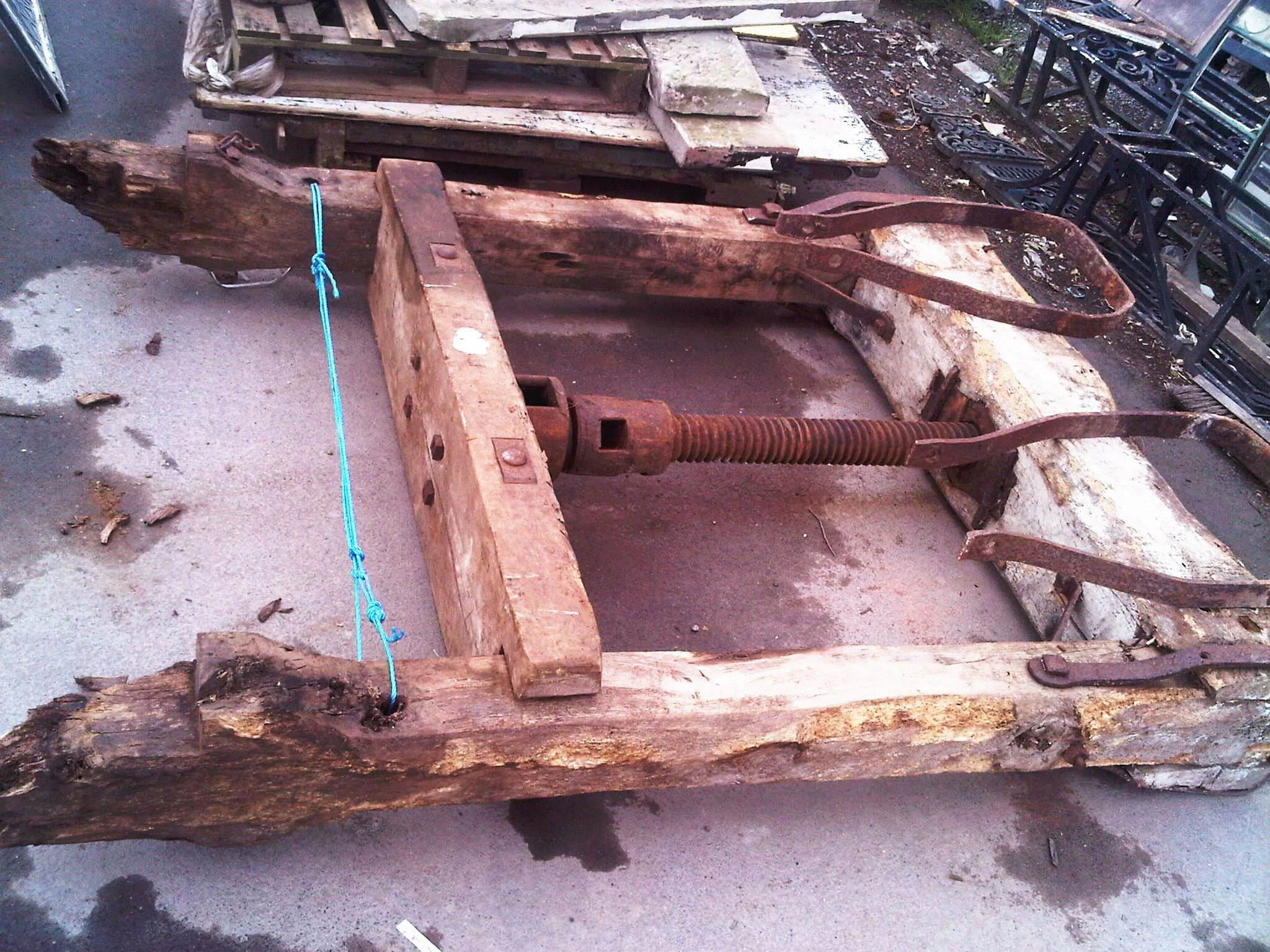
The lighting was salvaged from an old theatre, the restaurant table tops were old wash boards and an old cider press was repurposed to hold up the conservatory beams.