
THE LONDON HOUSES - Residence @ Ashburn Place

Ashburn Place Residence
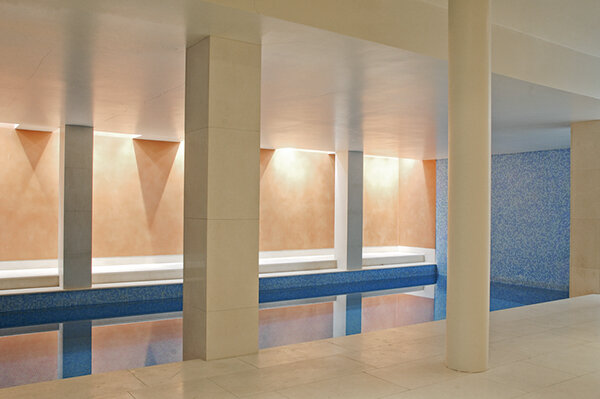
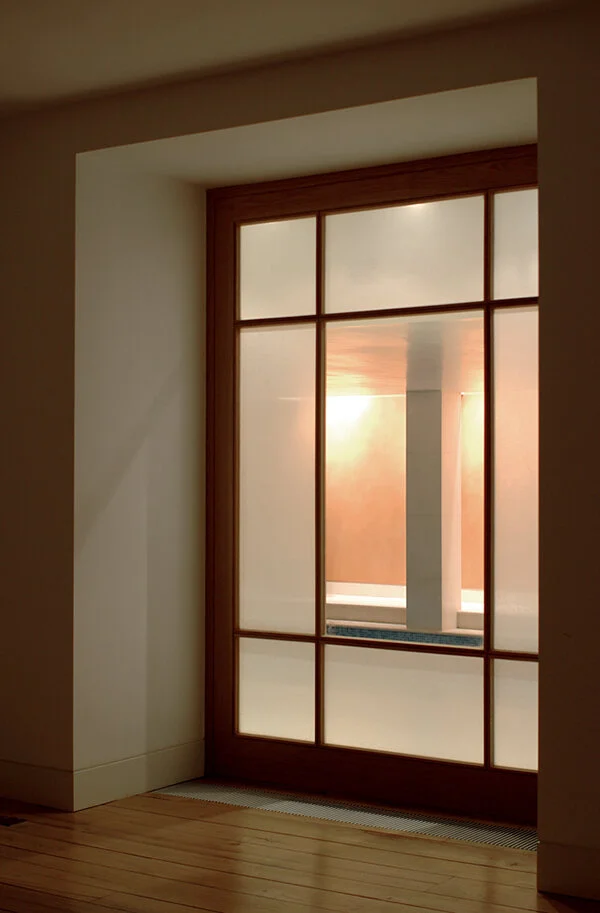
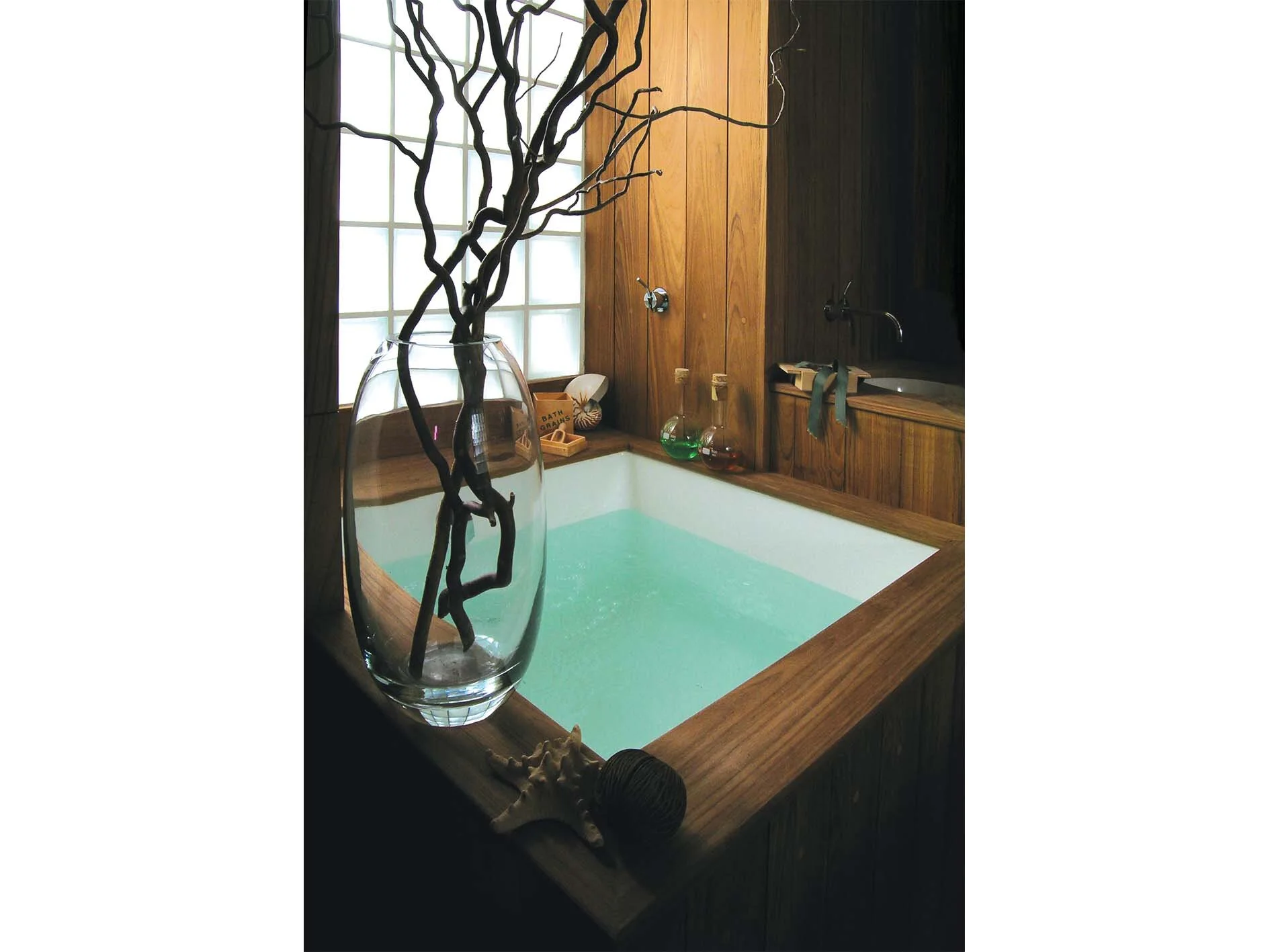
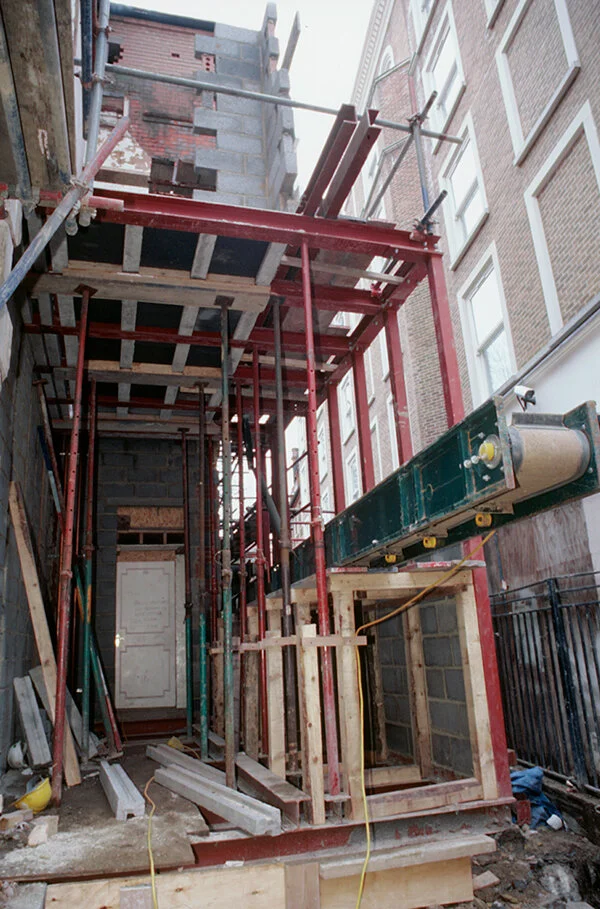
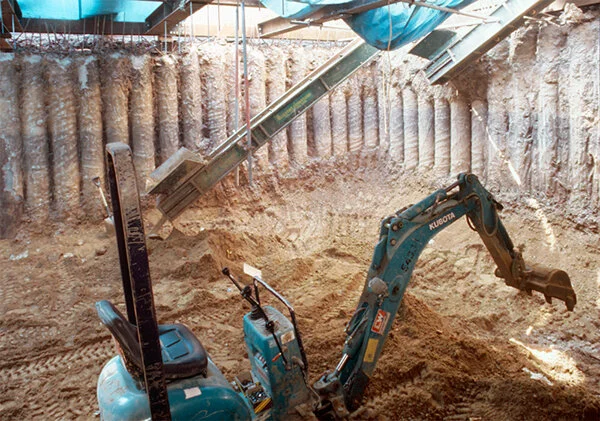
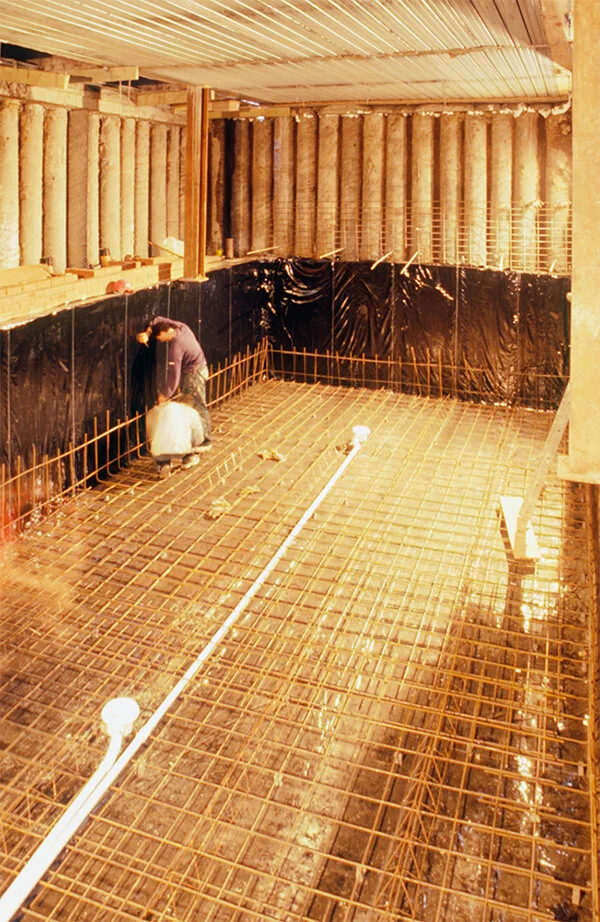
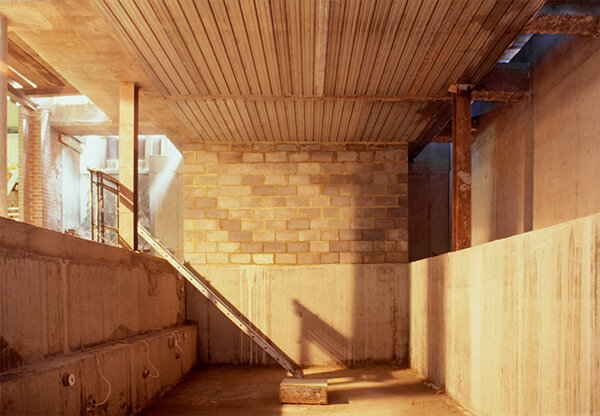
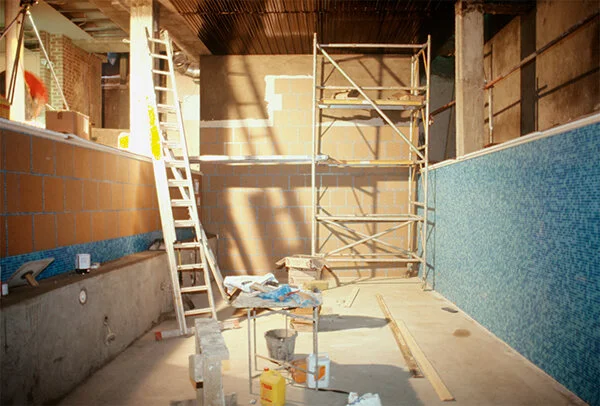
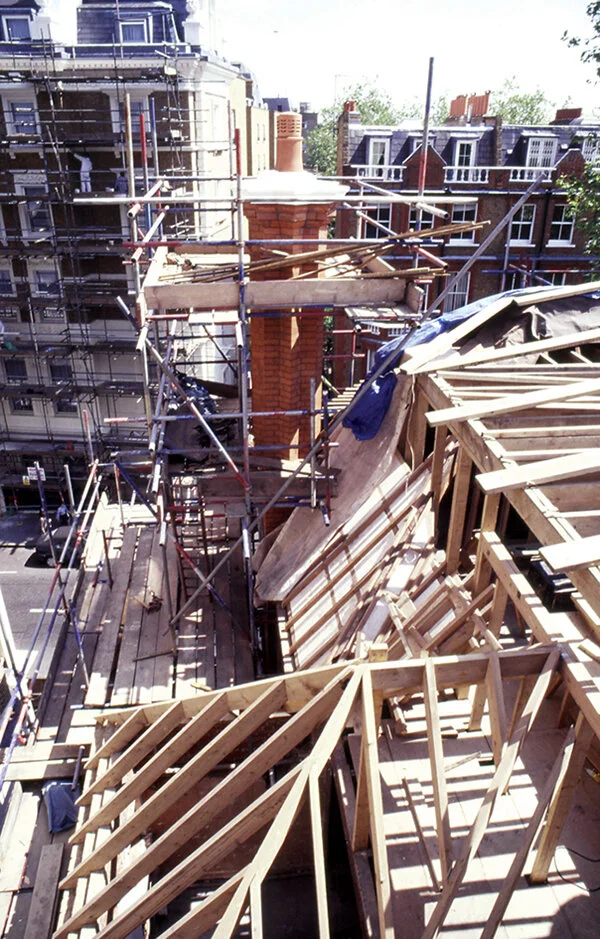
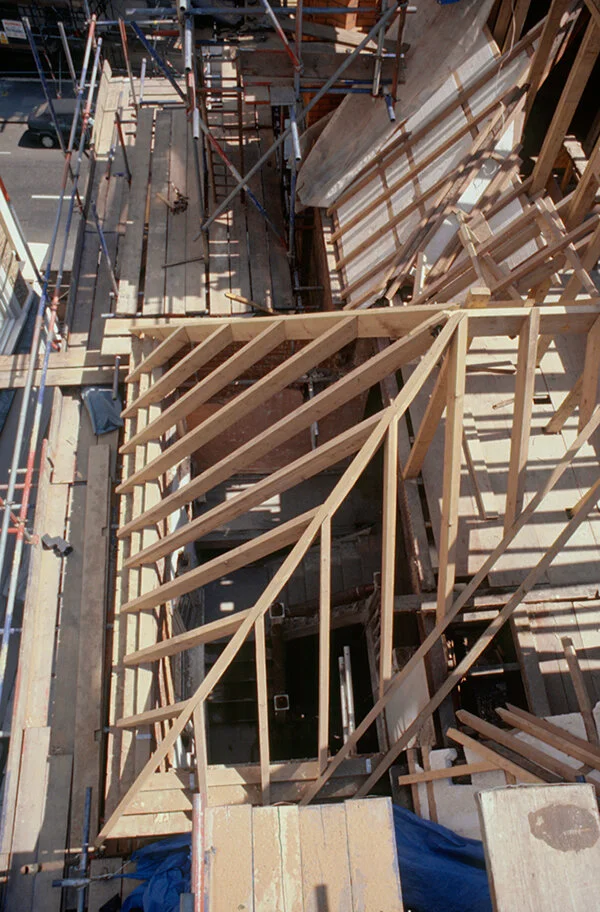
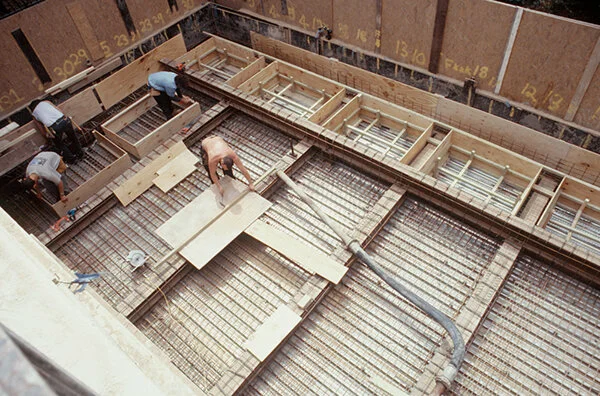
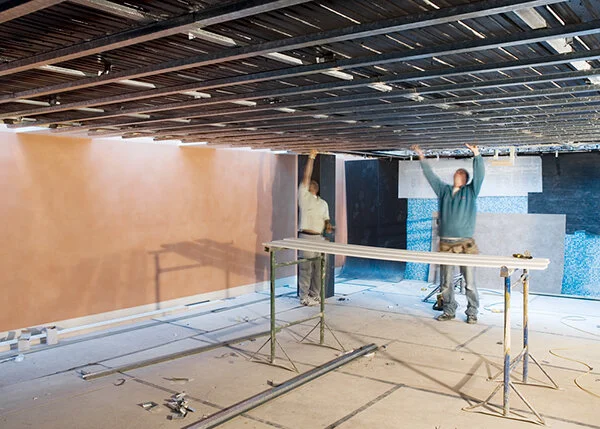
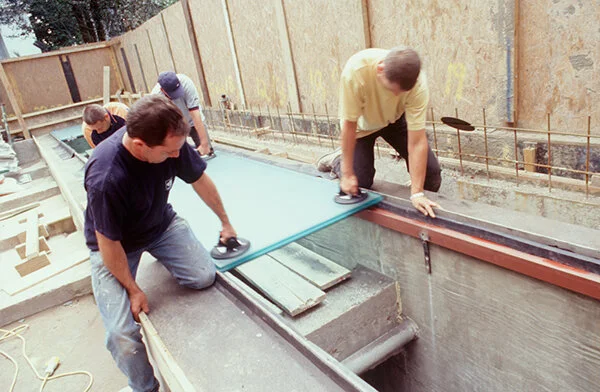
A conversation around the remodelling of this 4 storey Victorian House started over a glass of Petrus at dinner with a developer who was clearly out to seduce me into taking on the project. We started with a Pre-Planning enquiry to convert the existing 11 informally converted flats into a single ambassadorial residence. After nine Planning applications over 2 years the final designs were approved (whils’t a full basement under the main house and front & rear gardens were being excavated by my team). The new basement accomodation hosts a Gym, Spa, Sauna, Japanese hot tub, Steam shower and a 20m x10m Swimming Pool, Kitchen & staff accommodation. Within the 3m deep pool is a “rise and fall” limestone floor which I designed with a hollow tube stainless steel frame filled with expanded foam for floatation, an Aerolam Platform (as per the yacht hulls built in South Africa when I was a boy) on a stainless steel wire lifting mechanism operated by a hydraulic ram & pump. A wonderful French couple managed the manufacturing of the frame and then patented the system. When the ballroom is in full flow you would hardly know that a vast pool is beneath your feet. The garden committee would not allow machinery to access the rear of the site via the communal gardens so a narrow digger & piling rig had to fit through the existing narrow 900mm wide front door and the conveyors assembled in sections. My team of 22 workmen did a fantastic job with the excavation and we planned out the sequence of piling (as close to the boundary as possible without harming a single tree) The neighbours would hardly know that the queues of wait and load lorries & concrete lorries could load and offload in under 40mins. We used electrically powered conveyors & machinery to respect the neighbours. A solar powered system of heated water pipes was designed to heat the building and pool, but this was later opposed by the Planning Authority & Conservation Area Officers and had to be modified even though the solar panels would have been invisible from the street. Rainwater harvesting was planned for the gardens.
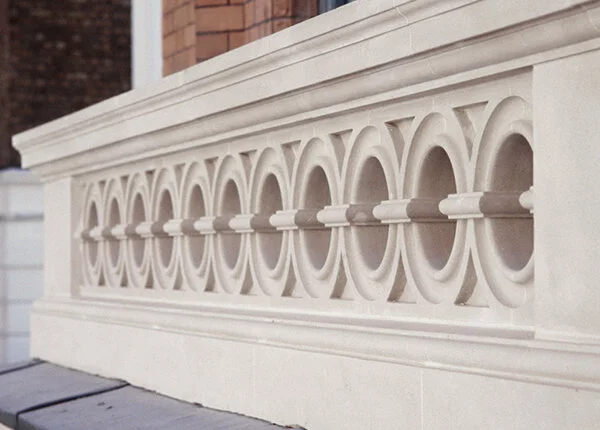
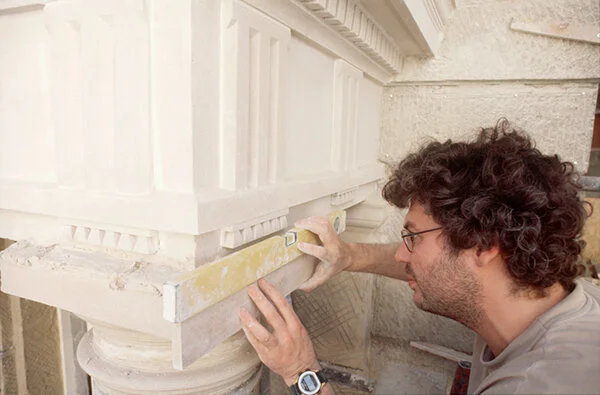
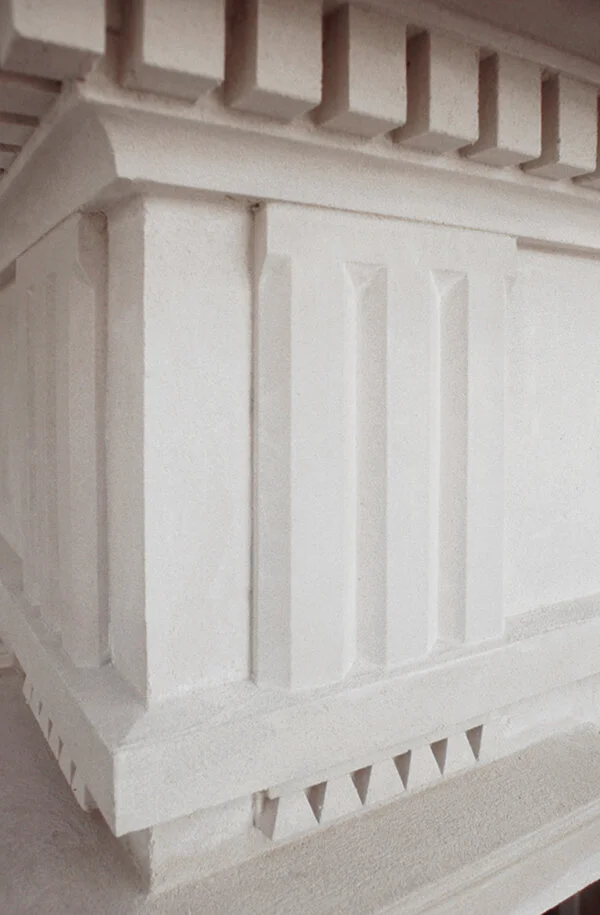
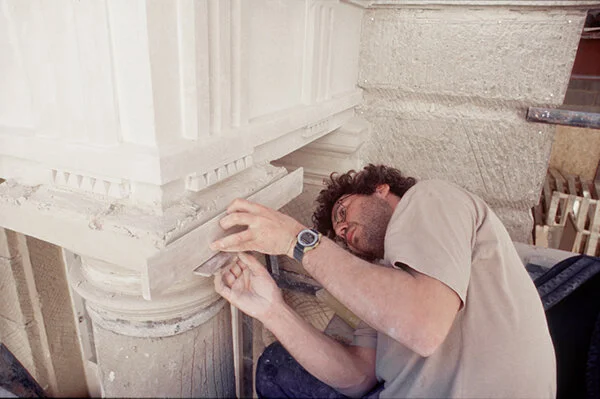
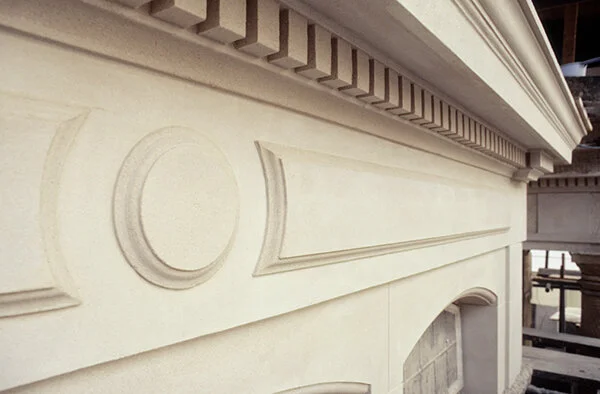
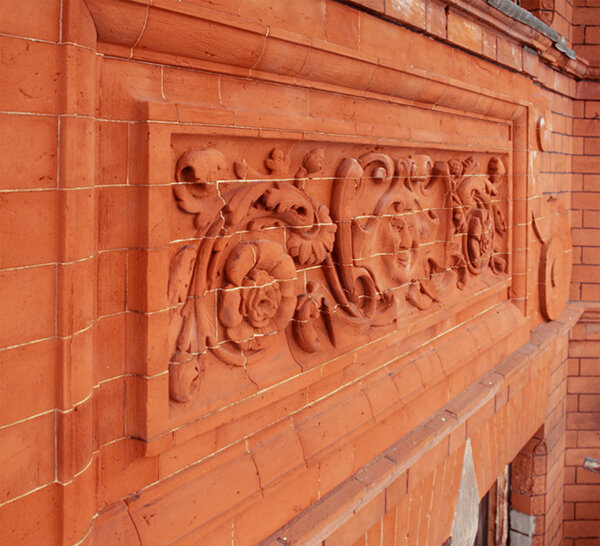
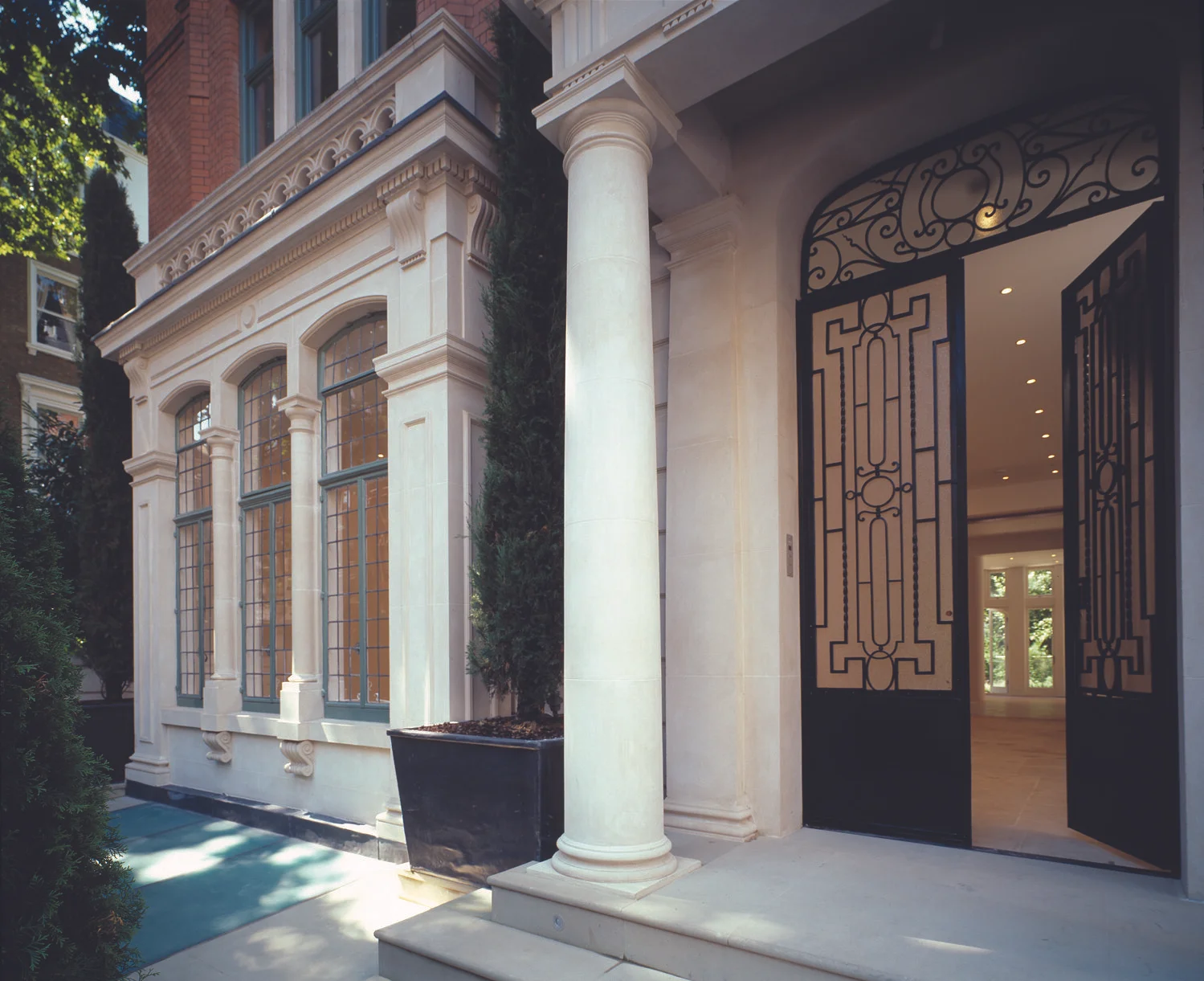
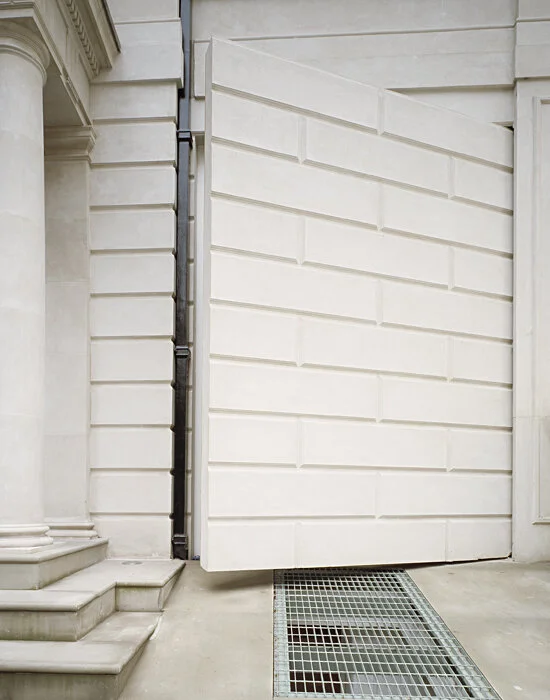
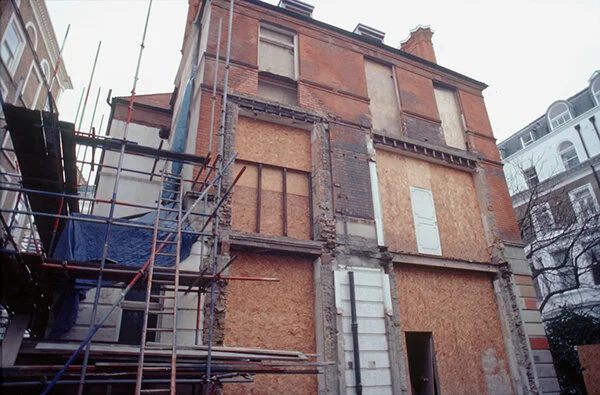
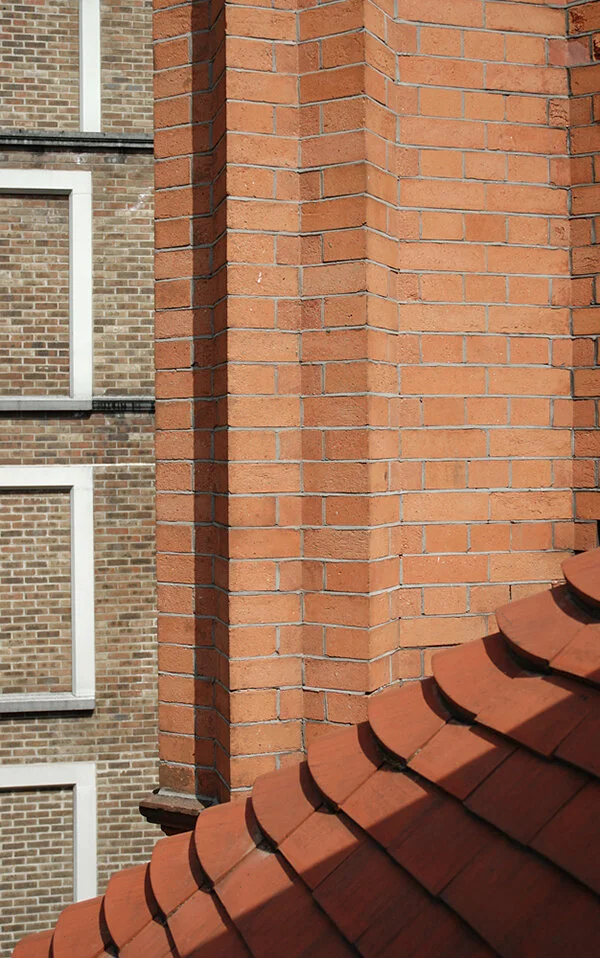
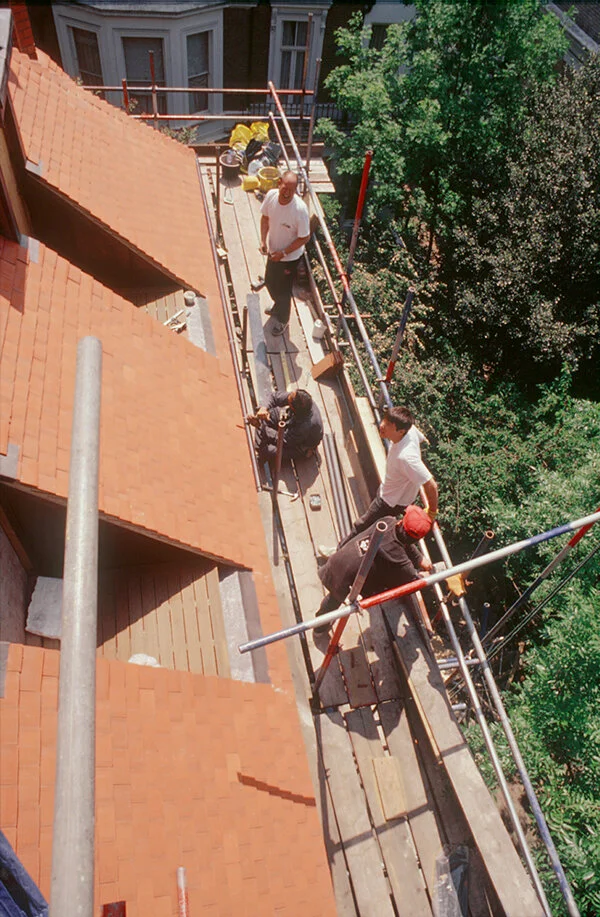
The front façade was painstakingly restored in hand made rubbed red brick to the upper floors. Portland stone aggregate stucco with mouldings to match the original fragments were hand crafted to the lower floors. A two storey section of façade “wall” pivots open to allow vehicular access to a car stacking system beyond a secret opening in the London railings. I purchased the front door assembly in France from a scrap-yard near St Emillion (not without a visit to the Pomerol vineyard of course) and the grillage was discovered in a flea market in Paris (whilst I held my photography exhibition in Saint Germain I got a whisper of where to go). The entrance hall flagstones I found in a yard in Brussells and the French parquet oak flooring was cut from upcycled antique oak beams by Achterhuis in Nantes.
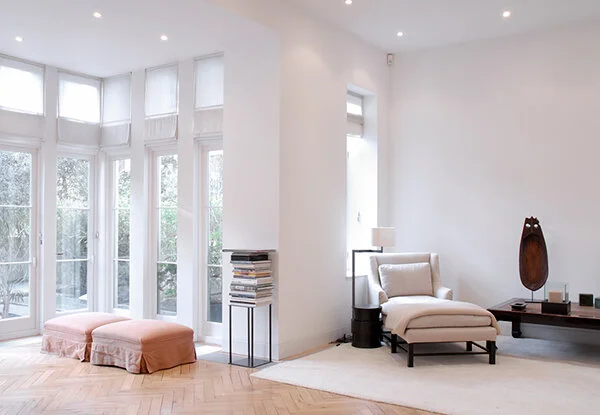
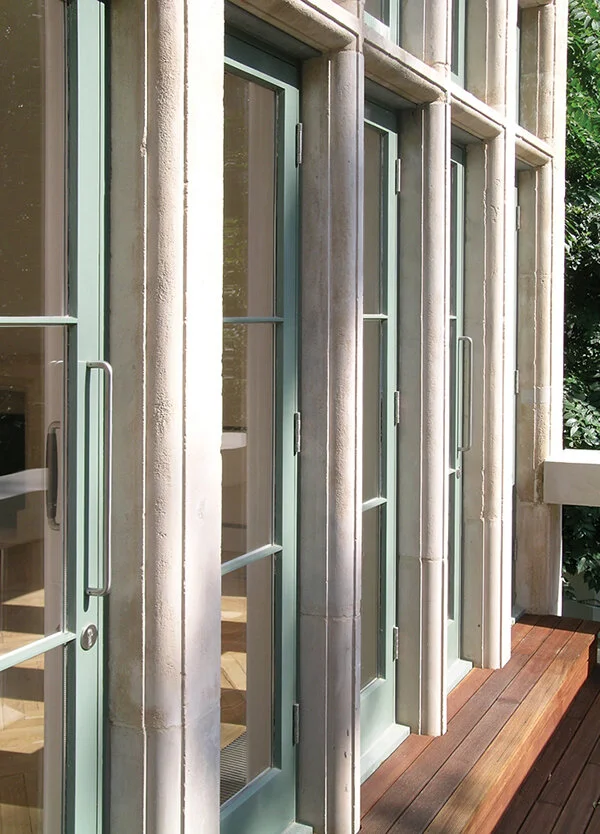
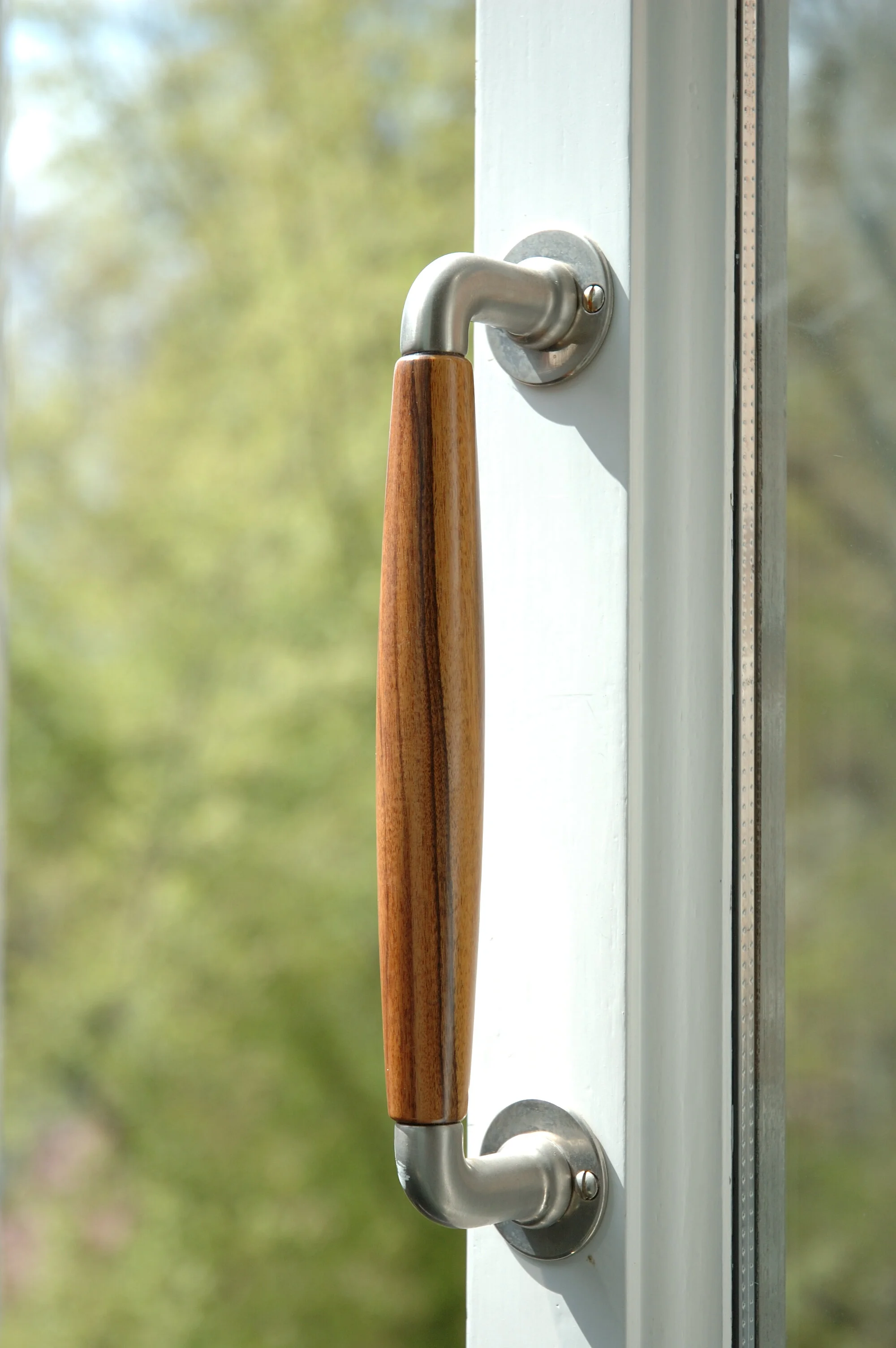
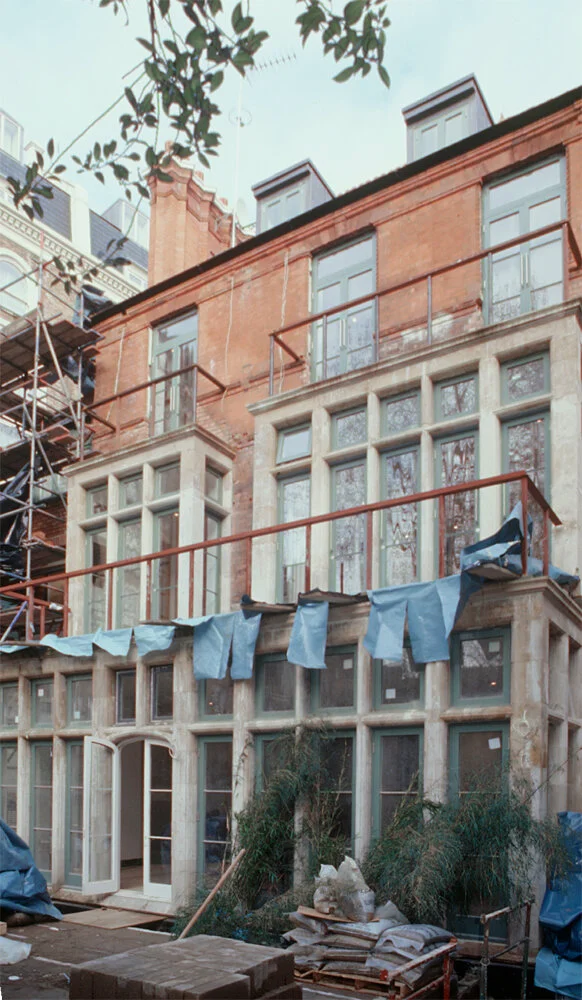
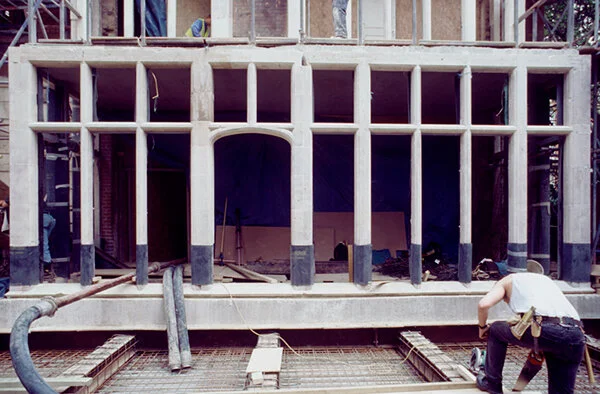
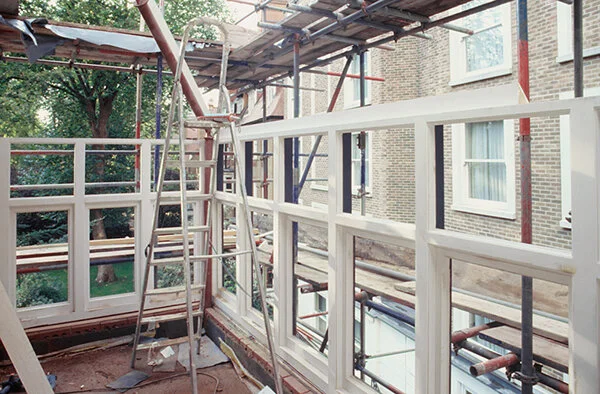
Two side extensions were added over 2 floors capped with glass conservatory roofs and the rear elevation was reconstructed to provide balconies over 4 floors with wonderful views over Weatherby gardens. The fragments of carved stone mullions were salvaged and fibreglass moulds made (same technology I used in making surfboards). We then fabricated the new precast stone mullions and spandrels around a welded steel frame and inserted the new tall French doors and windows. I designed the door handles to recycle the remaining oak from the floors.
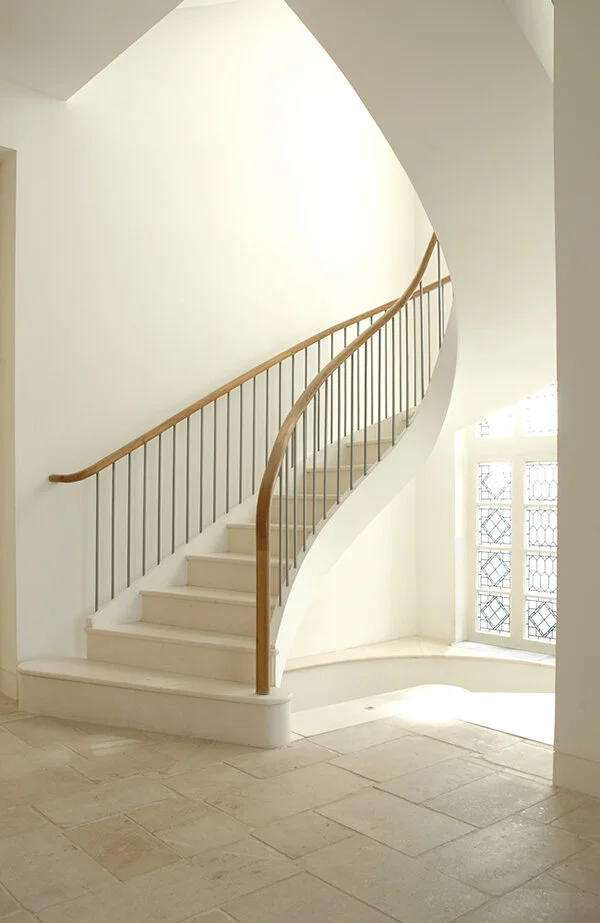
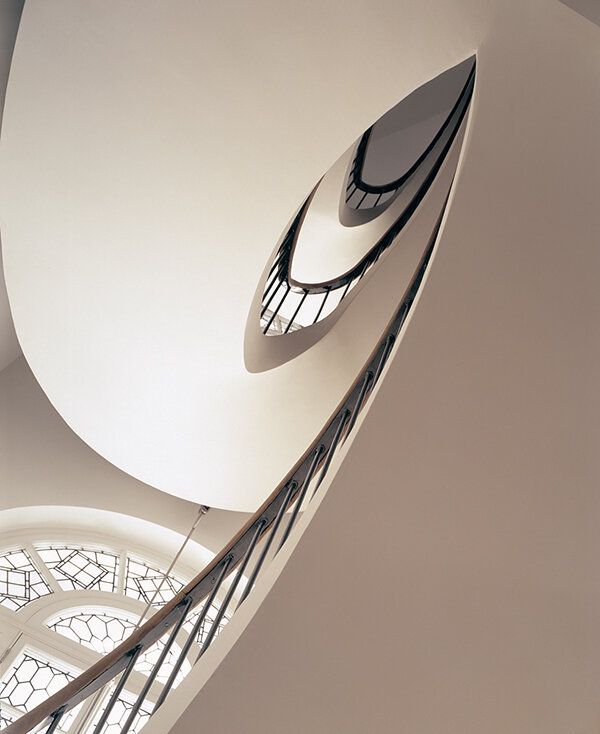
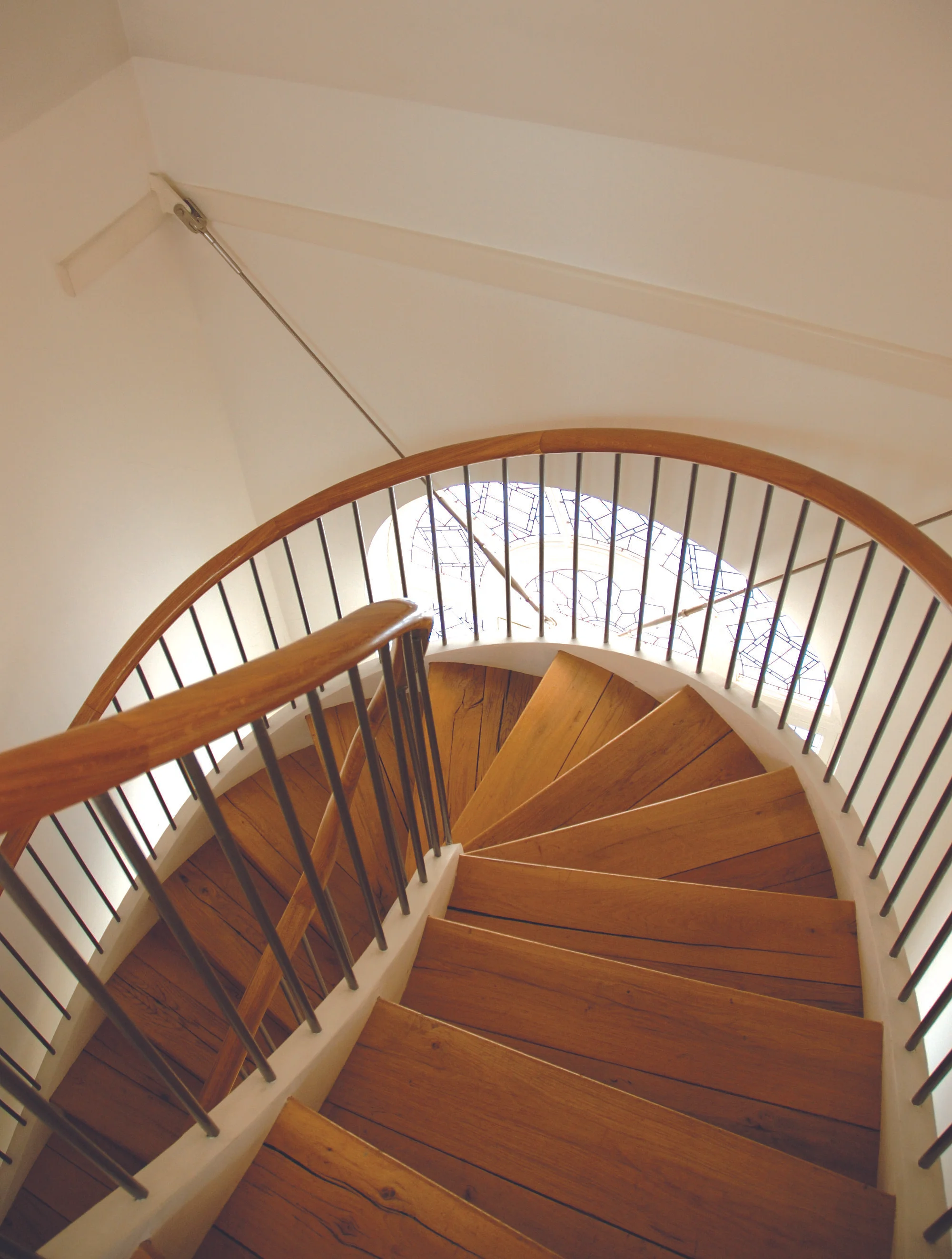
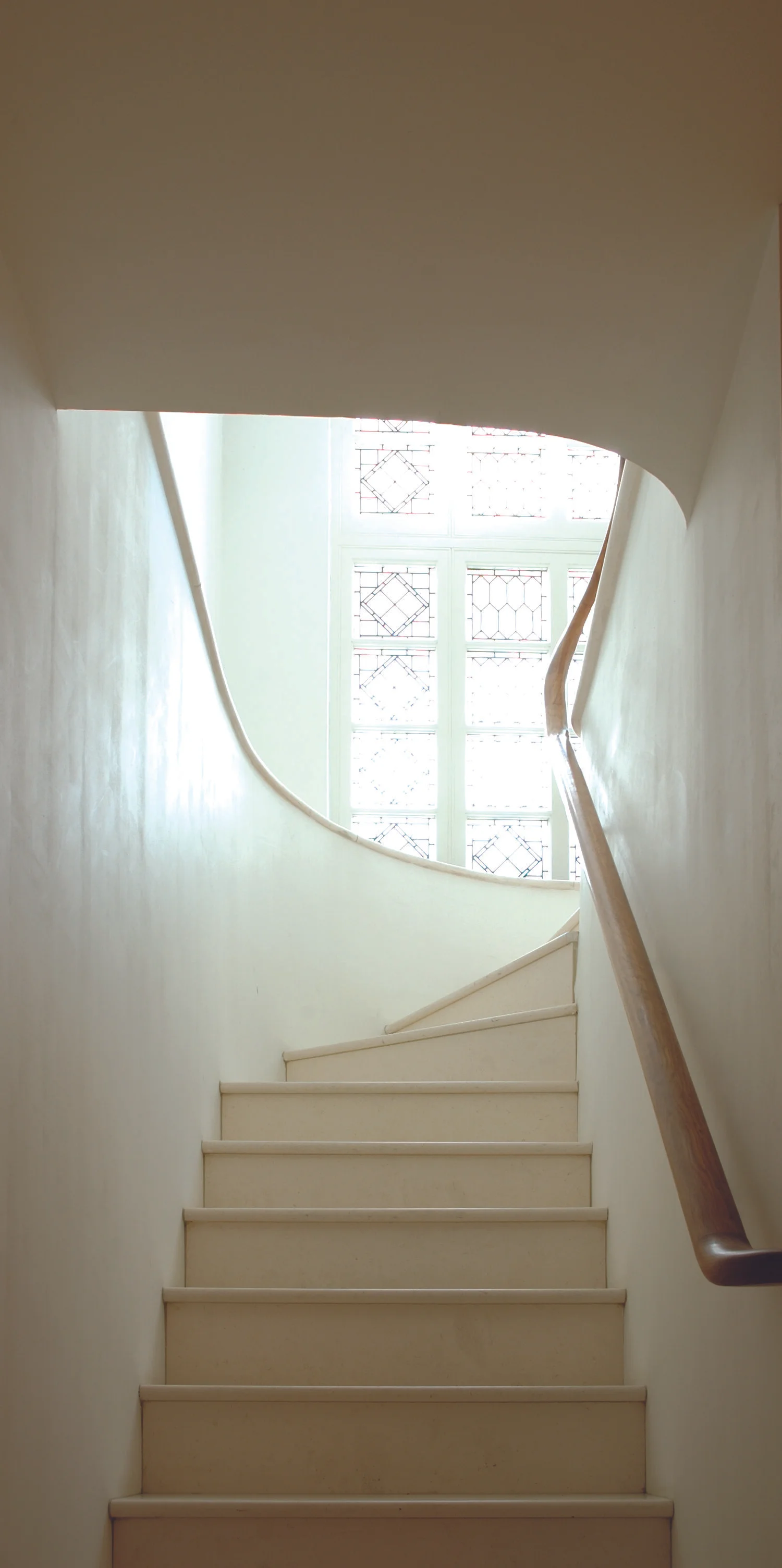
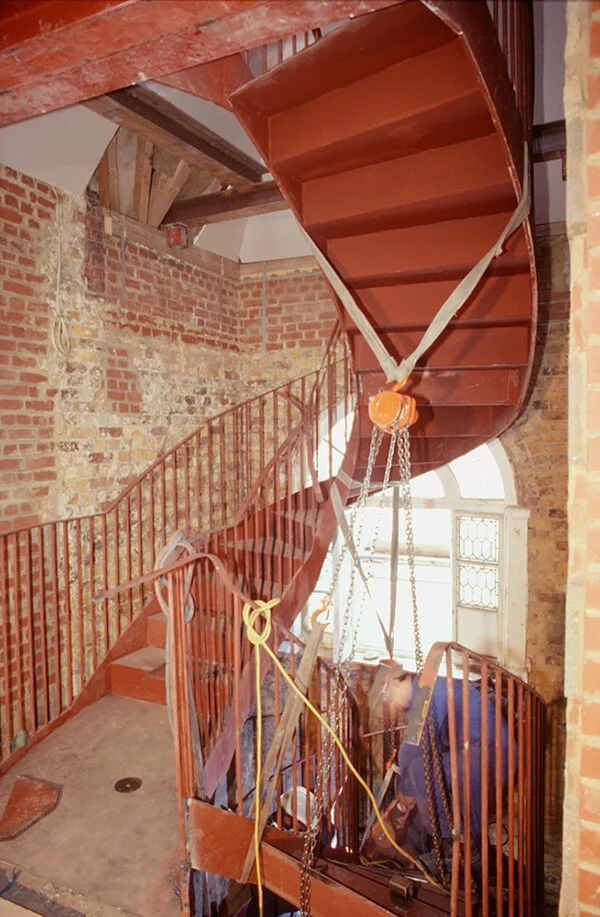
The original sweeping stone staircase had been lost over the years so I designed a helical spiral staircase hung from the roof into the 4 storey void. This was made in sections which we set out using string and full size newsprint rolls on the floor. We then clad the steel frame in mesh and formed the sweeping stone aggregate plaster to emulate the original carved stone stair. The treads were clad in reclaimed French oak. A beautiful arts and crafts stained glass window was renovated and restored by Mark Gerstein (a former client who specialised in stained glass & whose factory I designed) and this backlights the suspended staircase.
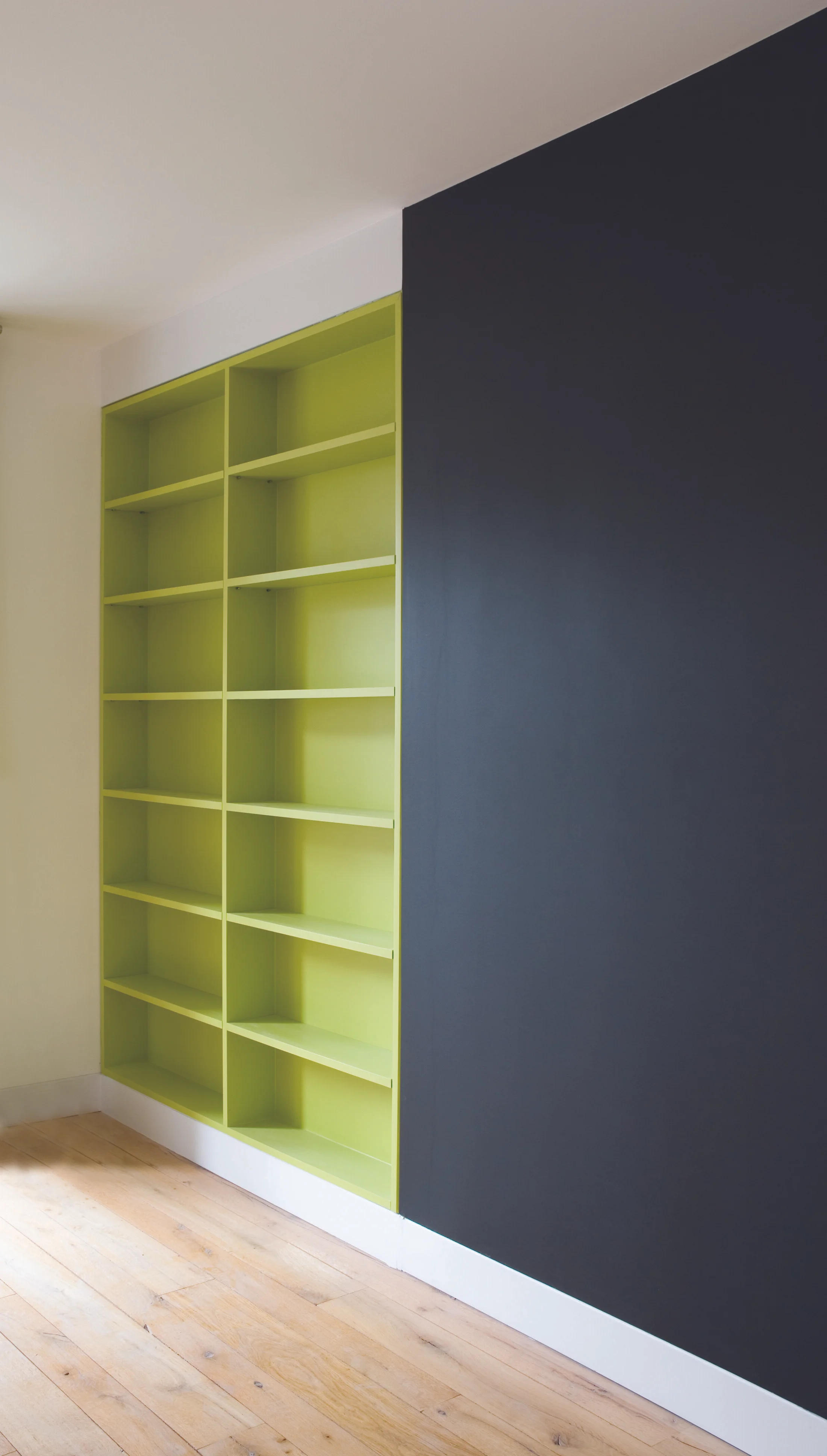
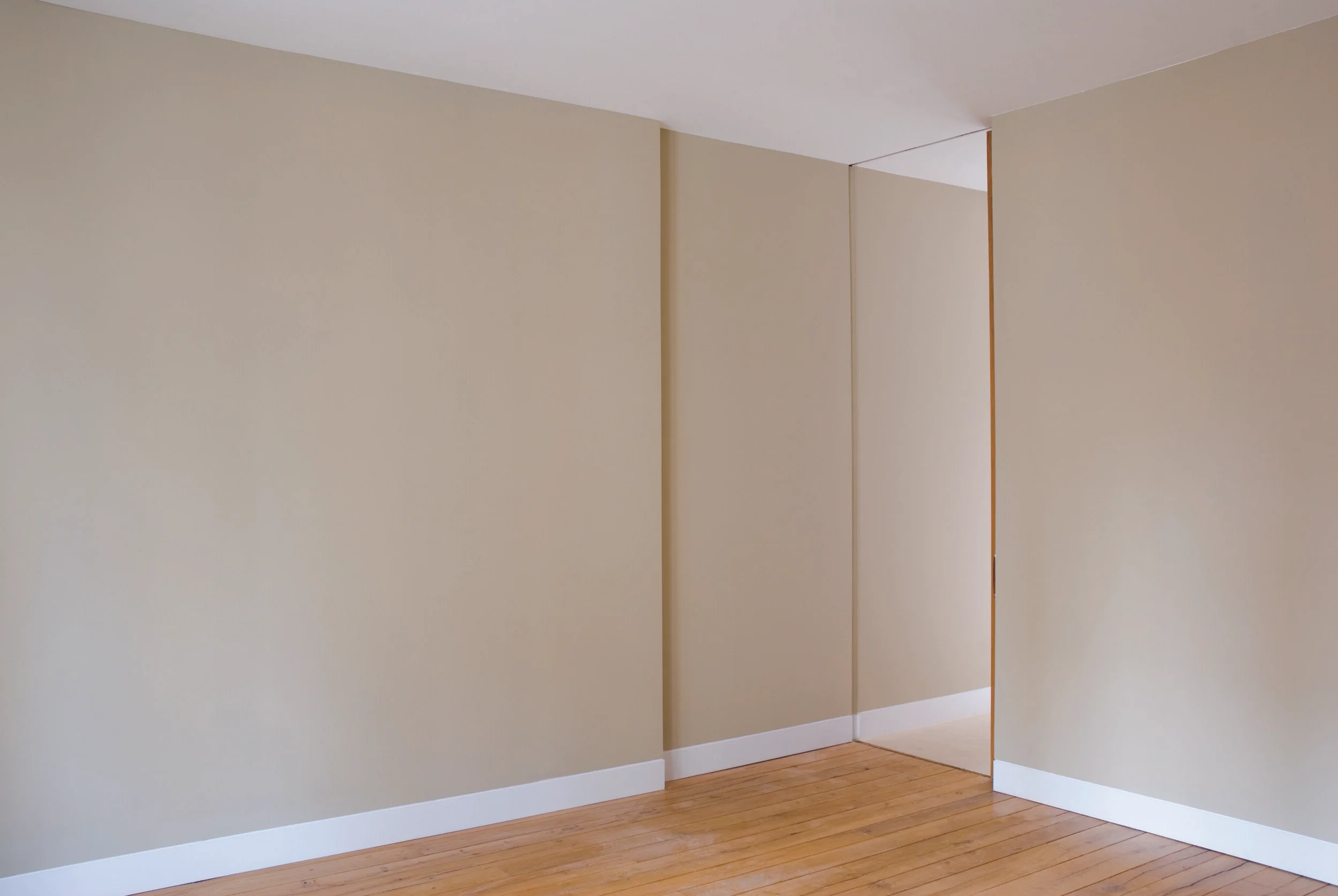
We installed a secret elevator for disabled access and this served all the landings with ample space and light. A secret dumb waiter behind panelling brought food from the basement Kitchen to all floors. Each floor had suited bedrooms (11 bedrooms in all) with wet-room bathrooms and walk in dressing rooms. Floors were upcycled oak with rugs for comfort and dressing rooms were made in solid hardwood lined in folded felt. Rooms had high corniced ceilings with white walls and bold splashes of colour on feature walls to create focal points. The east/west alignment of the landings and corridor gave views right through the house to the rear gardens when all the double doors were opened and celebrated the solstice alignment.
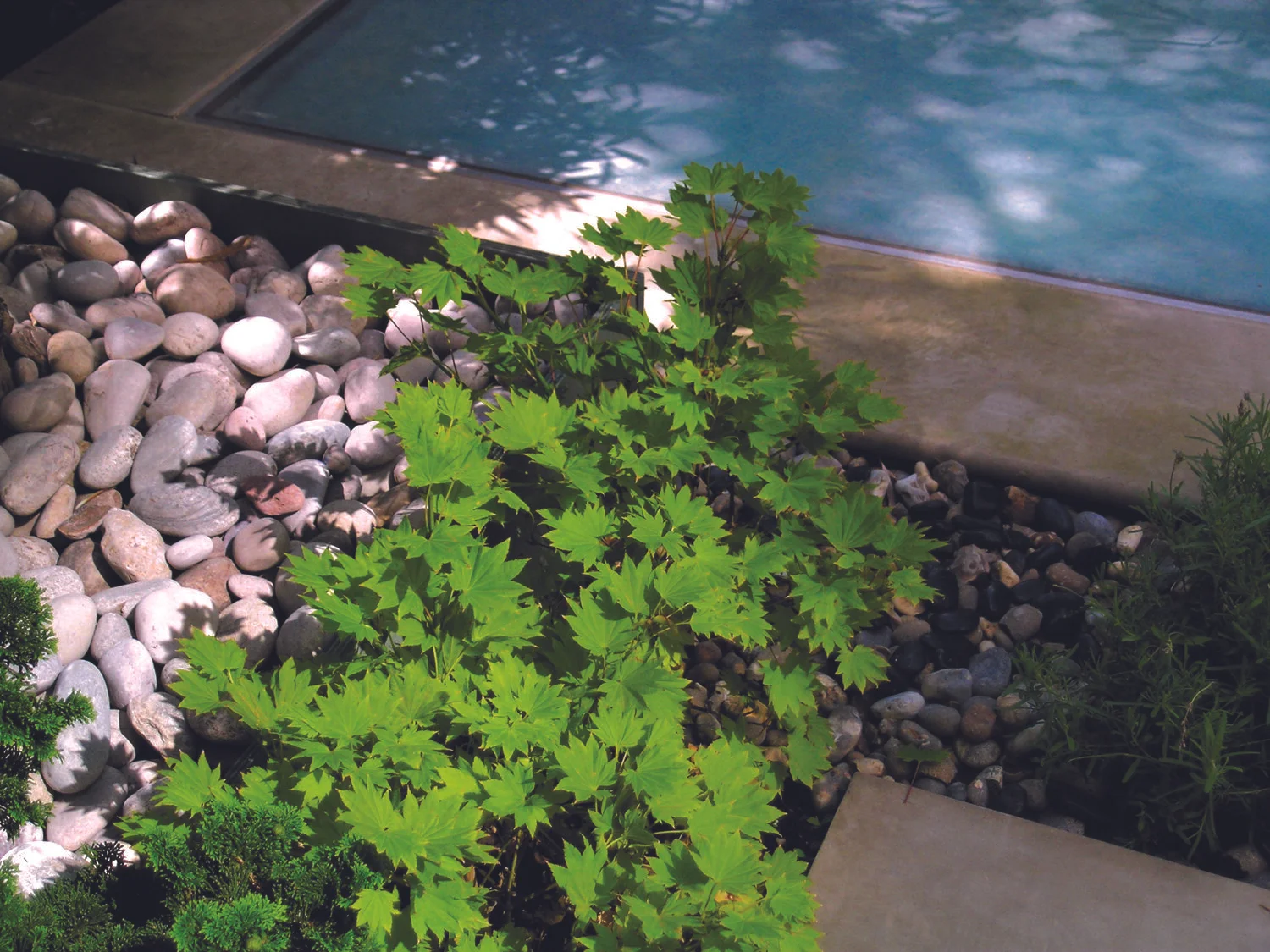
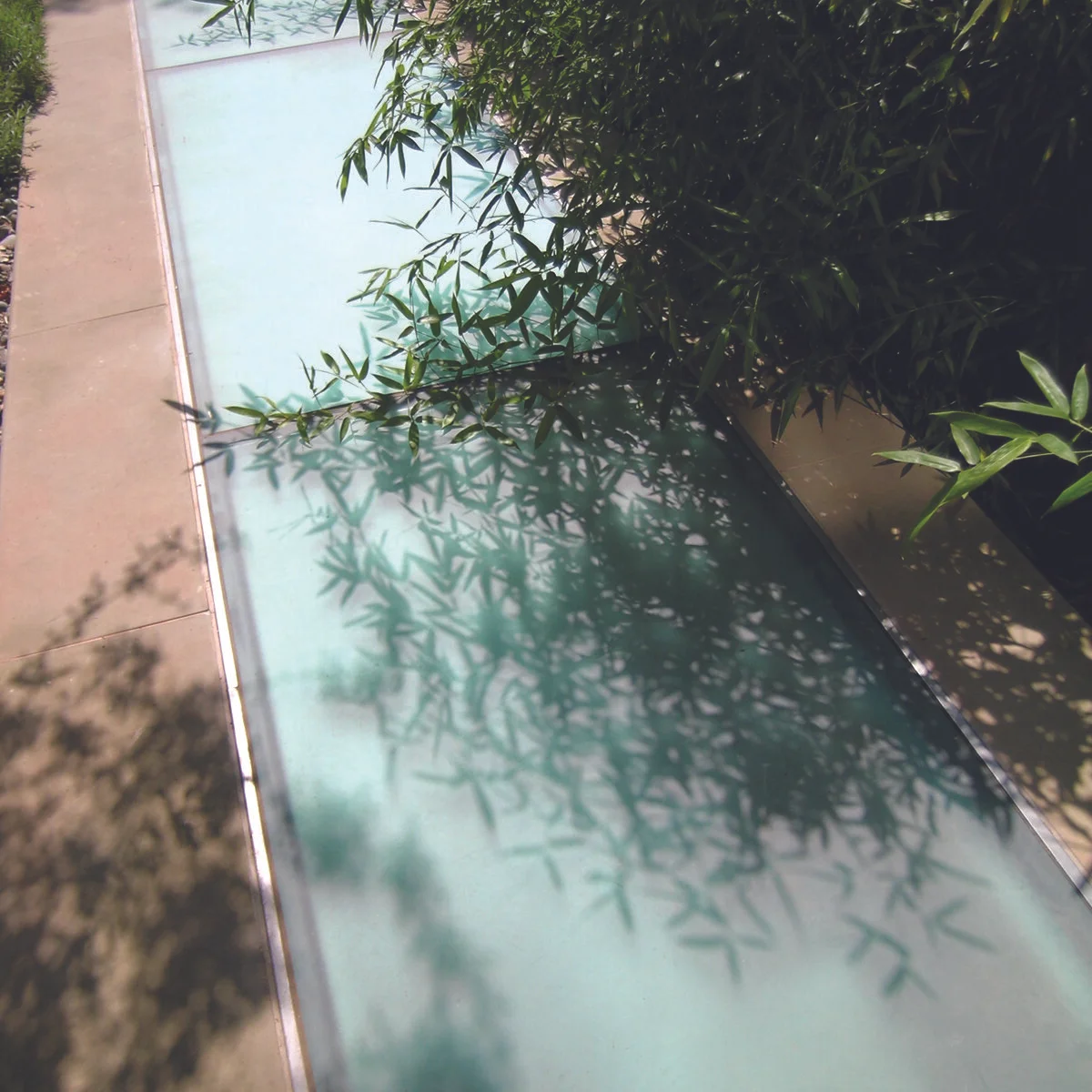
The rear garden was designed as a Japanese garden and terrace facing the communal gardens. The tall French door array would brush the lavender trench below to scent the garden with each door opening. A retractable glass rooflight brought fresh air & sunlight into the pool below.
Its affectionately known as “The James Bond House” because of all of its secrets.
I built the building with my independent construction team.