
THE LONDON HOUSES - Residence @ Phillimore Terrace
Phillimore Terrace - Residence
As a 22 year old ex-student, opening your first Architects office in the heart of London’s Soho was a daunting prospect. Of course we hardly slept and were always hungry and, after some years, we met our new neighbour who had just opened his first restaurant. We quickly became locals at his restaurant and were always full of advice and design ideas for the new soho eateries. New restaurants and night clubs were all the rage & we designed (and often built) them as fast as we could.
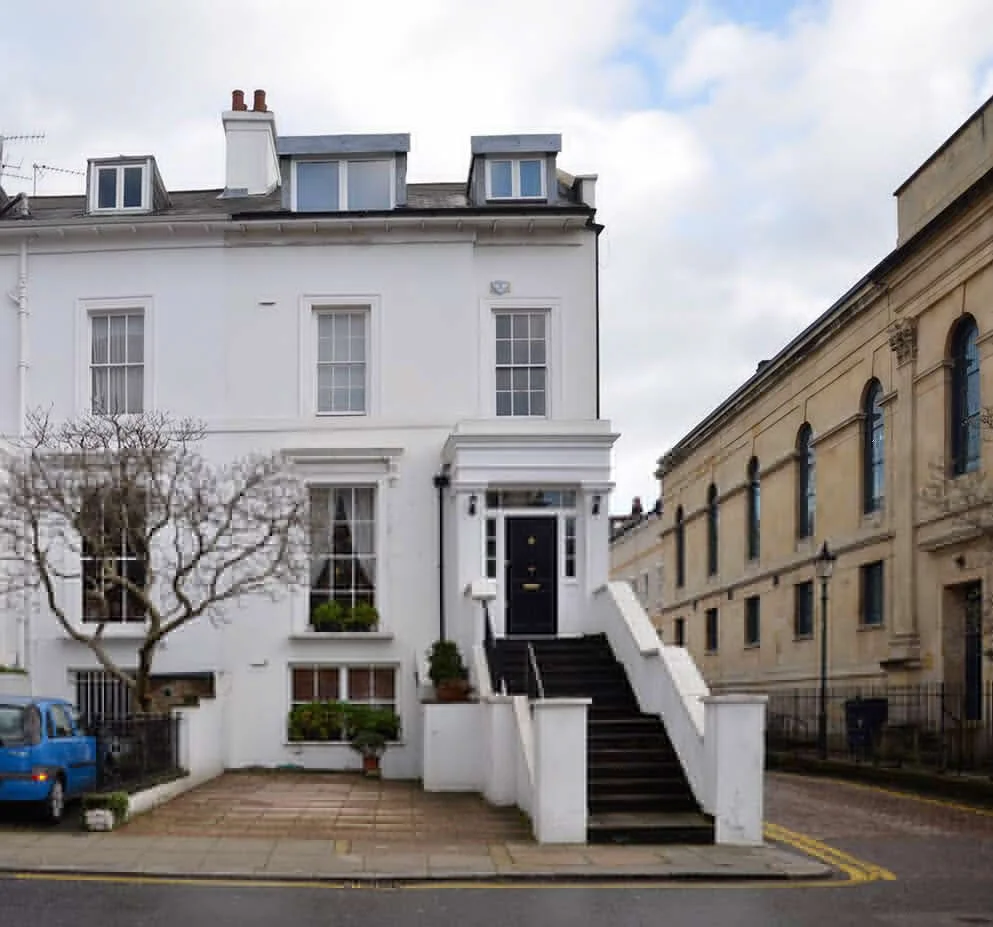
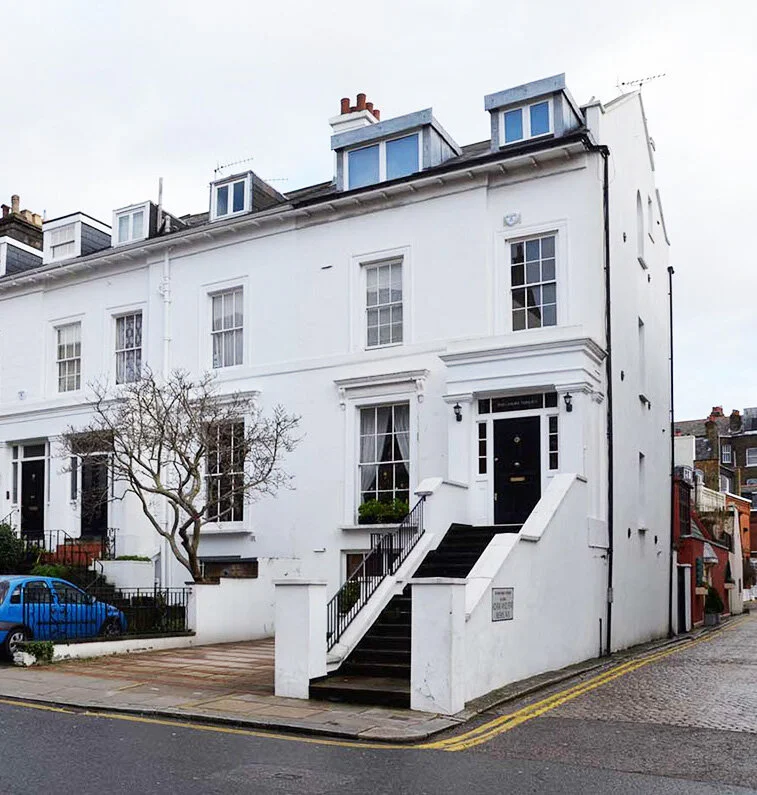
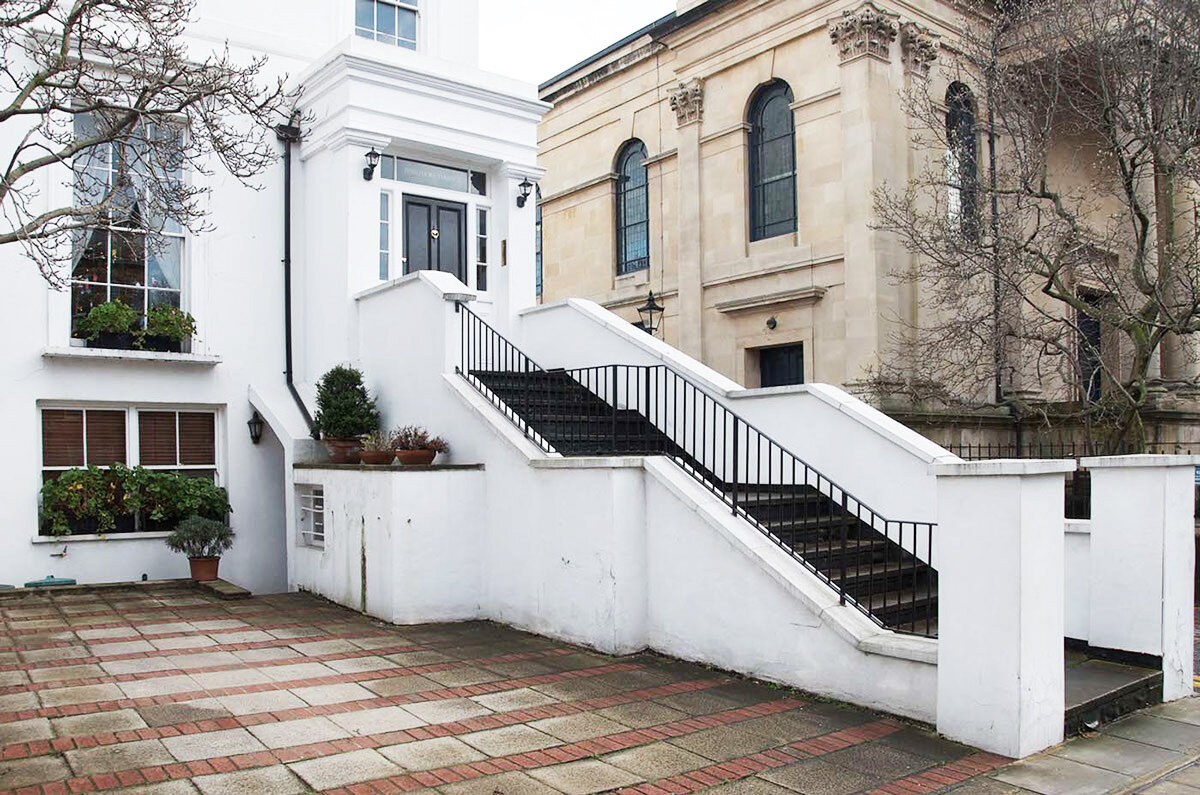
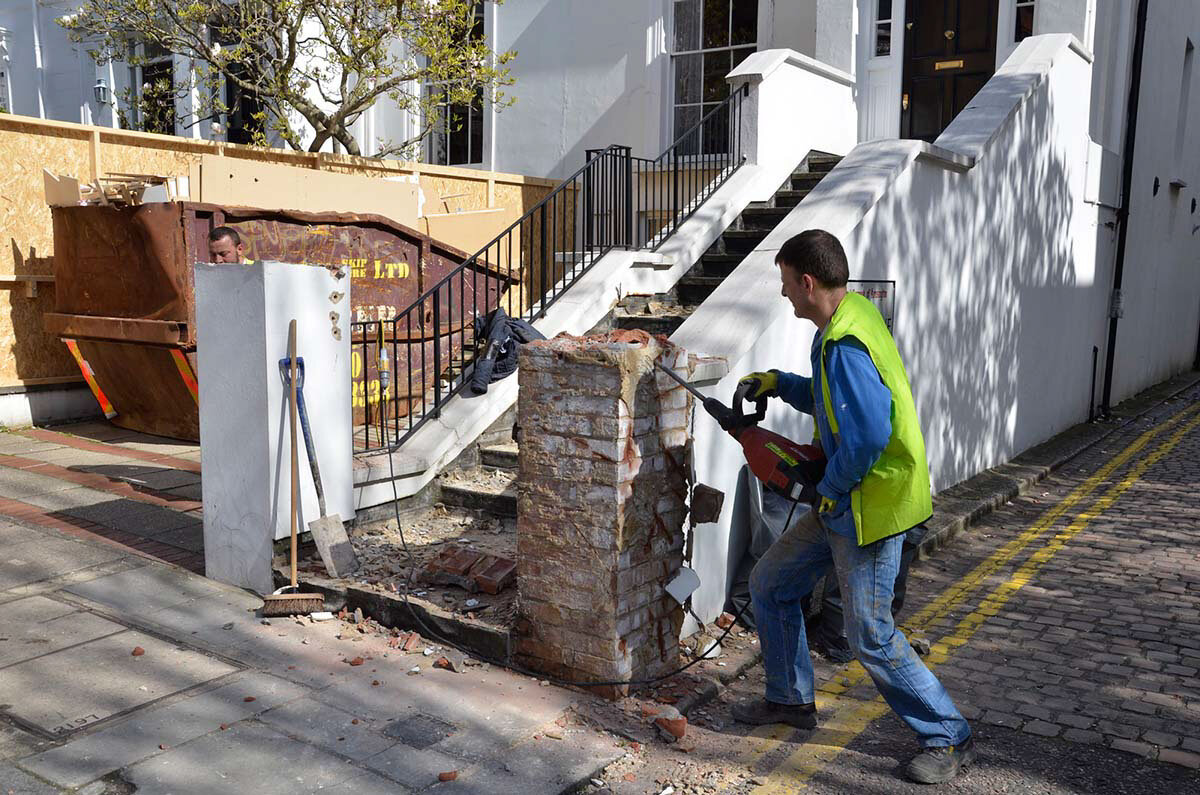
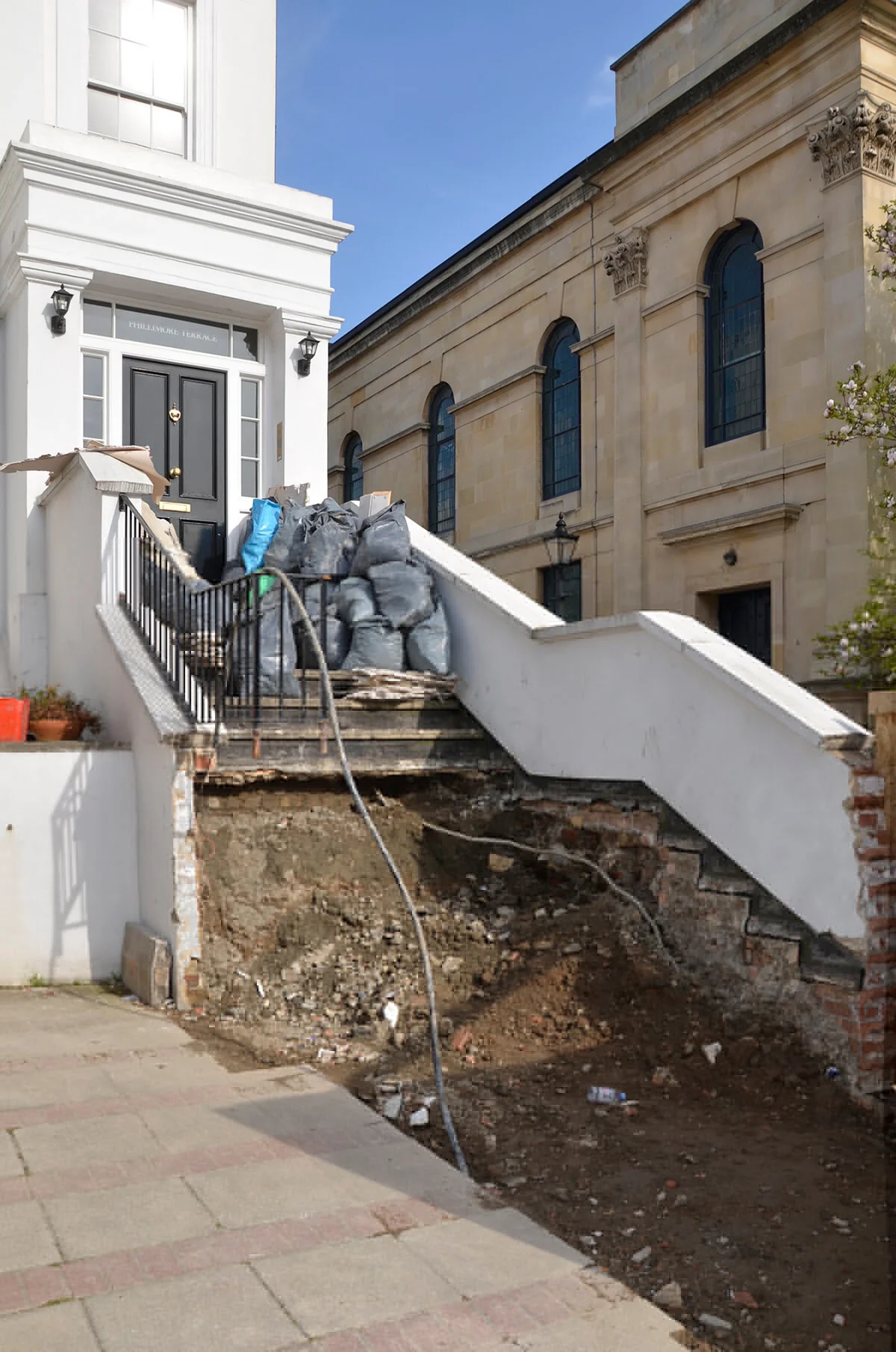
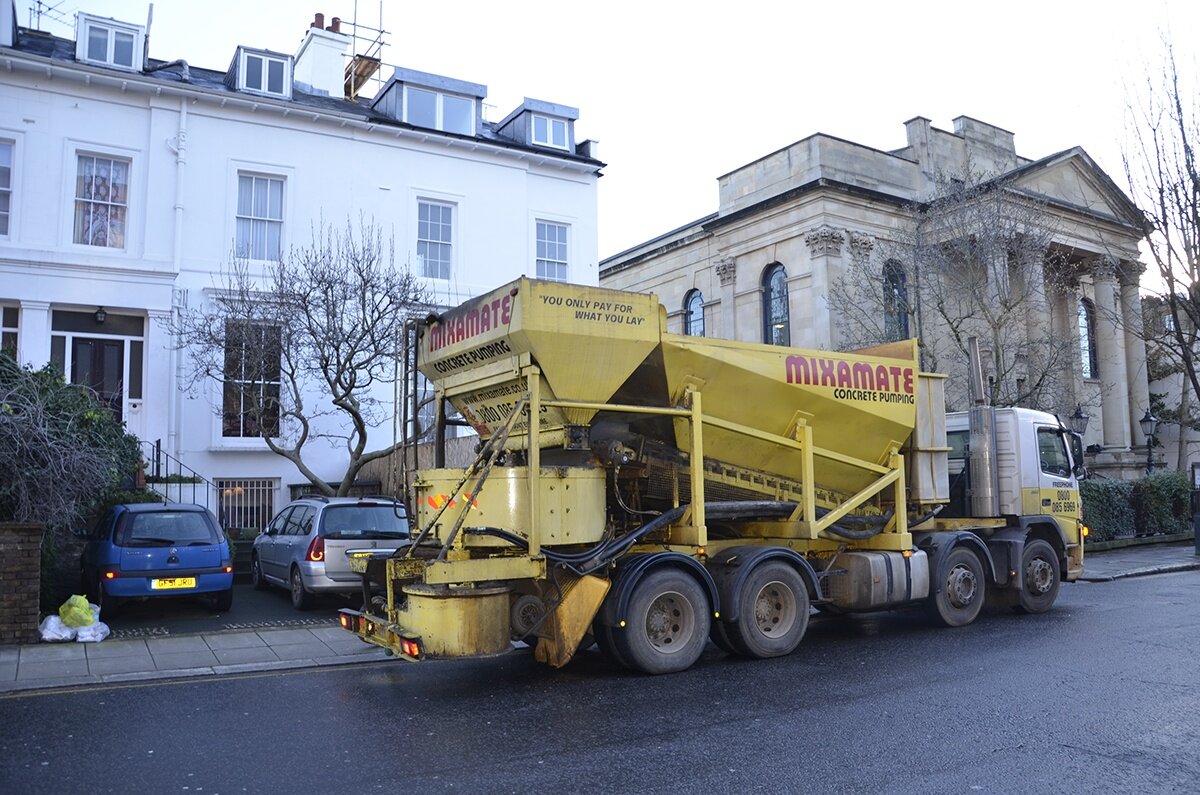
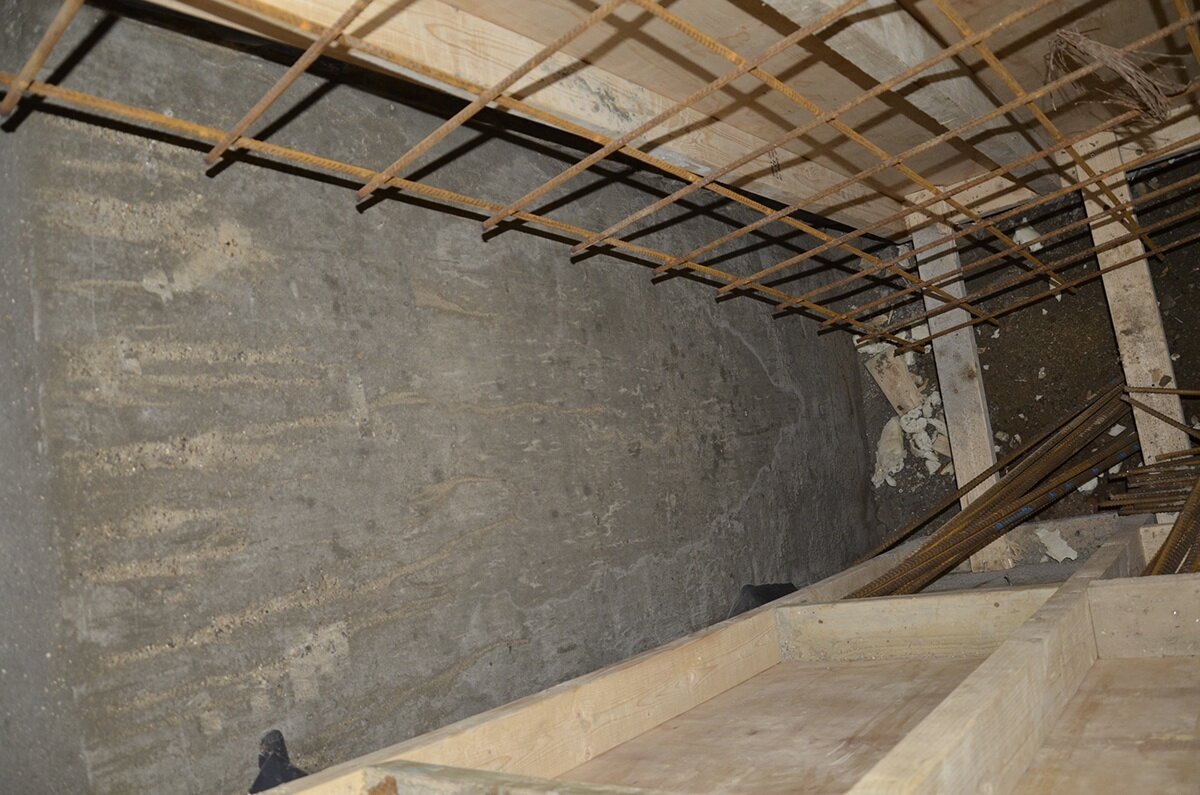
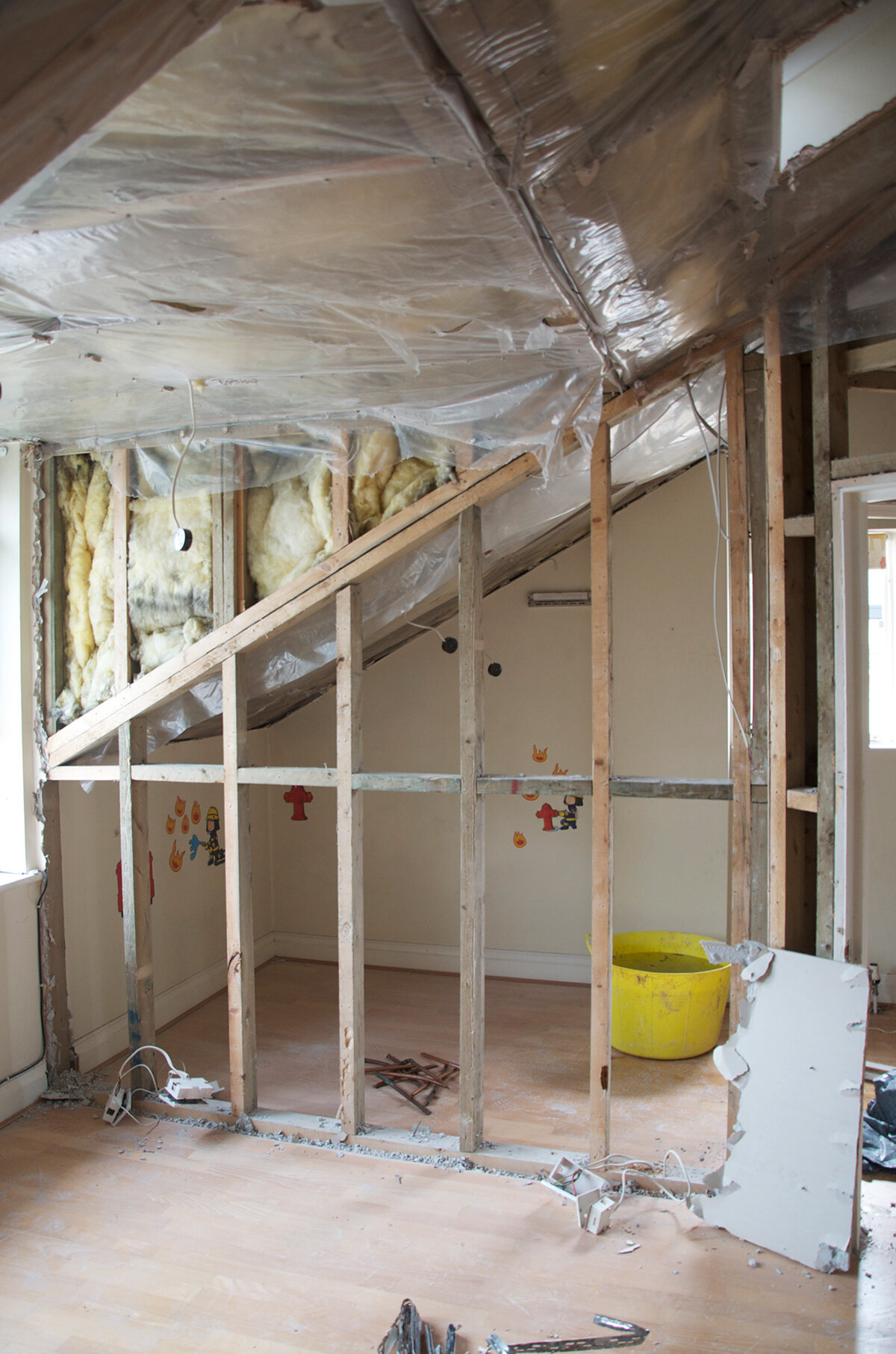
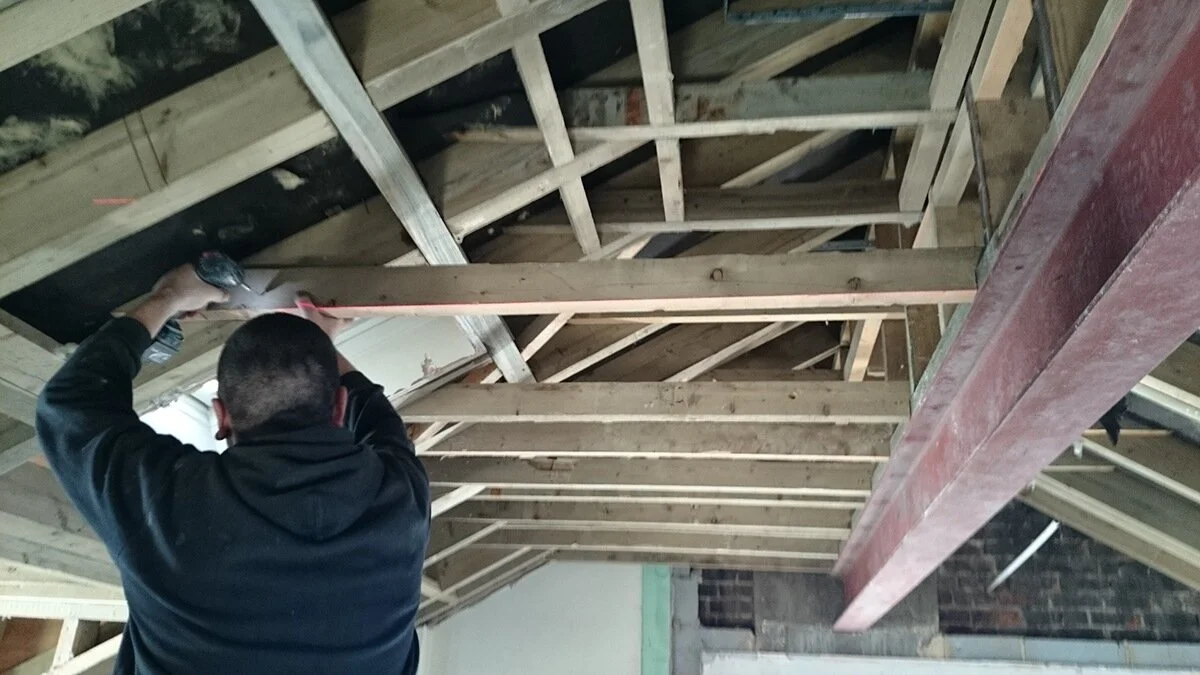
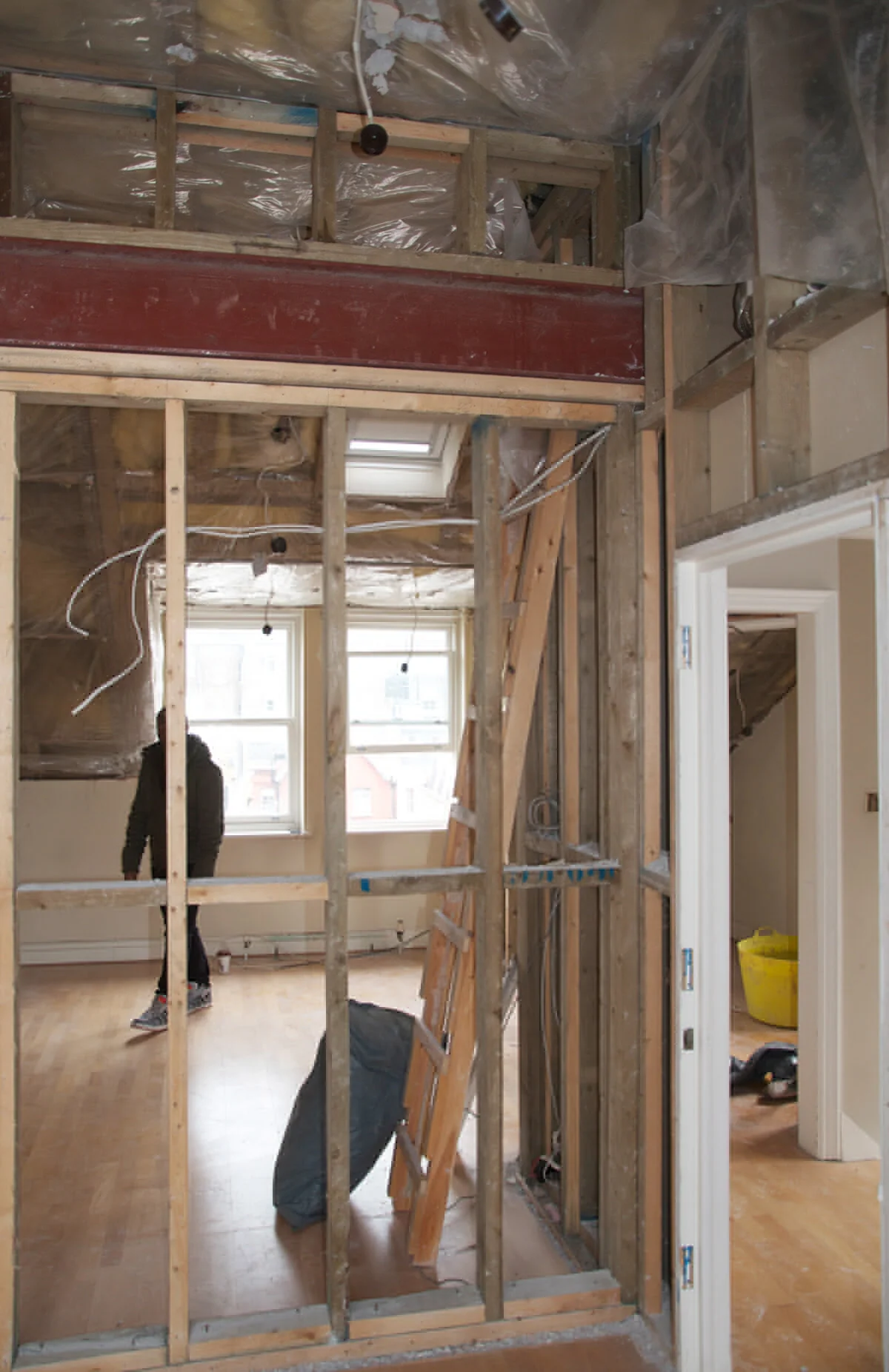
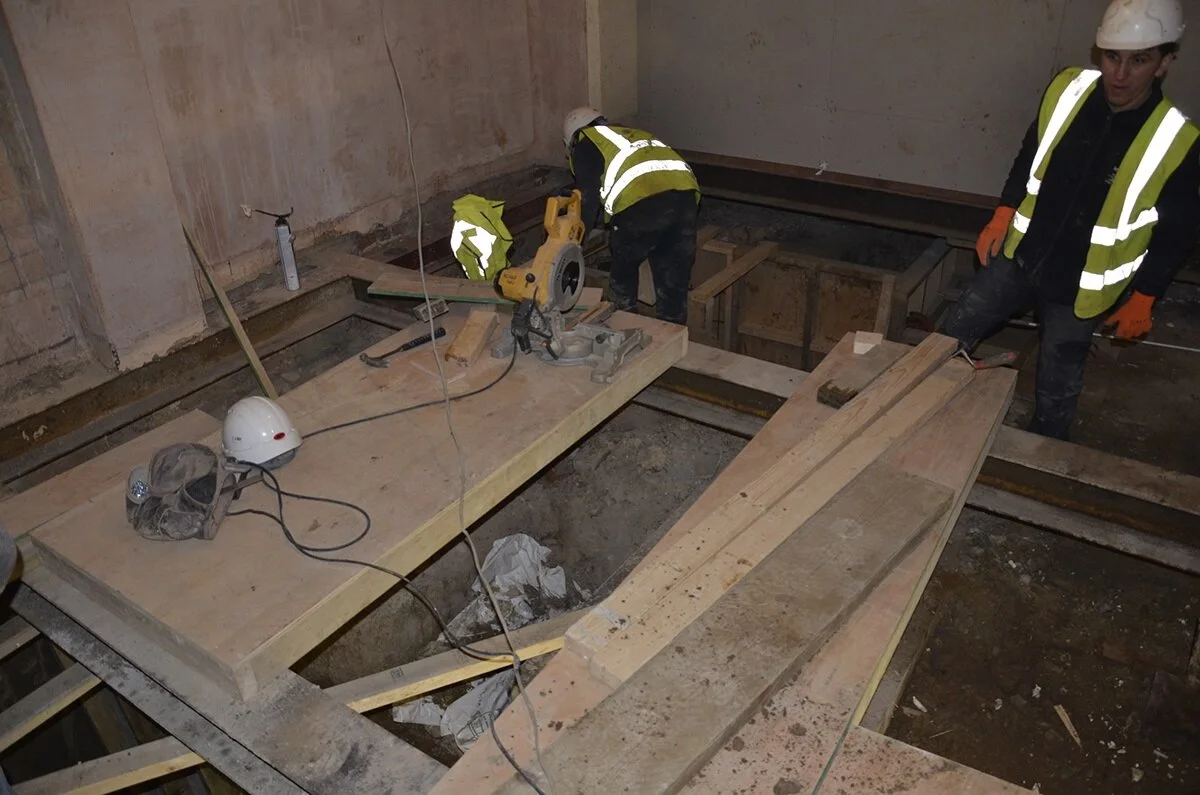
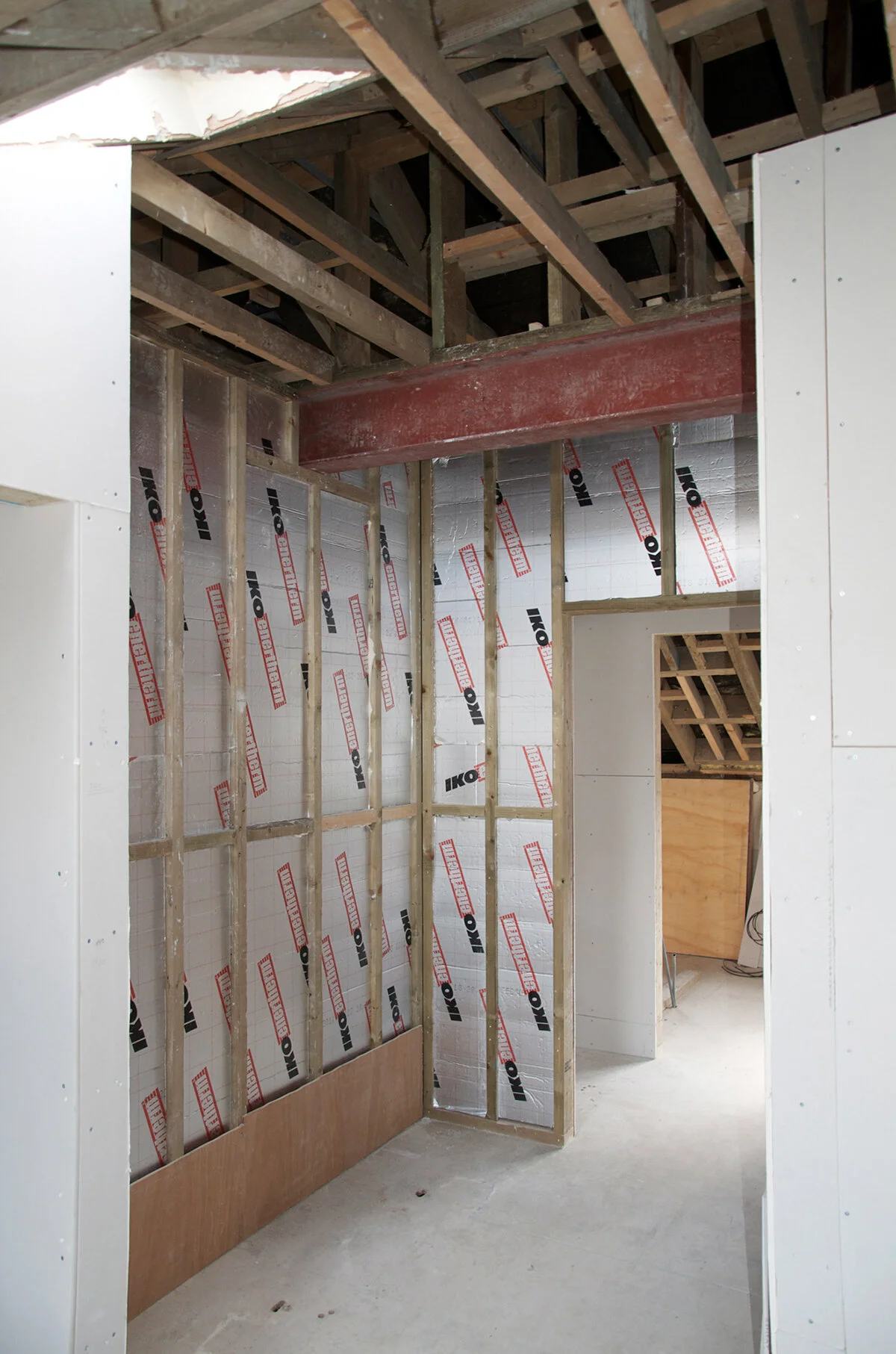
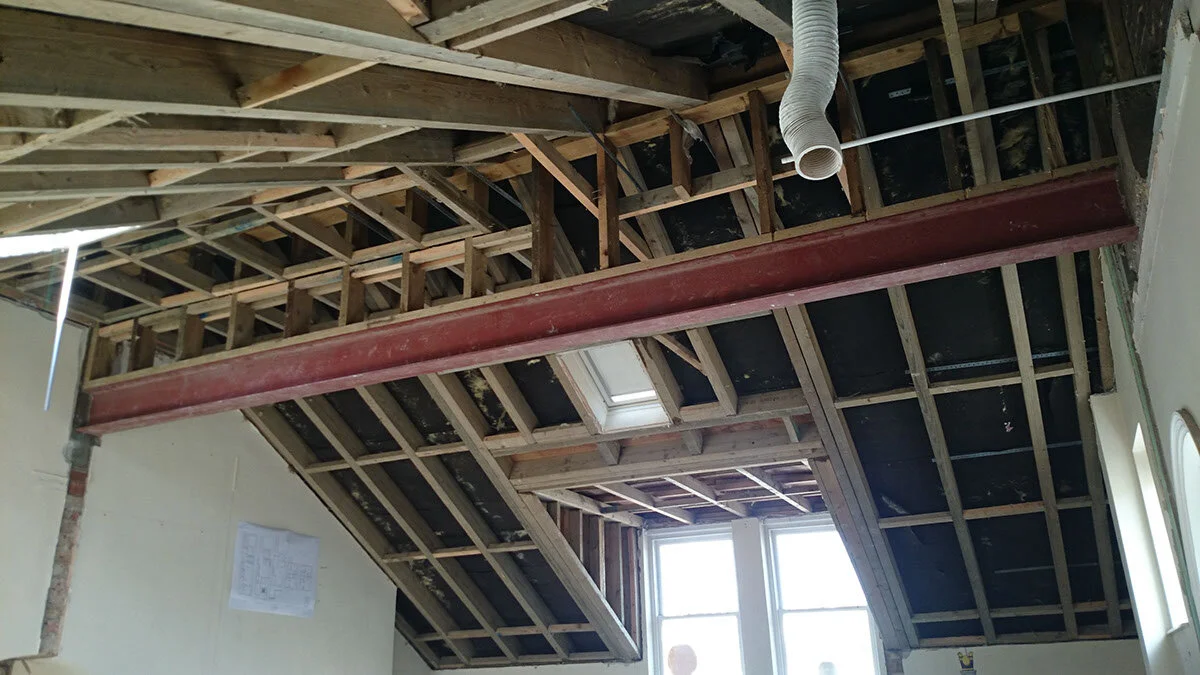
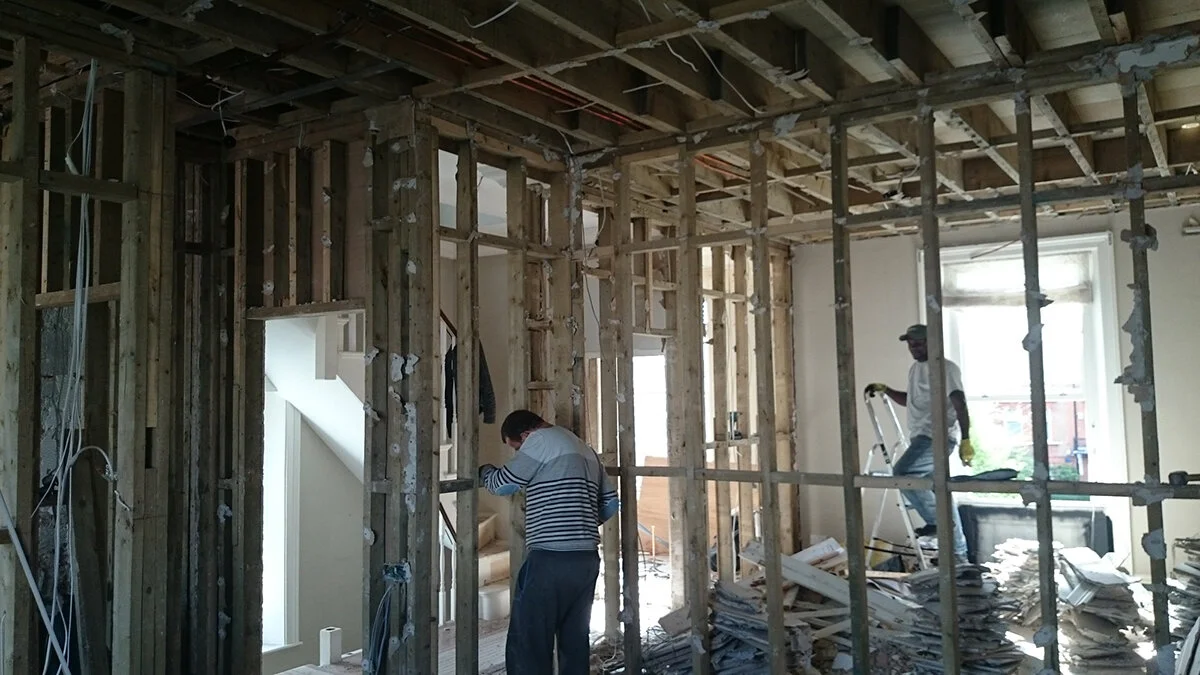
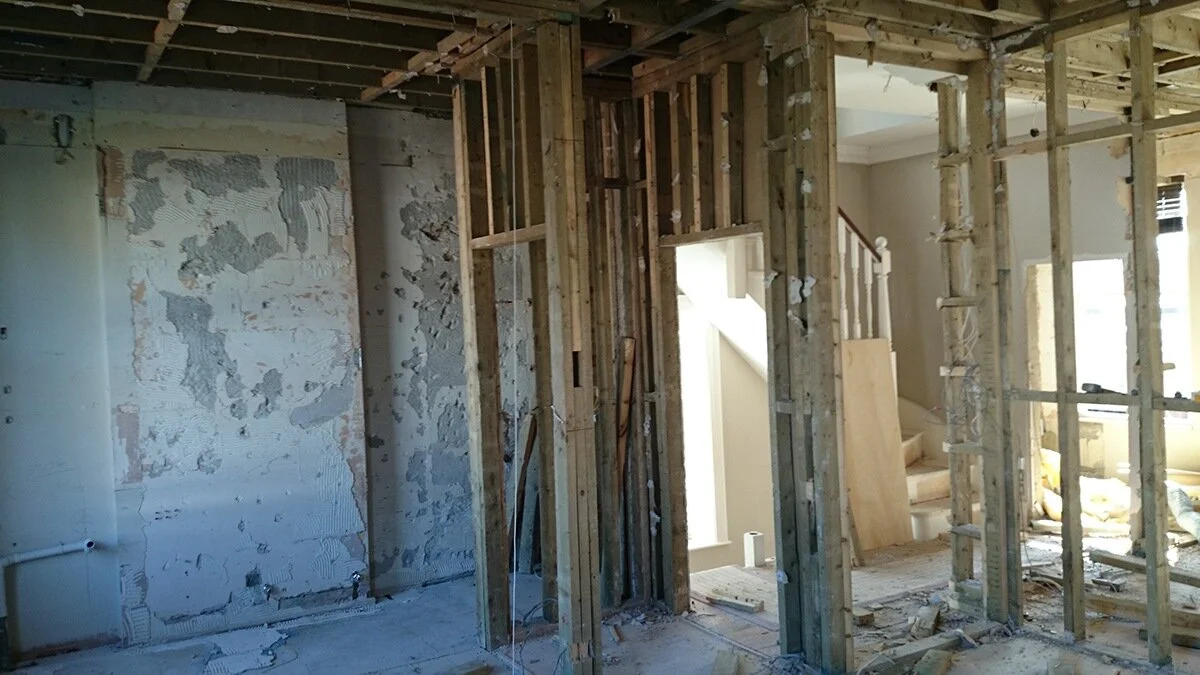
Little did we know that 30 years later he would become our client again. His house was an end of terrace, late Georgian, row house with a collapsing side wall fronting onto a busy mews and church. The project required complete remodelling of the house, but the most difficult task was always going to be the construction of a full basement without the whole side wall of the house collapsing. To make matters worse a large construction project started on an adjacent site within a week of the project commencement date and concrete lorries and waste away trucks induced huge lateral forces from the road towards our basement excavations. Whist it was permiitedl to excavate a single storey basement below your house the Local Authority Planning team were under pressure from local residents to control basement developments within the Borough and were making constant visits which inhibited the flow of construction works. The upper floors and roof works were quickly completed to a painted shell finish within 6 months, but the complexity of the basement works were our biggest challenge.
I had invented a system of basement excavation when I was 24 years old for a soho job which we called “Route 66”. This was later re-named “Route 69” after we found that one of our clients had a mistress who worked a lot of “night shifts” at a well known Soho “Revue” bar. It involved digging a central runway/ trench approx. 1,2m wide down the middle of a house relying on the old 45 degree rule of soil repose, lowering a narrow digger into the central basement trench and then digging at right angles every 3m to underpin the Party Walls in 1m sections. With proper supervision and programming we could cut the sequence of underpinning of the average London terrace house by 30% thereby saving time and money. We employed this method of construction while the client decided upon the layout for the new space. He then announced, 2 months before Xmas, that he wanted to move in to the upper floors and that we should complete the basement works to a “builders shell” until he had decided on finishes. Our digger driver had a powerful “Getto-blaster” and the Real 2 Real hit song “I like to move it move it” was played loud every day. We met the deadline and handed over the keys on Xmas eve.
I built the building with my independent construction team.