
AGED BUILDINGS - The Church @ San Procolo Firenze
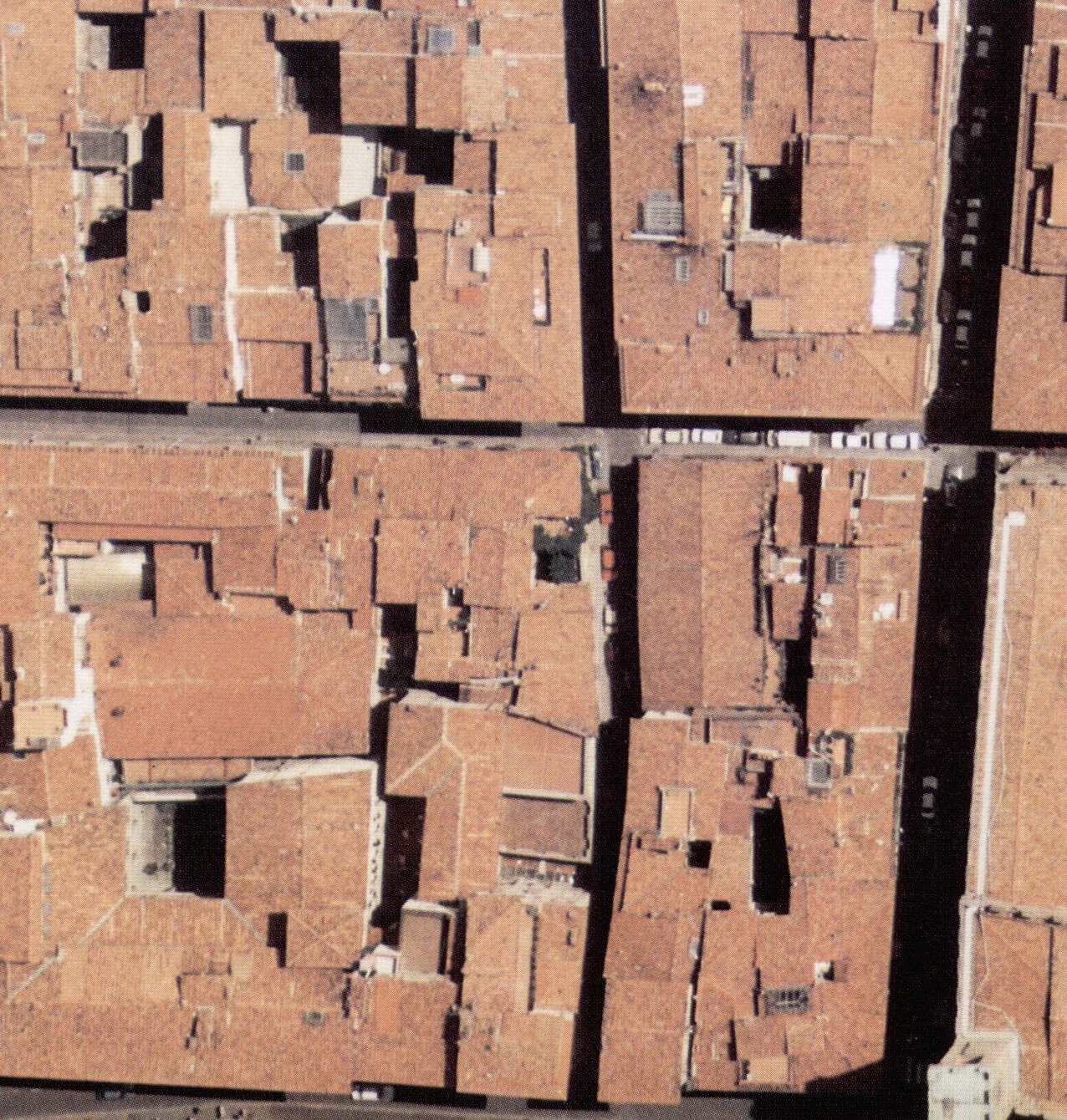
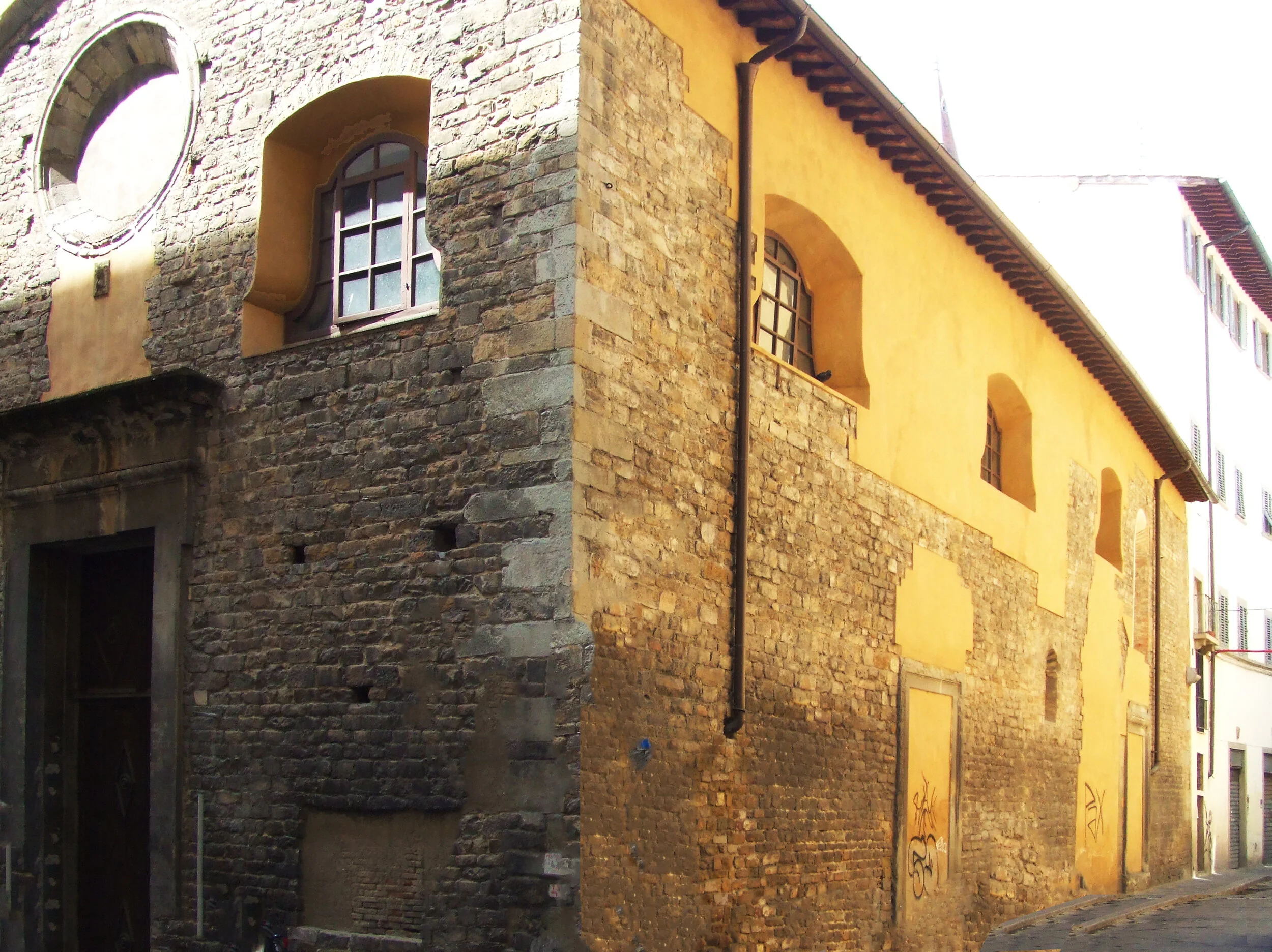
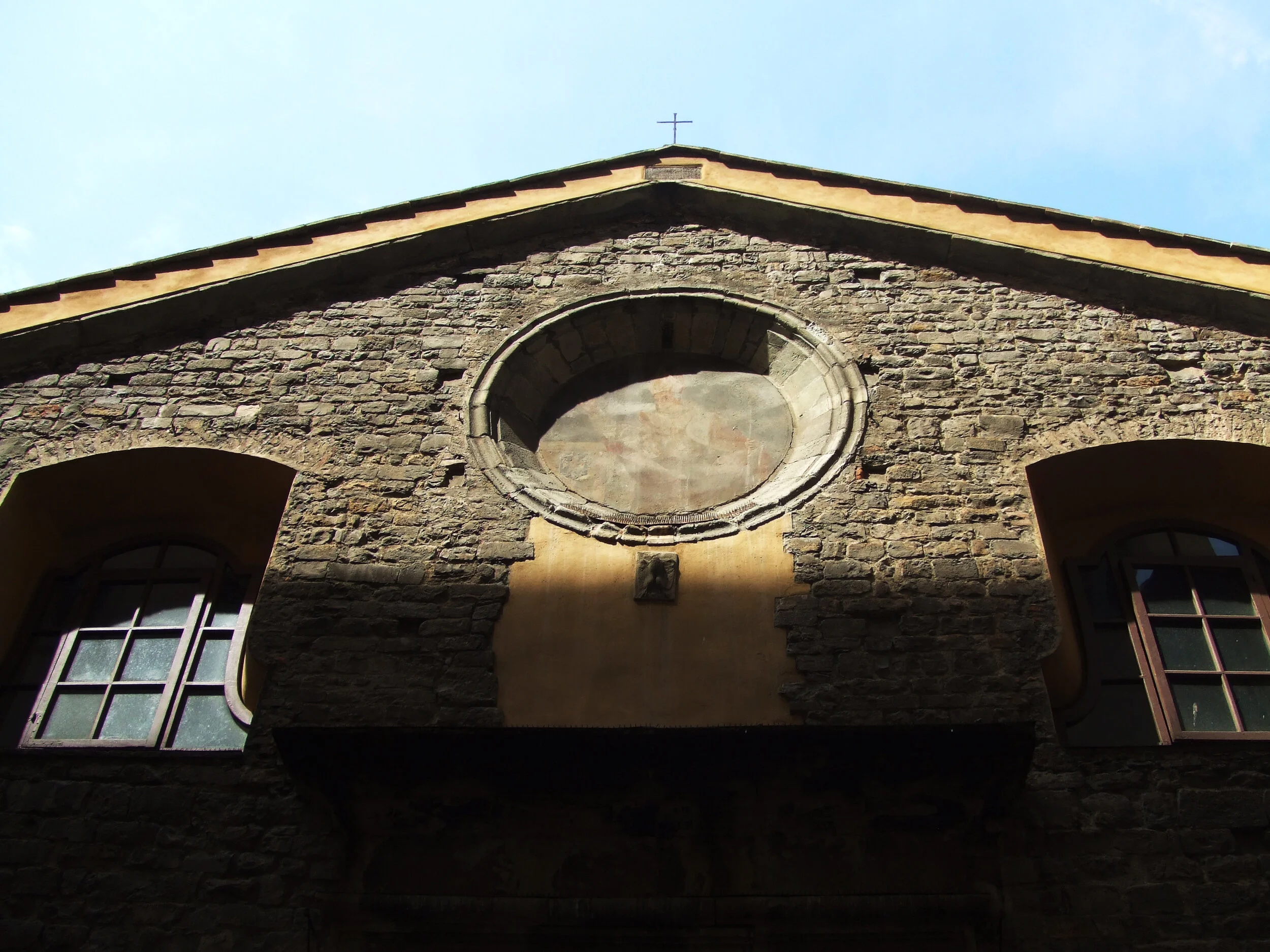
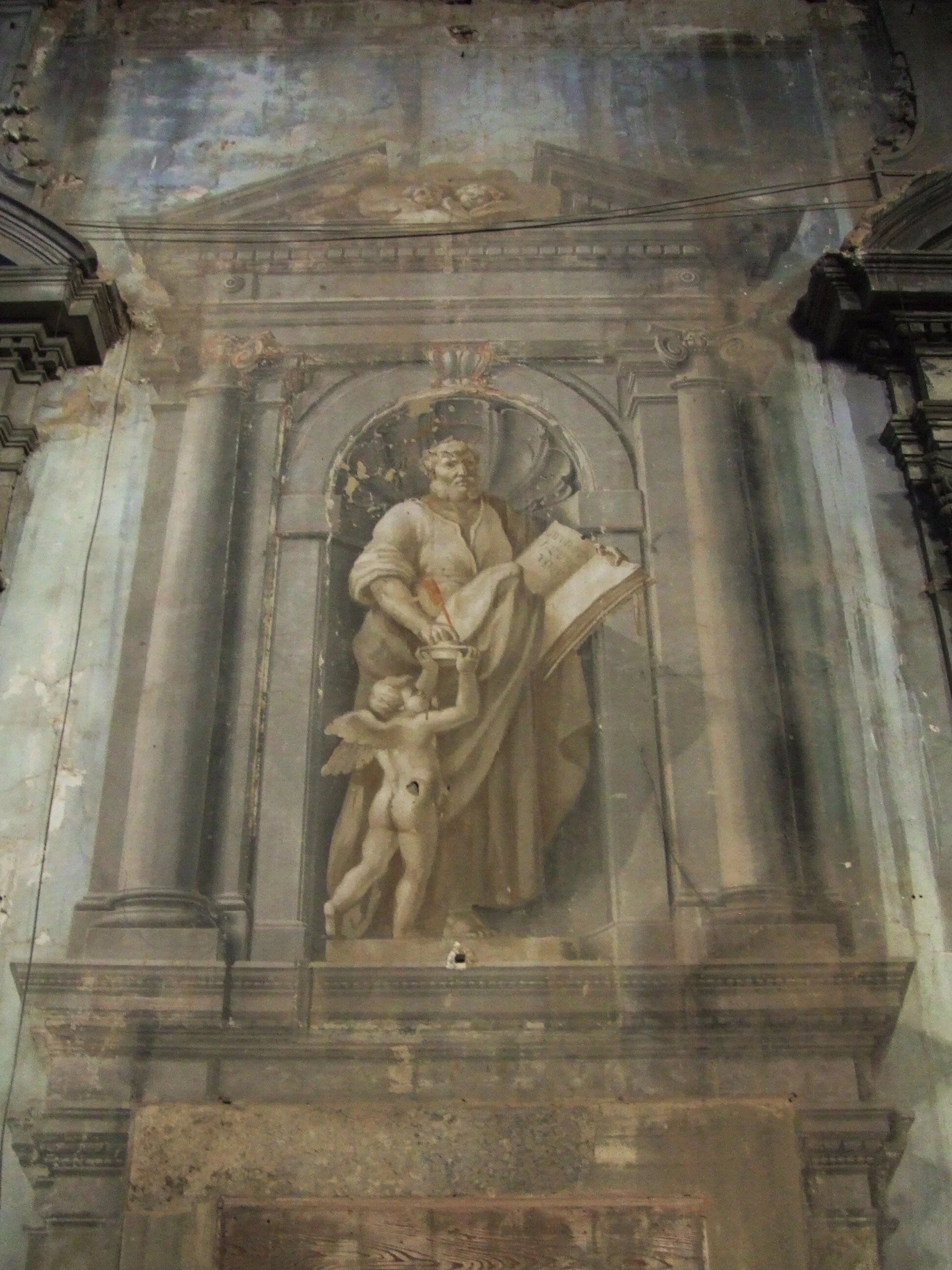
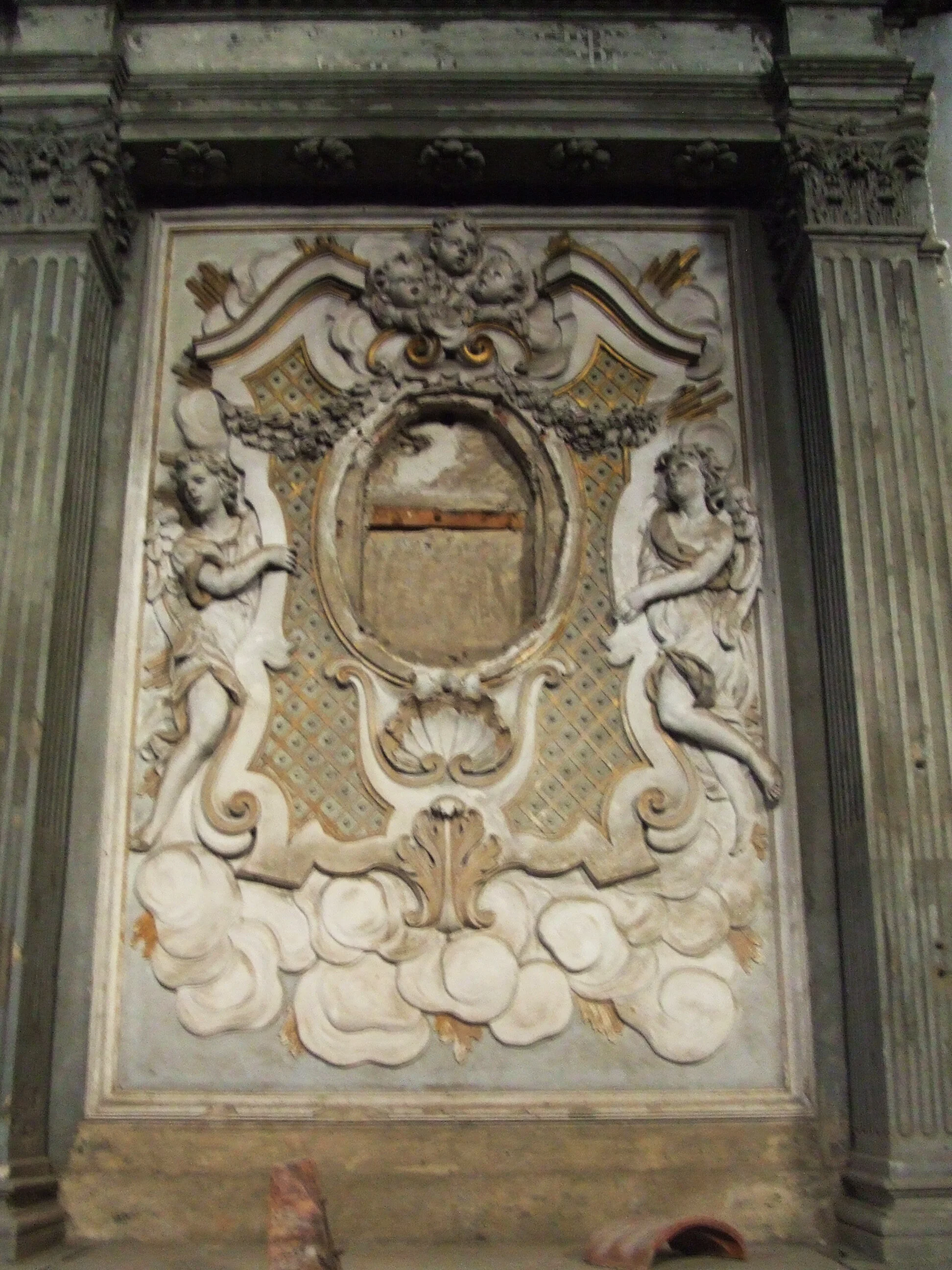
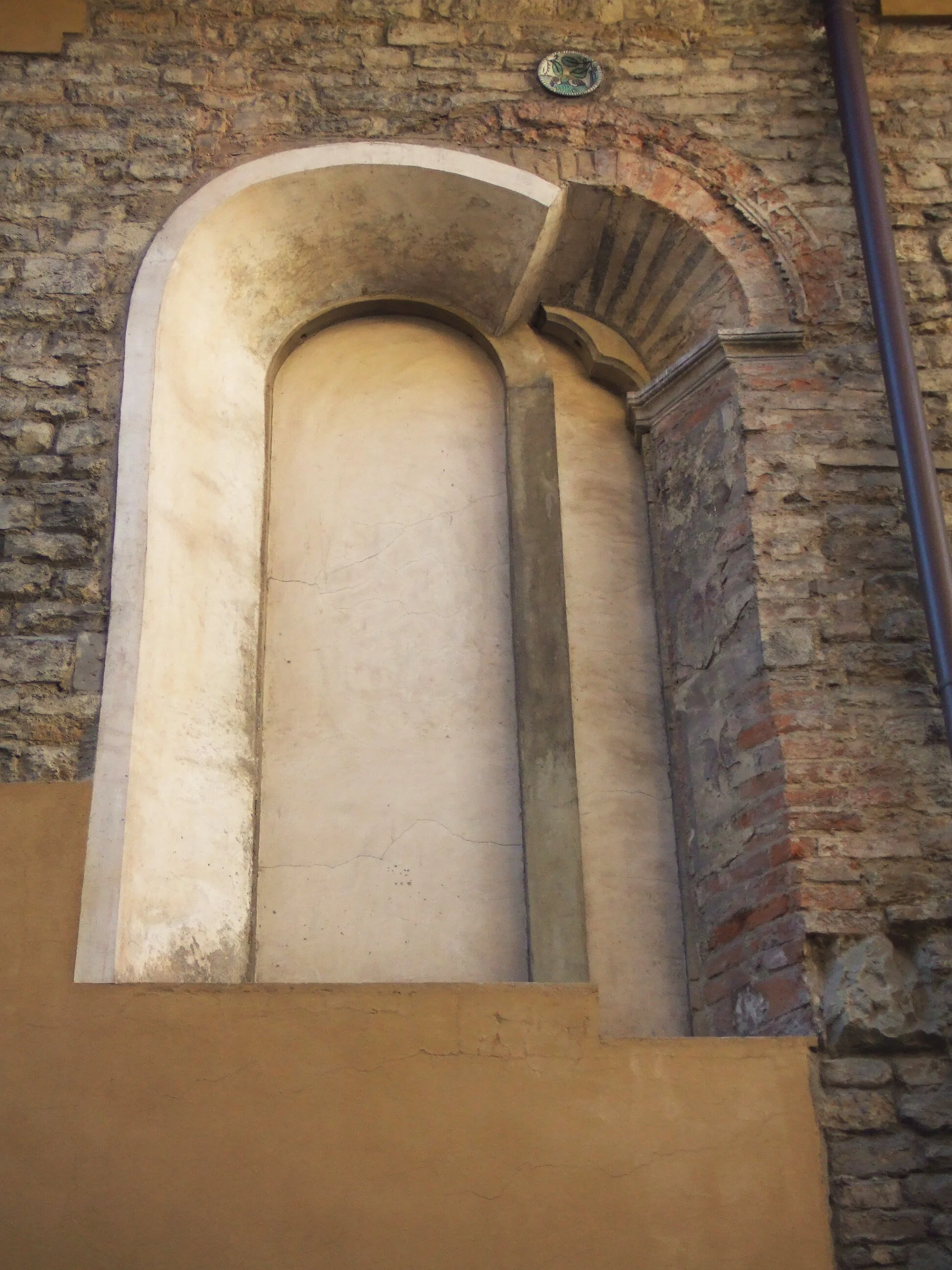
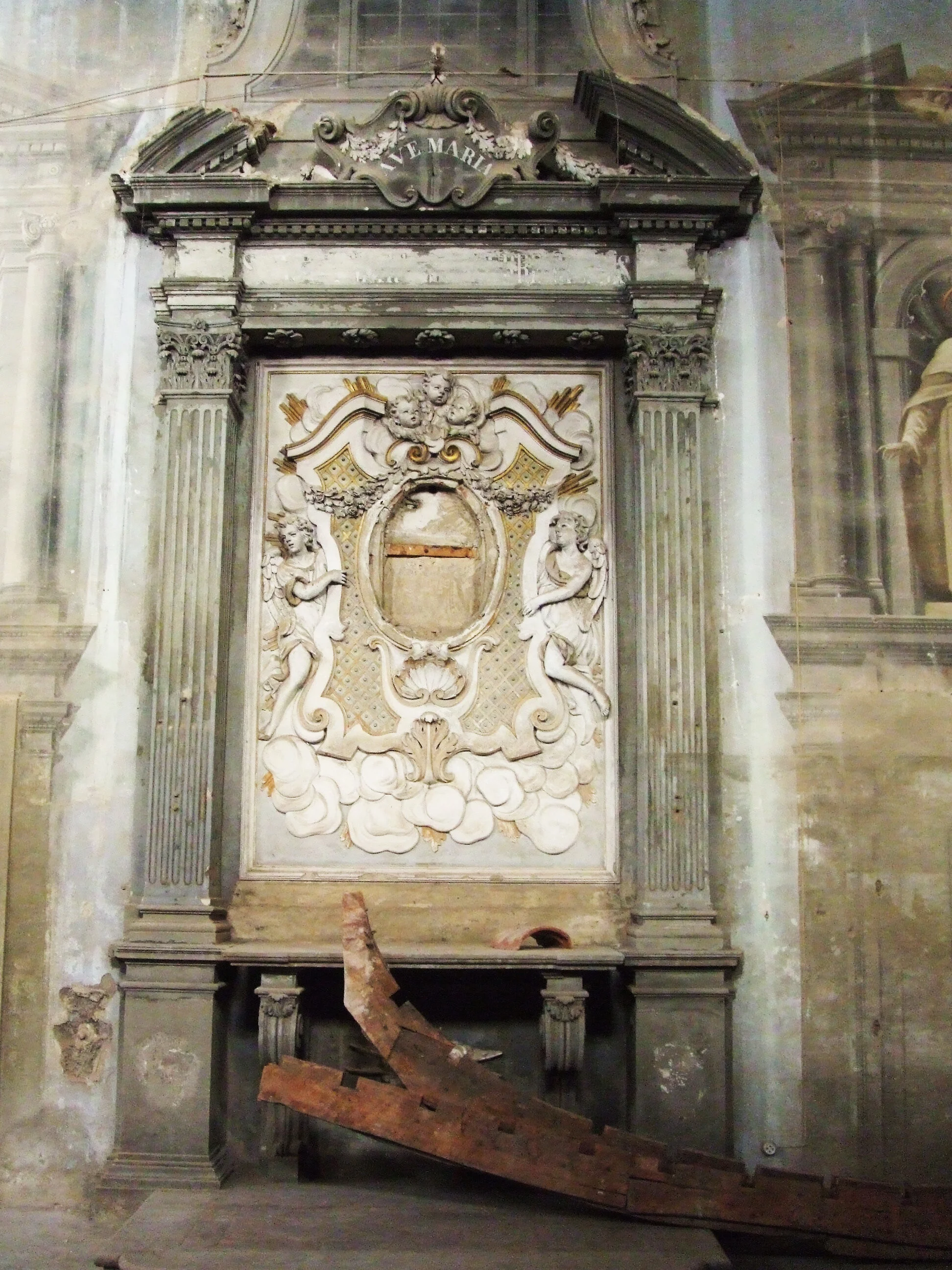
San Procolo @ Firenze
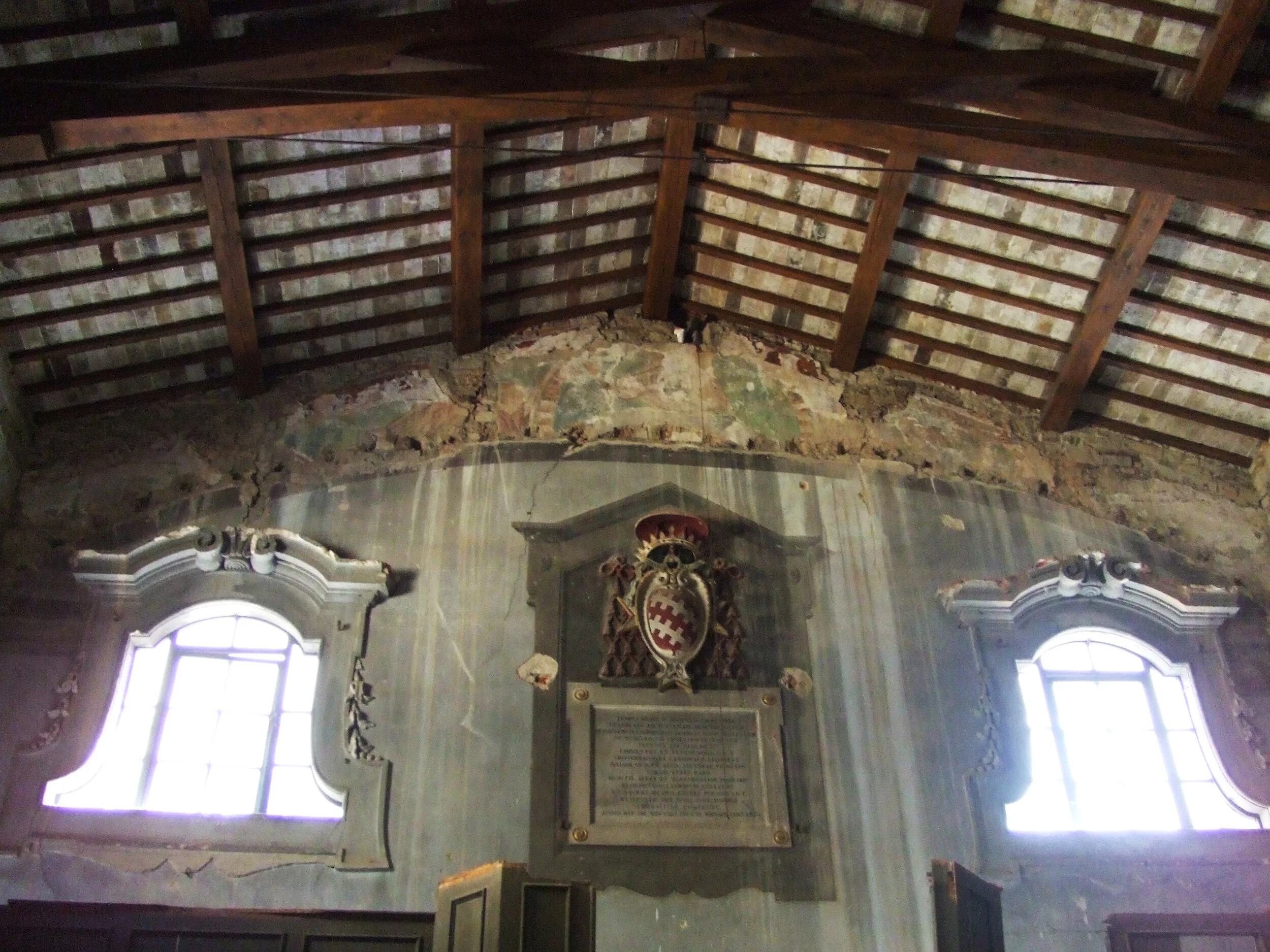
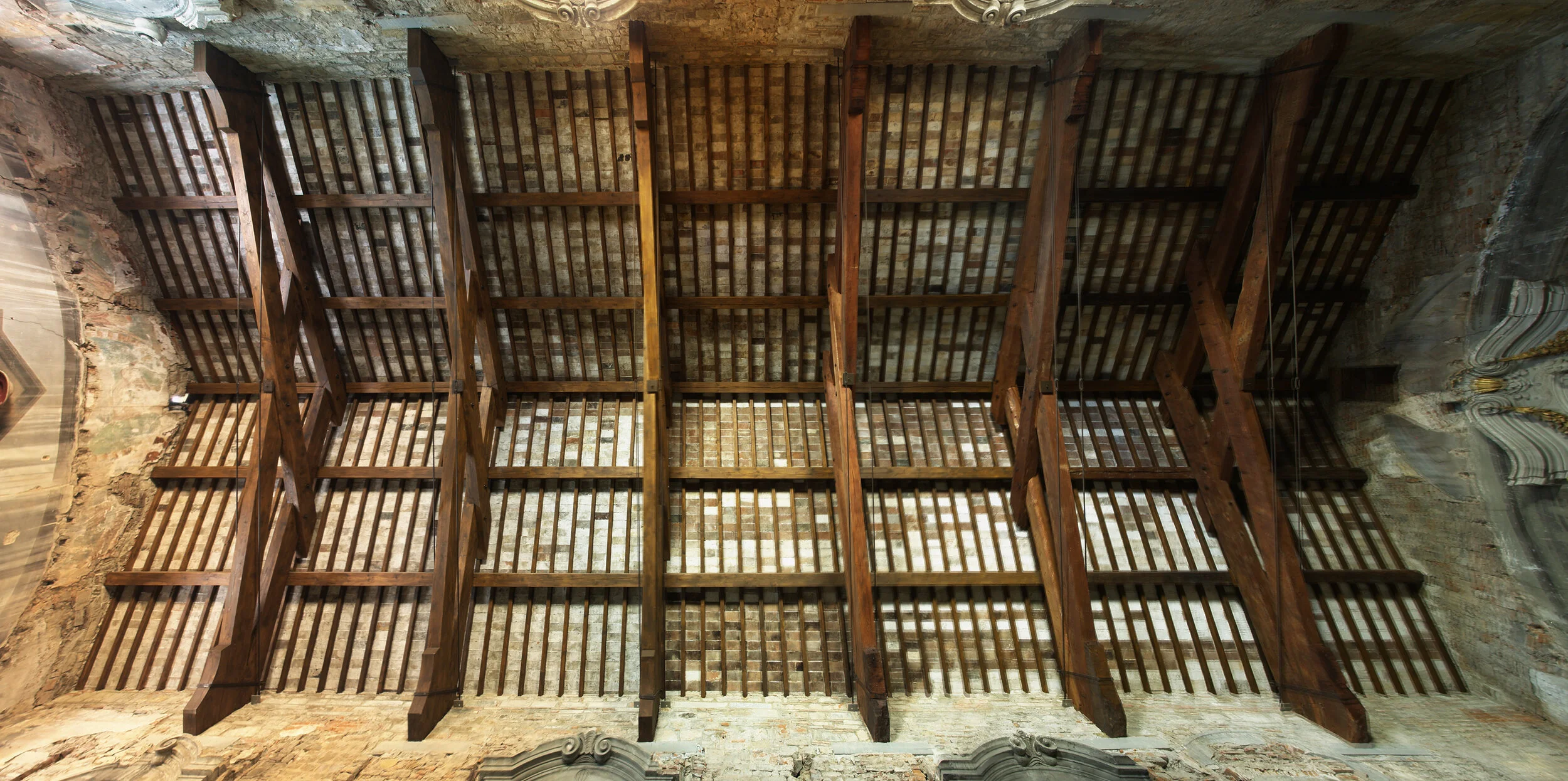
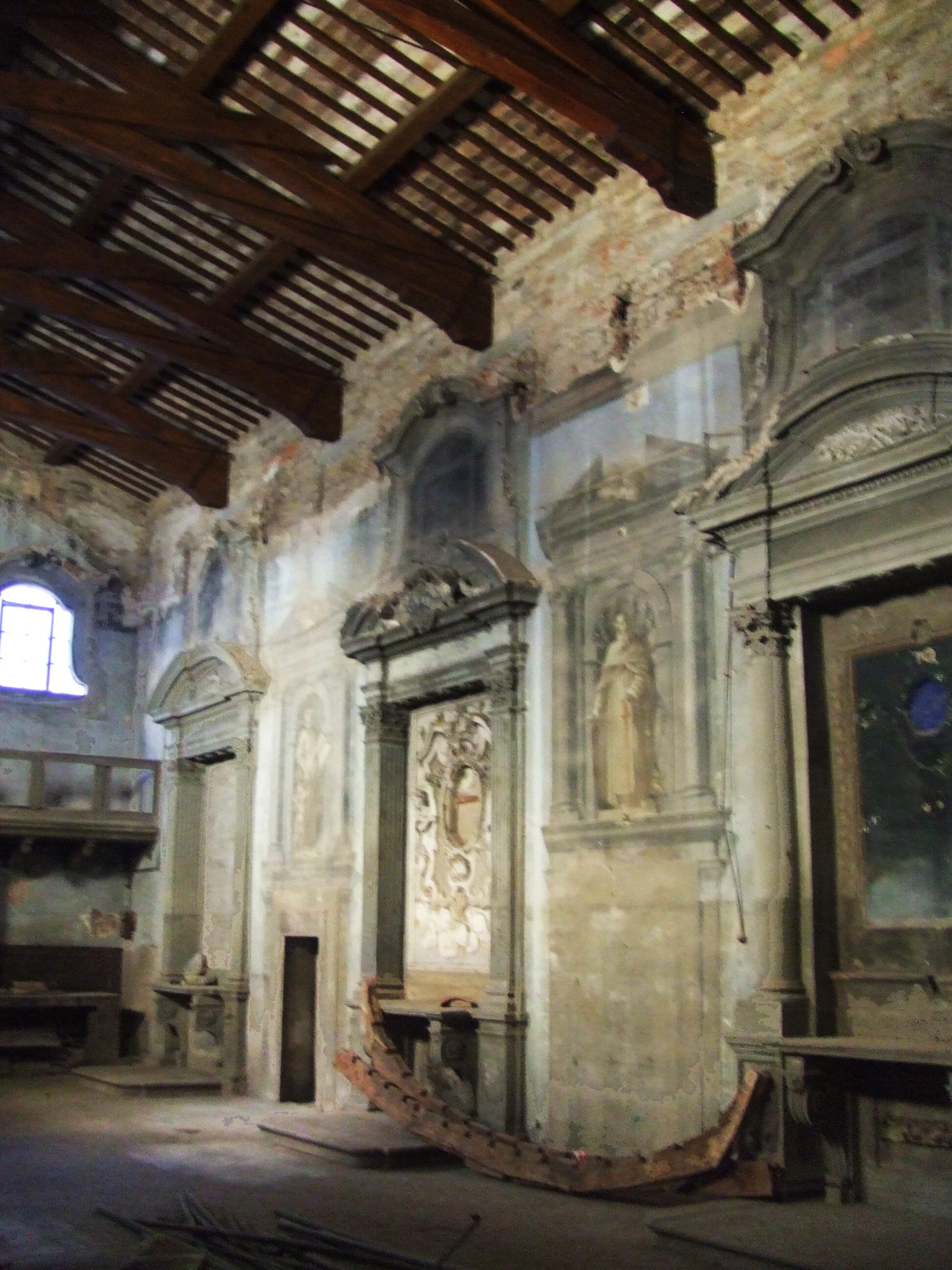
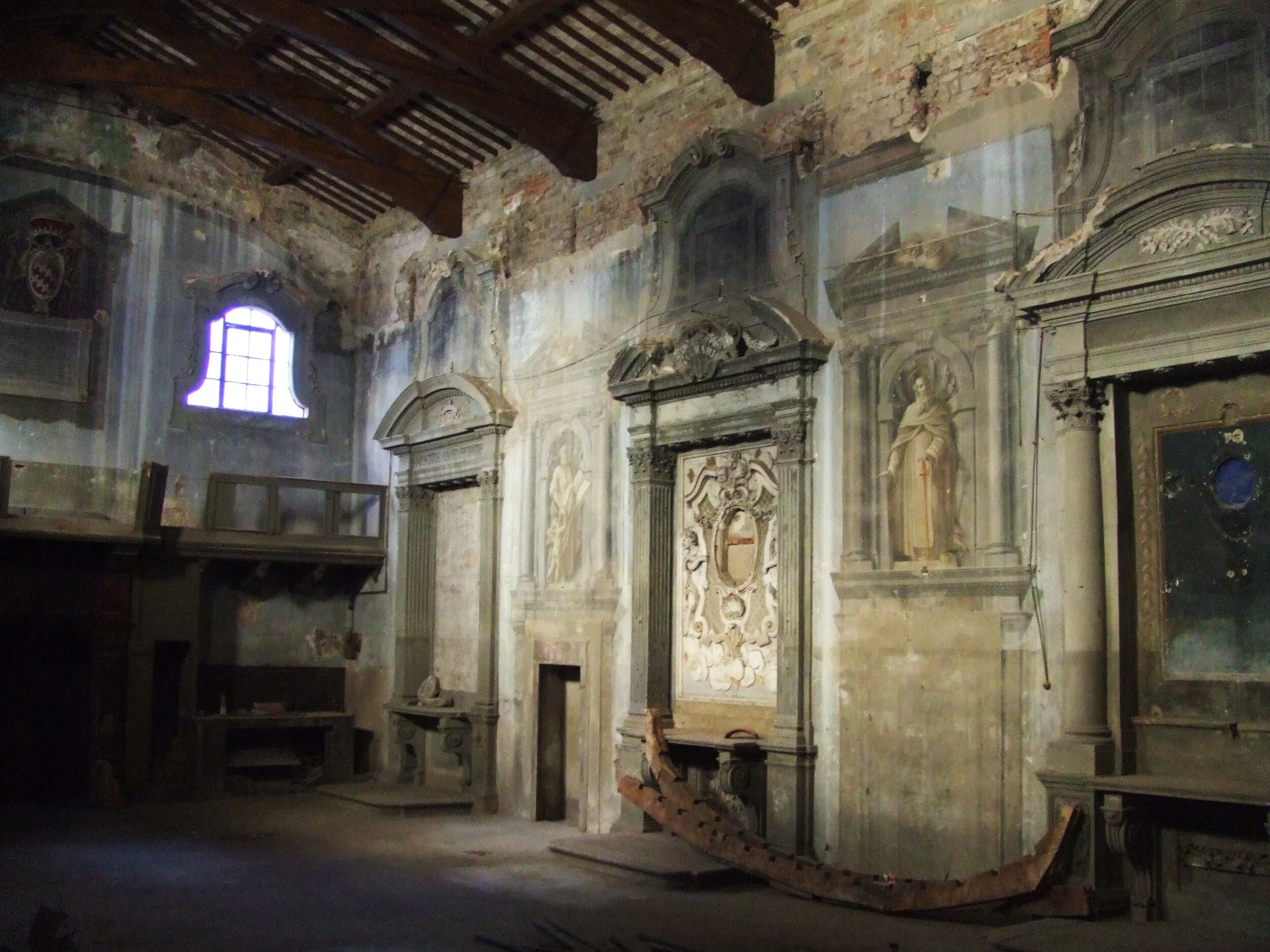
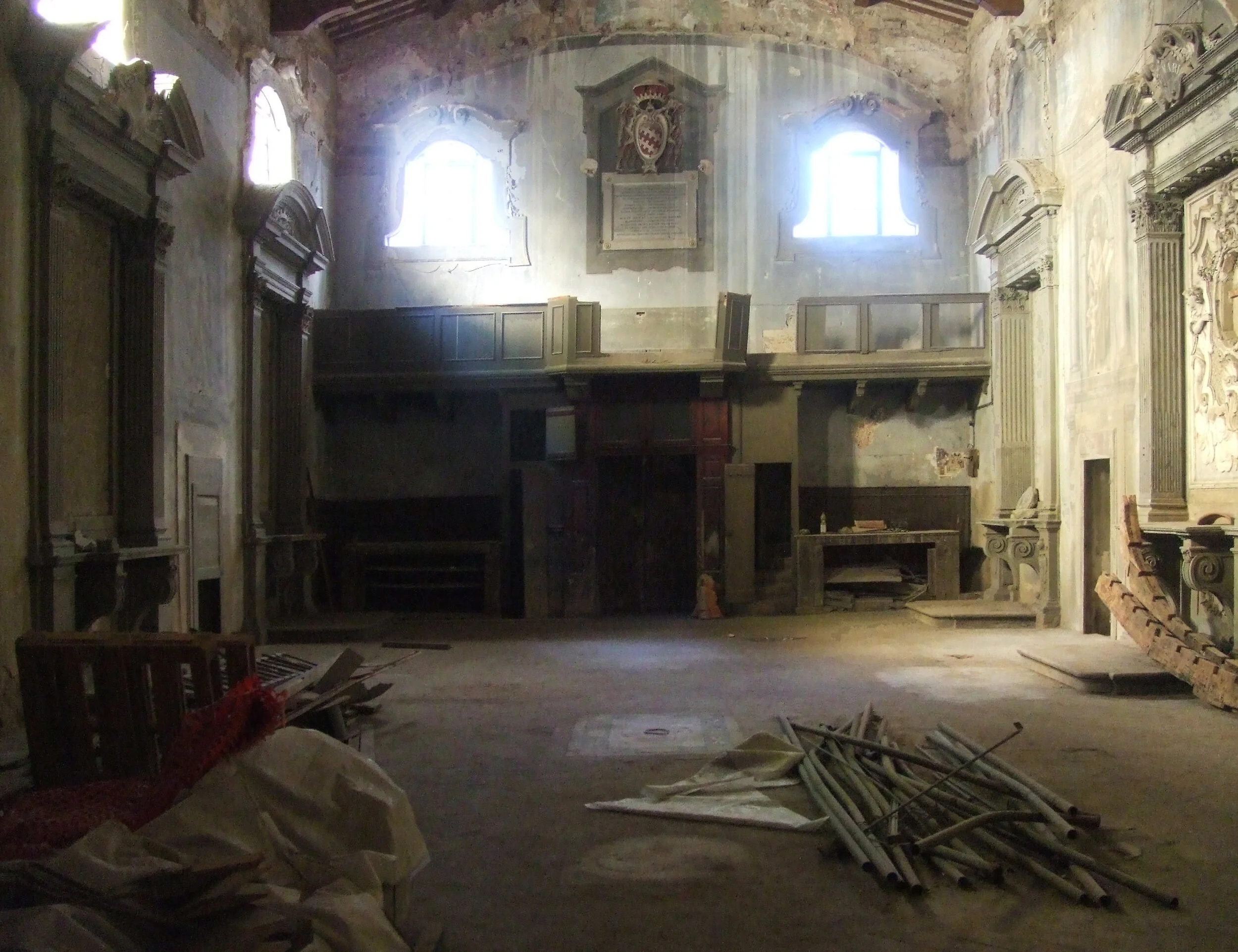
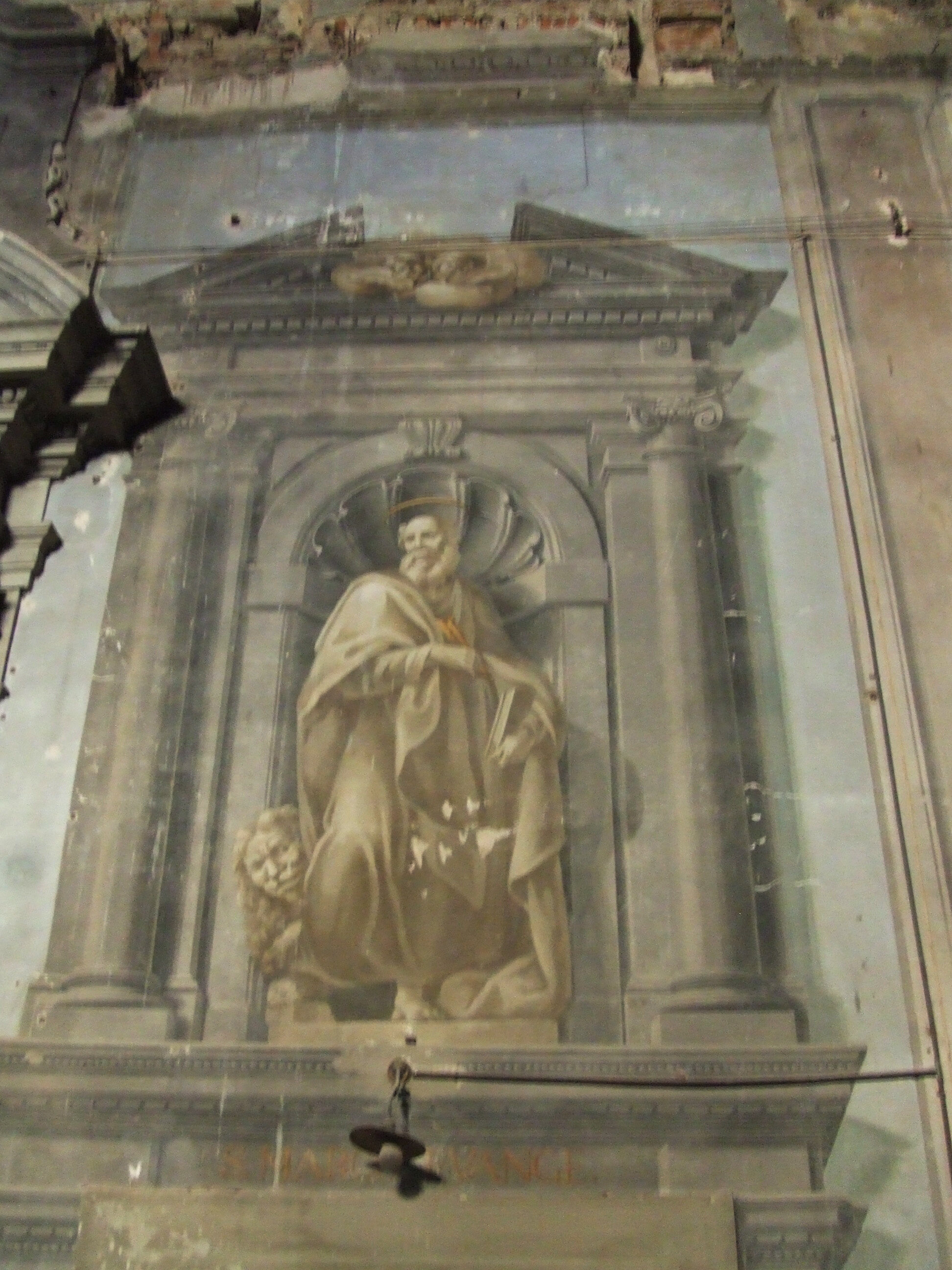
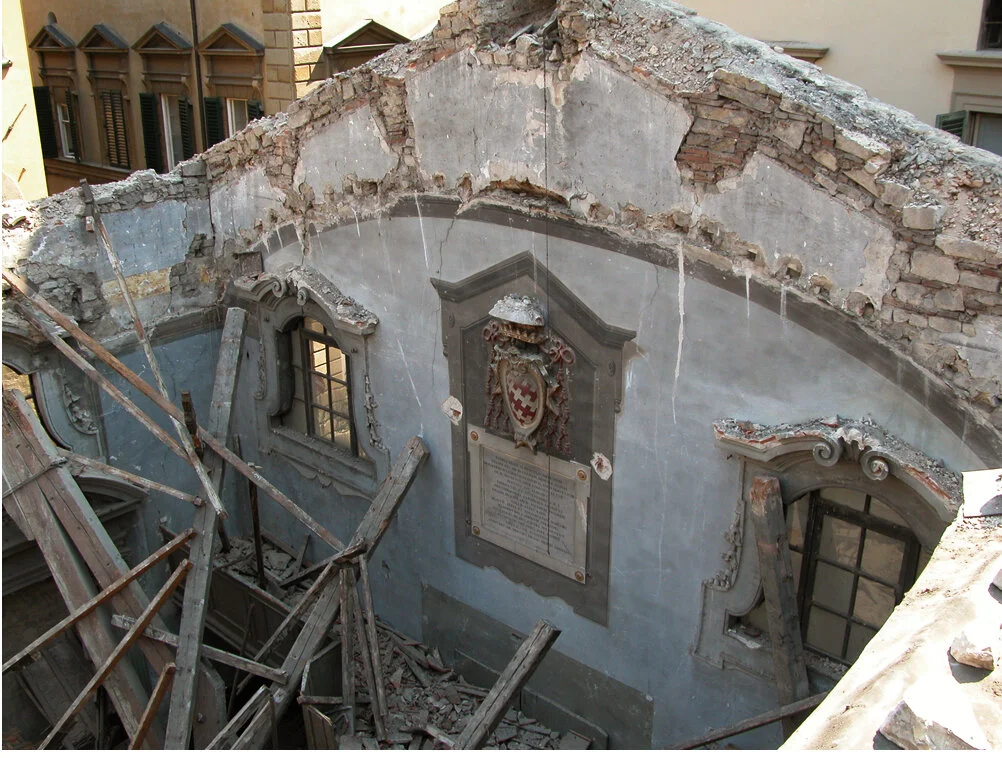
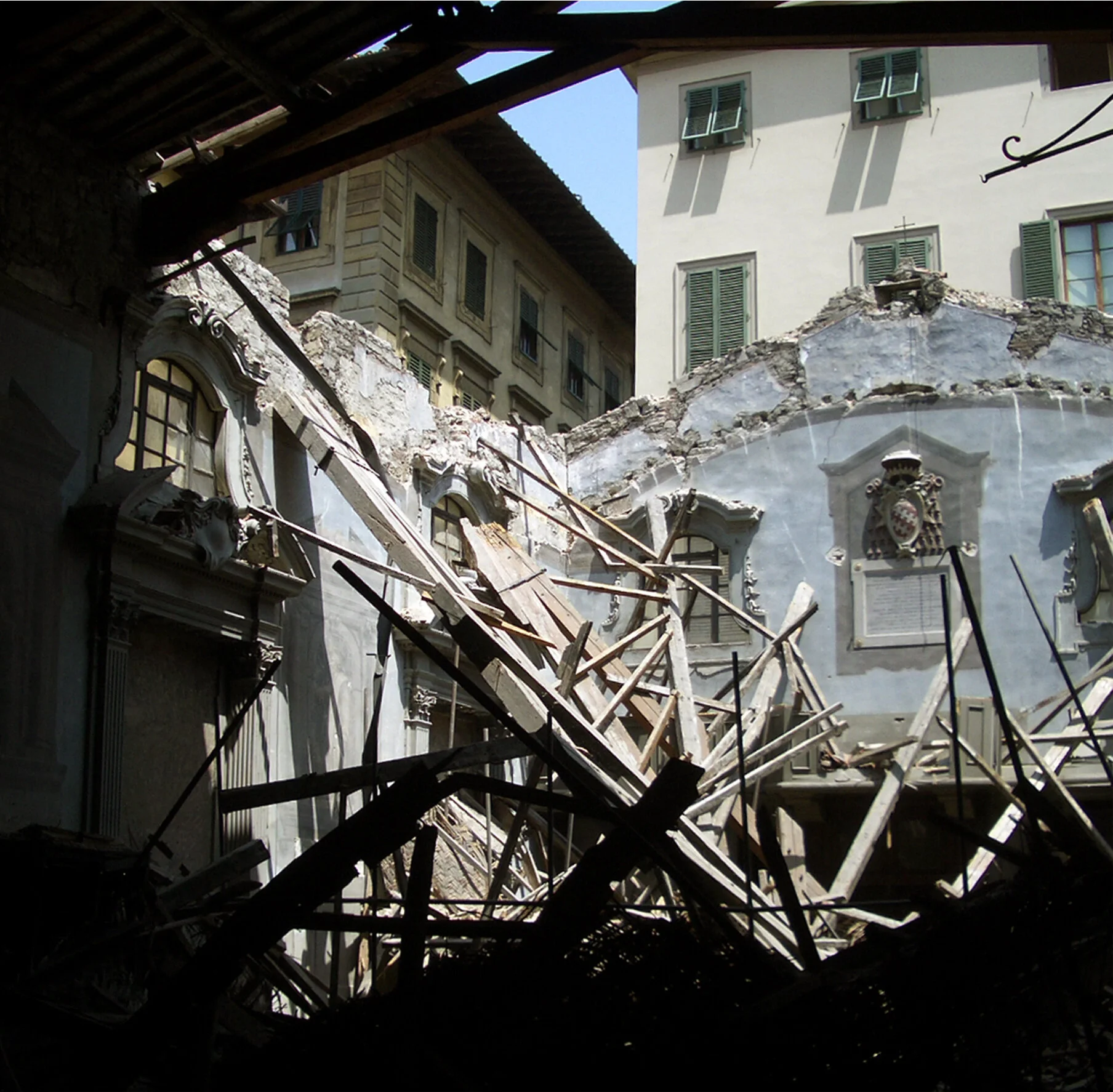
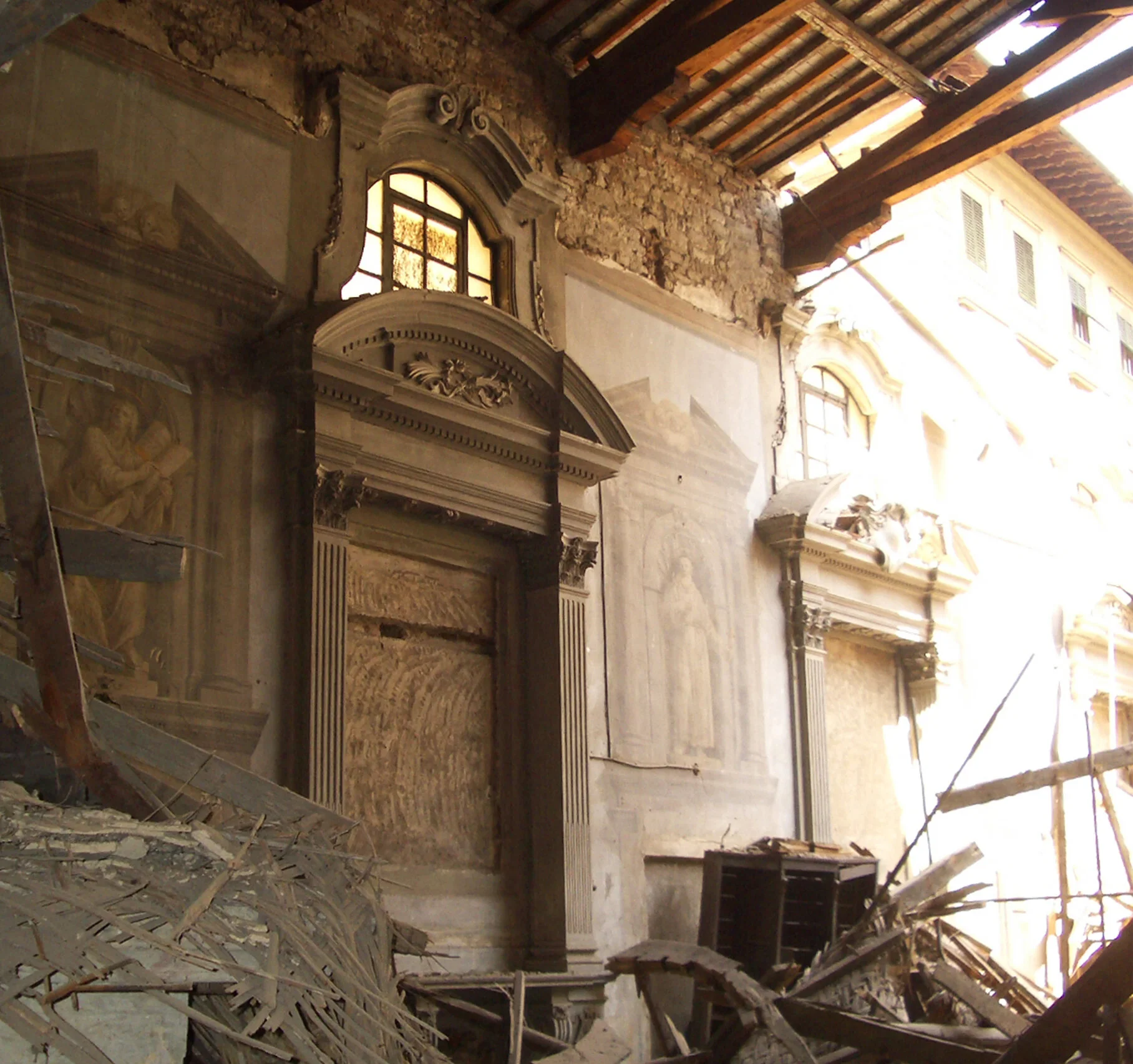
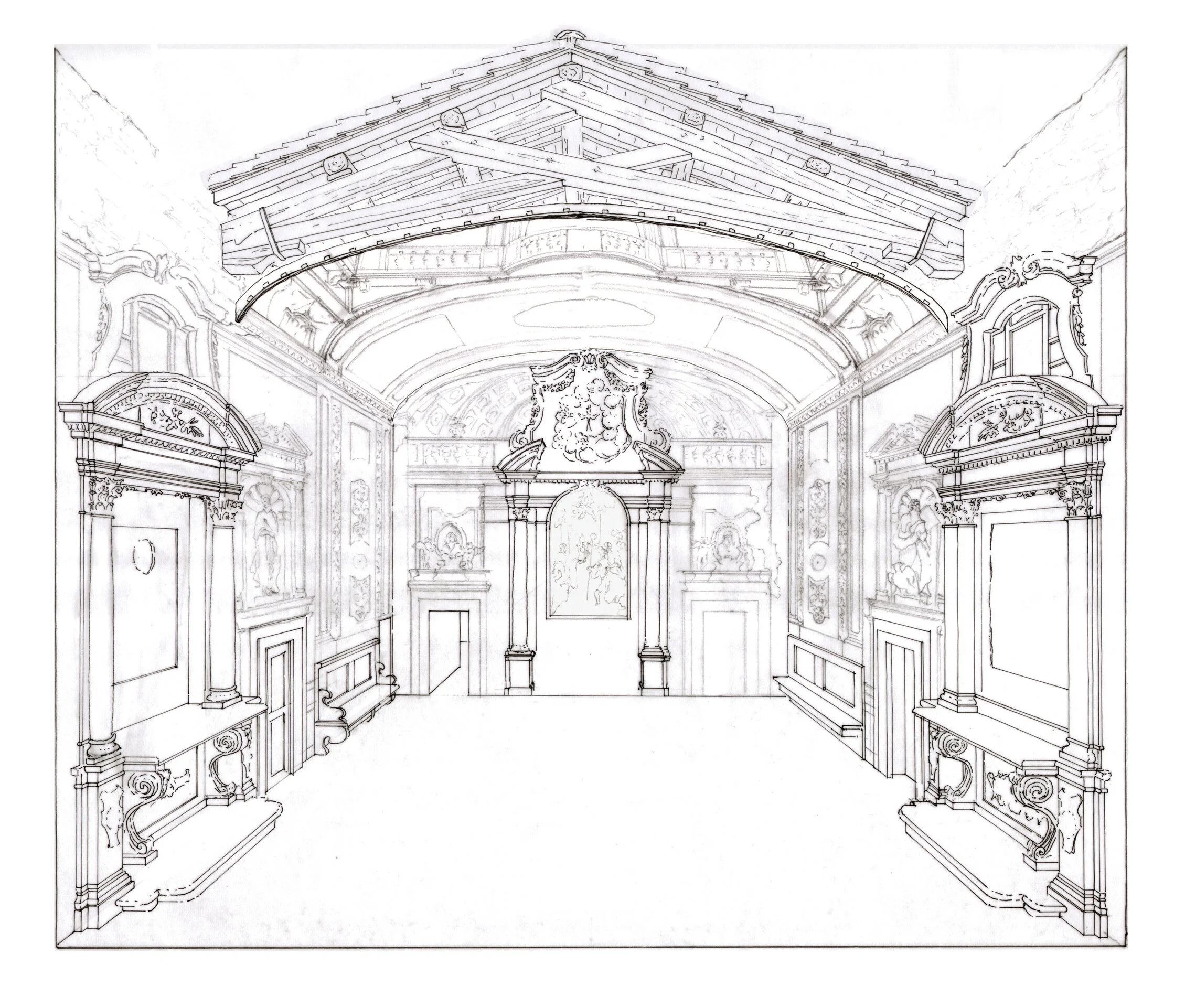
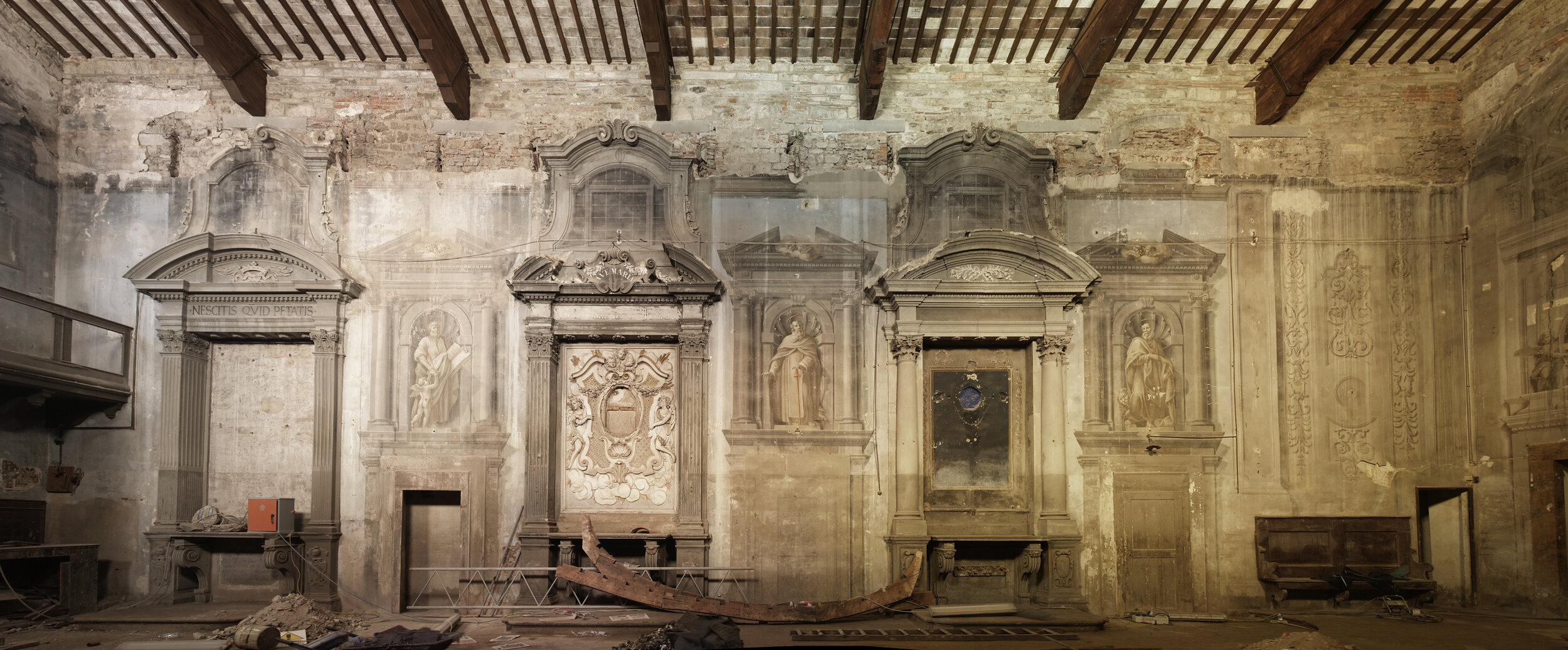
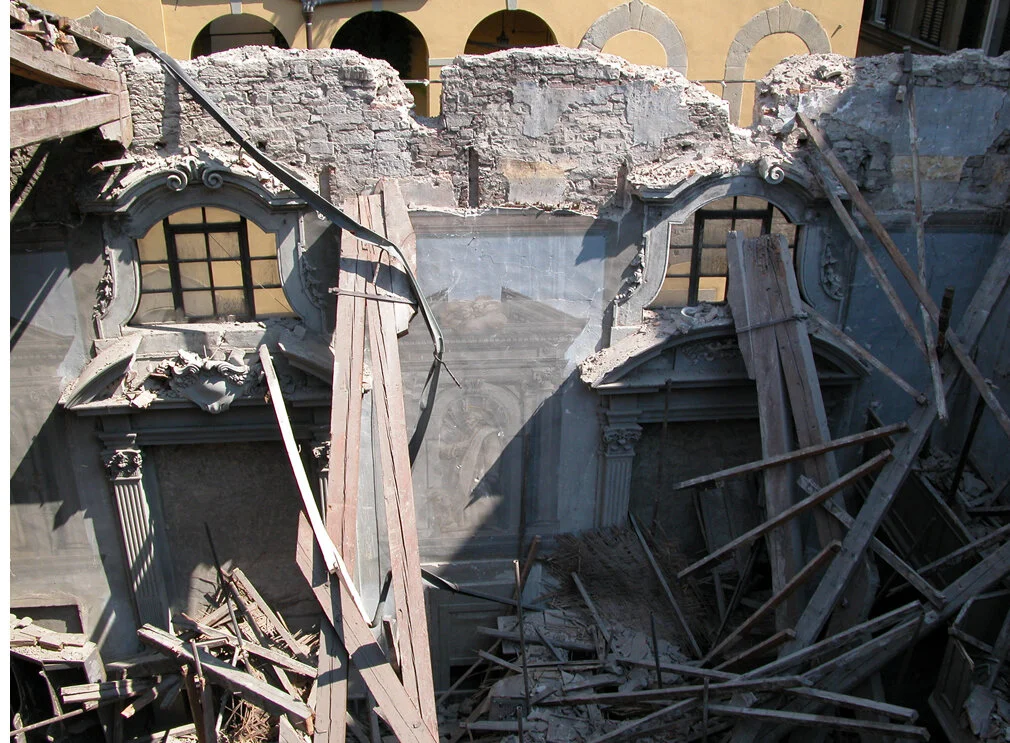
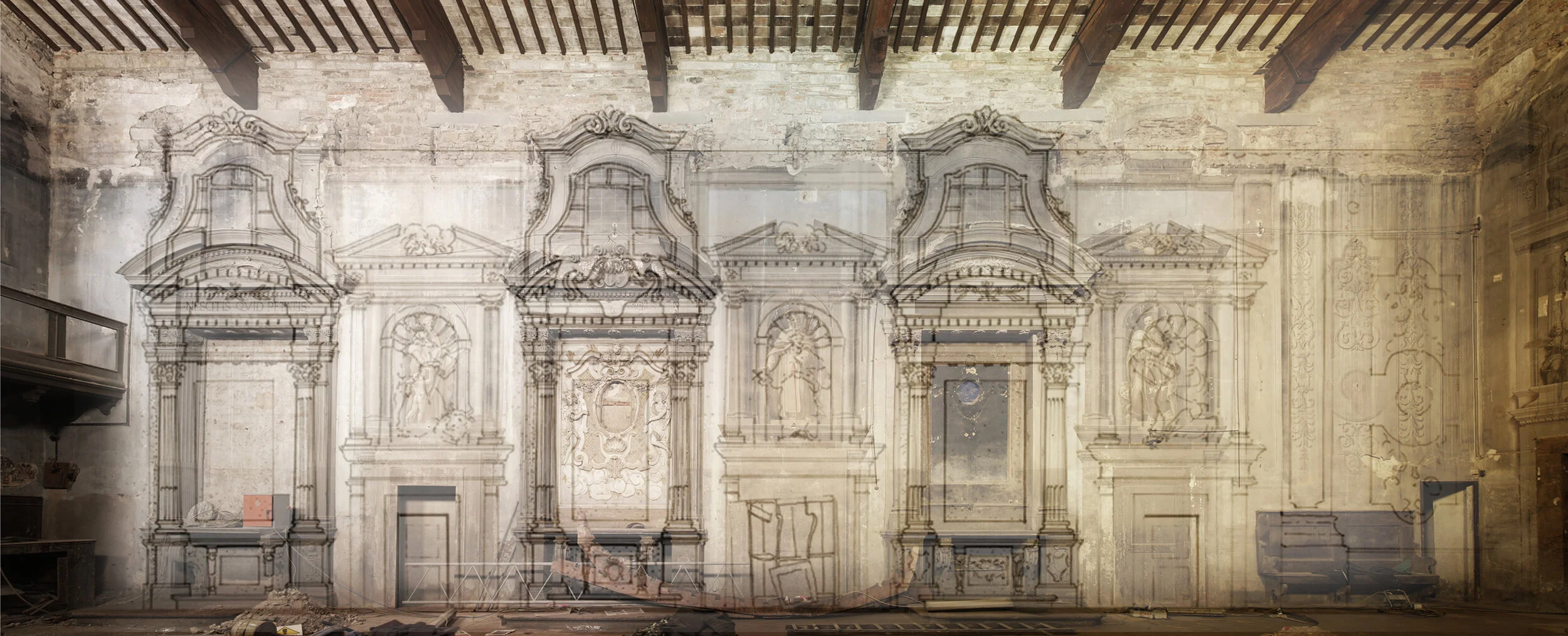
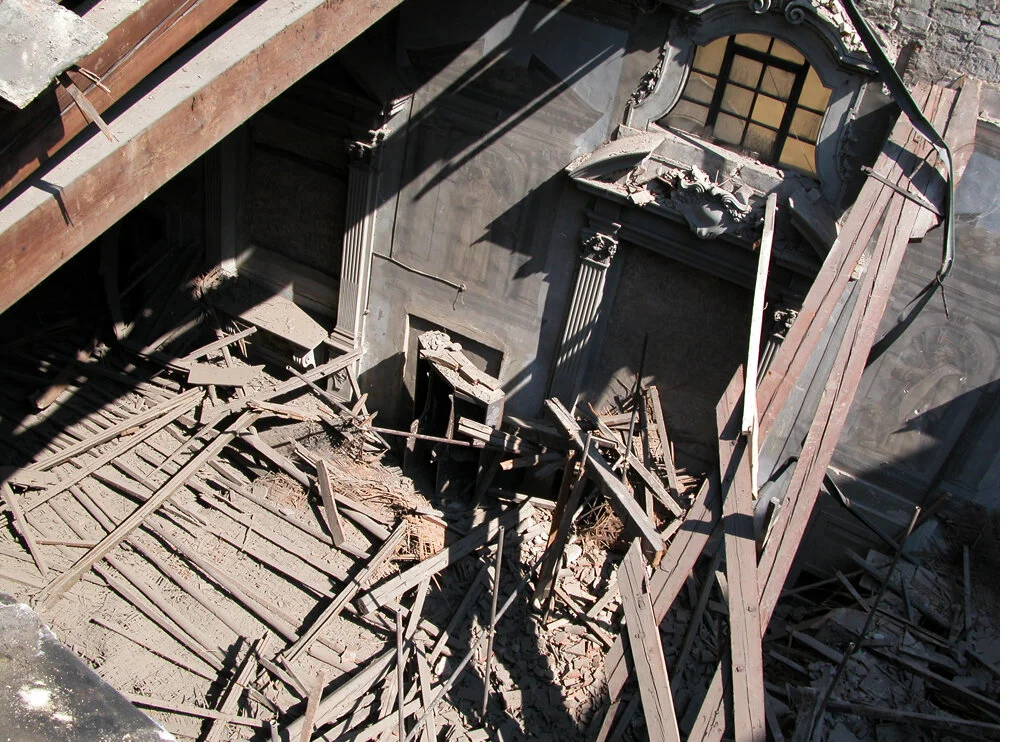
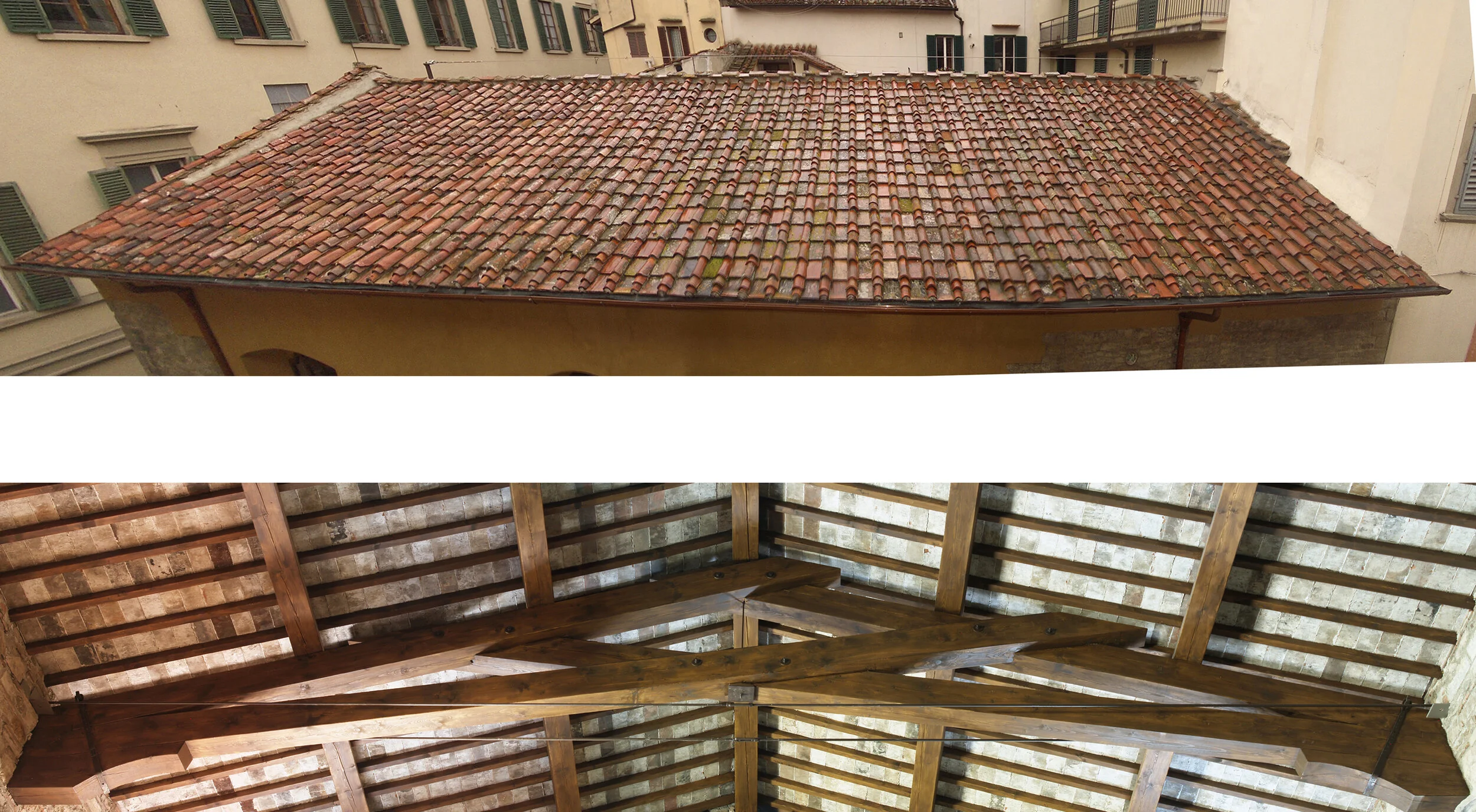
A chance meeting one Sunday morning over coffee at my local Italian Delicatessen with an Italian journalist friend persuaded me that her collapsed ceiling should be inspected. She would always speak in Italian and I in English. When I discovered that the problem was in Italy and not in her London kitchen I realised that my Italian was more than a little jaded. We journeyed together to Florence and arrived at San Procolo. I discovered that it was a 10th Century church, donated in 1064 to the Benedictine monks & later remodelled in the Renaissance period and that the original Roman roof had collapsed inwards. The “church” had been deconsecrated in the 18th Century and was privately owned by the Salviati family and later the family of Salviati Centurian Scotto. Some of the more valuable artifacts and paintings had been rescued from the rubble. Later that night we sat around the fire and marvelled at a beautiful painting that we were certain was by either Fillipino Lippi or Ghirlandaio (though we had to move the dog first who slept against it)
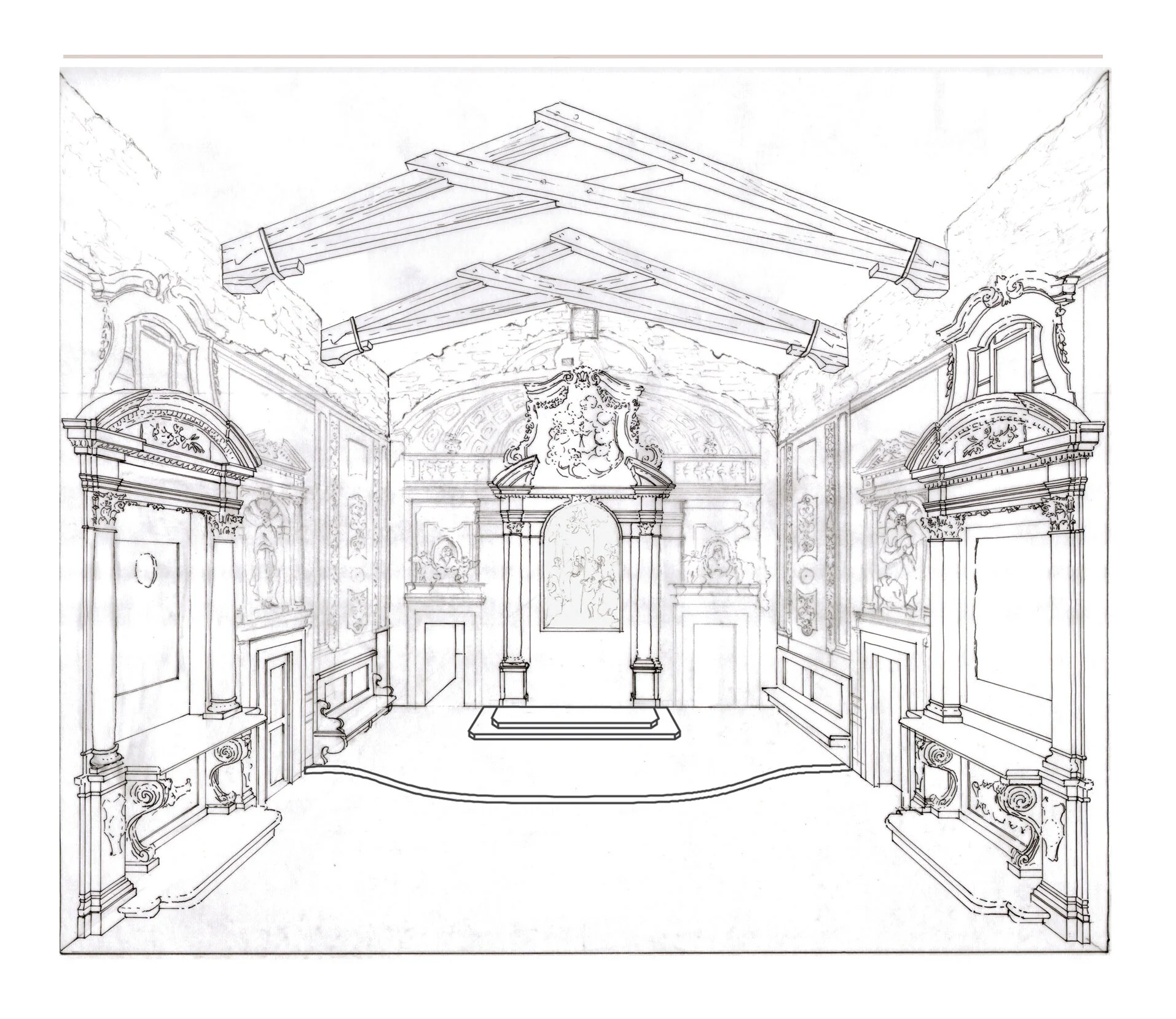
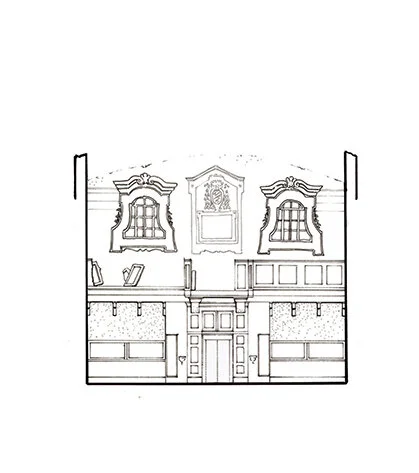
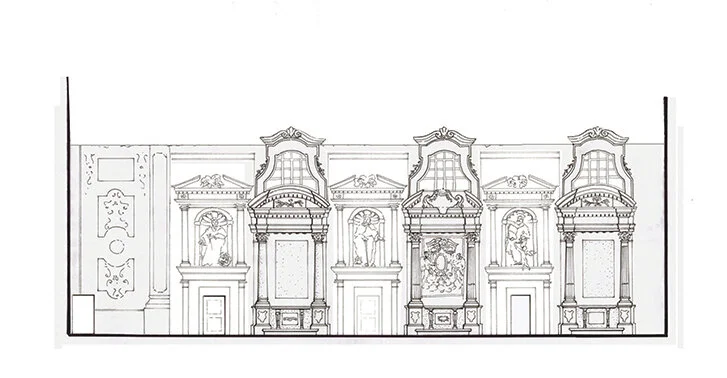
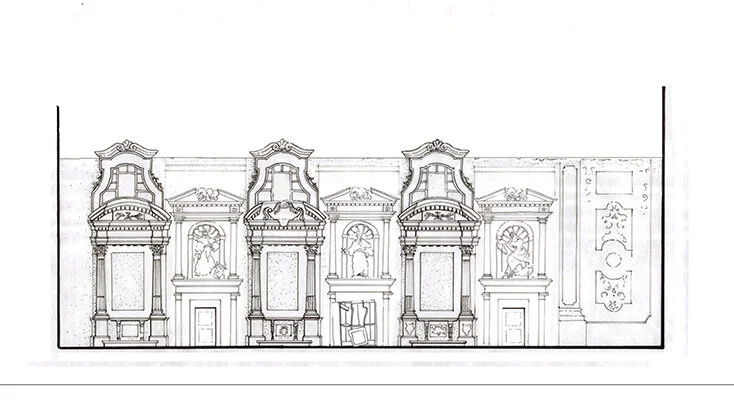
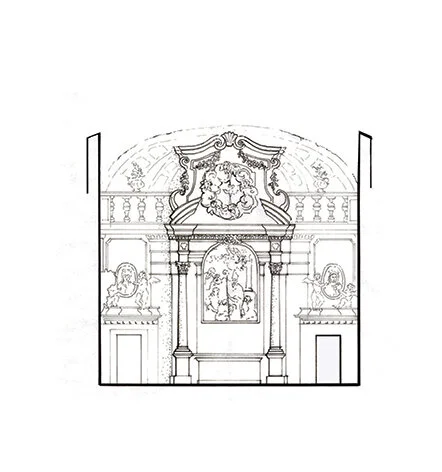
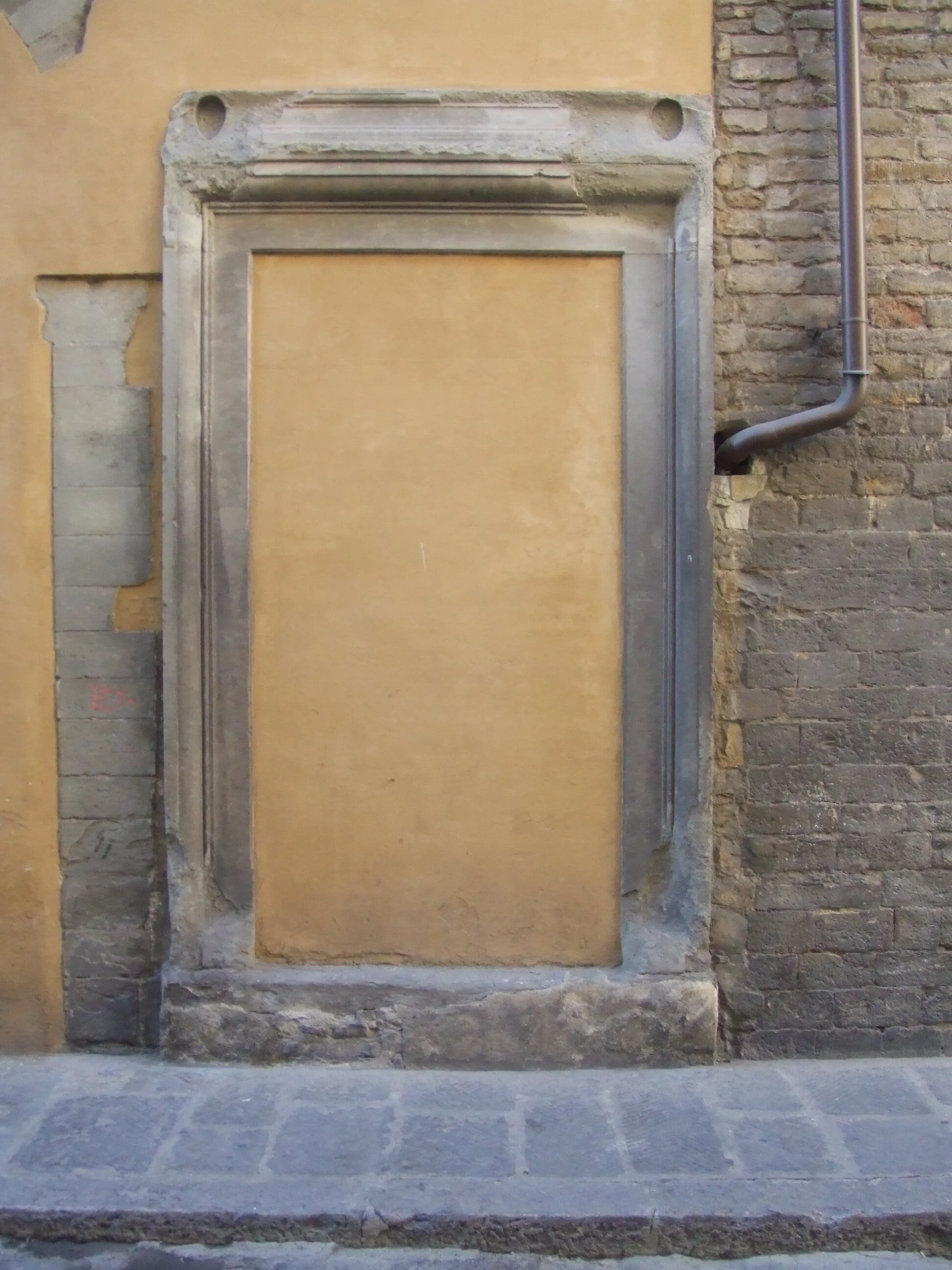
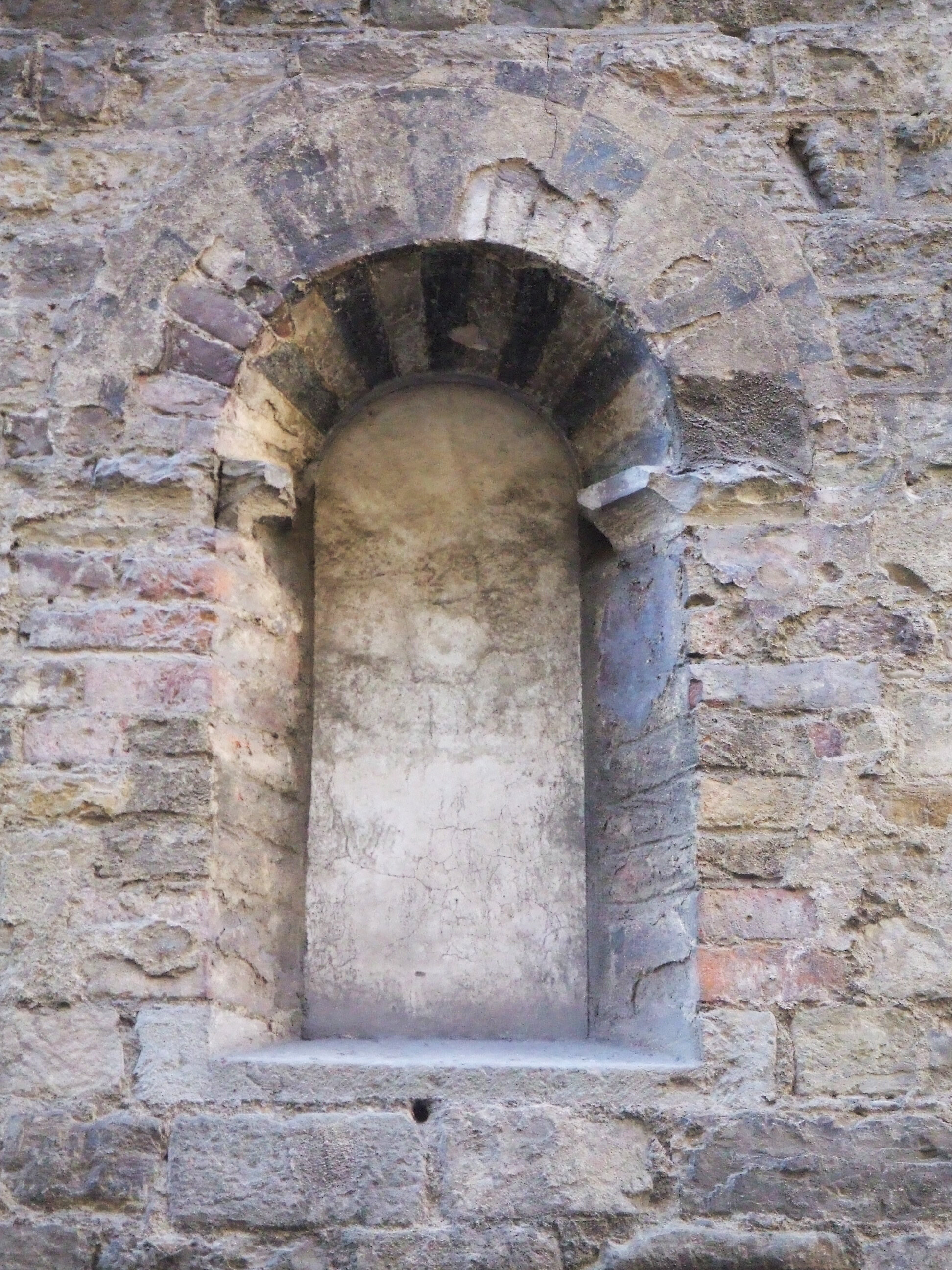
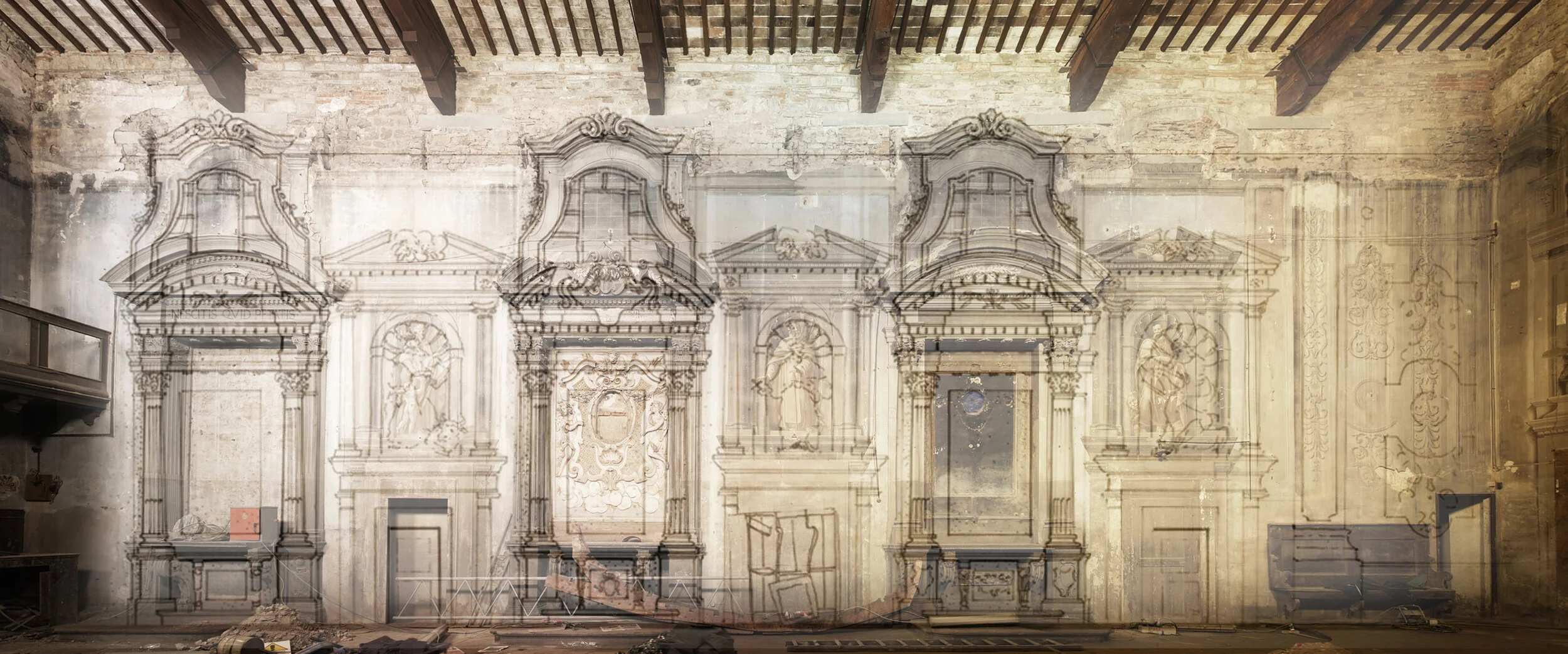
I had already met the lovely, elderly Architect, Simonetta Bracciali, from my earlier visits to Italy when I had converted the former Olive press and Sienese tower into residences. She and her team had worked on the restoration of Alberti’s Palazzo Rucellai and were doing an excellent job on the roof with the Engineers. Our designs were going to attract attention so we needed a wise old owl who was fierce with the Mayor’s office, the Arte and Consiglio Comune of Firenze. Our design involved taking up the floor of the old church, removing the bones from the graves to an Ossuary so that they could be identified and recorded, removing the remnants of the tessellated floor and digging out the basement to provide a café and library with public facilities below. We wanted to introduce a glass floor with open plan volume to the ground floor so that the beauty of the “empty church” could be experienced from below. The restoration of the old curved Renaissance ceiling with it’s beautiful frescoes was already being planned and hundreds of rubble sacks were being labelled containing the fragments of stucco and mouldings. At the centre would be a glass and steel framed “box” enclosure to house antiquities and rare books. This would rise up out of the floor each day and recede at night or for special occasions. When in the elevated position vistors could inspect the gravestones, tombs and antiquities that “slept” with their dignitary “guards” each night. The small original side door to the church had been blocked up and we proposed opening this to distribute food to the homeless as part of a zero food waste project.
The name Procolo means bread and in early times the monks would distribute a special bread to the poor.